

What could be as enjoyable as meeting up with friends? A joint pilates session with friends. It has a fantastic effect on your mood, shapes your figure, teaches mindful movement, motivates effort, and refreshes you.

Together with Iga Majewska, the initiator of Warsaw Pilates, we are organizing evening sunset pilates sessions for you all summer long. Besides being a huge fan of pilates and usually found on a mat or reformer after work, Iga is also an instructor and loves to share her knowledge about the history and principles of this method. She wrote for us about what pilates is and what it can teach us.
What are the benefits of pilates? - The advantages of doing the exercises!
A system of exercises devised in the middle of the last century still keeps many stars and athletes in great shape today. Pilates is practiced by Miley Cyrus, Adele, Kendall Jenner, and Madonna, as well as Andy Murray, LeBron James, and Cristiano Ronaldo, among others. What is it about pilates that seduces models, pop stars, and muscular tough guys? Here are 7 reasons why you can fall in love with this form of movement.
1. Strengthening from head to toe
Is pilates just stretching? Rehab exercises with large balls? Not quite. Pilates is a system of exercises whose main goal is to strengthen the core muscles – those that keep us upright when we stand or walk, i.e., the abdominal and back muscles, as well as the glutes and thighs. In pilates, the whole body works – starting from the feet, which are the foundation for correct movement patterns, ending at the top of the head, which is meant to pull us toward the ceiling during exercises. Legend has it that the pilates ab series is the toughest and most effective abdominal workout you can do. It works the obliques, lower and upper abs, and after just a few repetitions, you can feel a pleasant warmth in your belly.
2. Details count
In pilates, it is the quality of movement that counts, not the quantity. You will feel this not only during the ab series but also while doing subtle exercises for the inner thighs and a series of kicks that strengthen the glutes. The positioning of the feet, pelvis, neck, and shoulders, and the tension of muscles we tend to forget about daily – these are the details the exercises invented by Joseph Pilates focus on. A pilates teacher talks a lot and constantly observes. They explain in detail the body positioning before the exercise, the movement you are to perform, and what you should feel while doing seemingly simple tasks. They also talk about how to refine your technique so that even after one lesson, you feel taller and lighter. The level of detail might be overwhelming at first, but over time, such descriptive explanations definitely help in training, and the body gives in to it. Moreover, the perfected details provide body control that can be used in any other discipline.

3. Here and now
When you focus on how to lift your leg using your abdominal muscles or look for spinal elongation during an exercise where your abs are burning – you simply have no time or room to think about the problems you faced at work today or what you plan to cook for dinner. A pilates lesson usually lasts about an hour – it is time solely for you and for working on your body in full focus. The system consists of dozens of exercises, each performed for only a few repetitions. Furthermore, there are smooth, almost dance-like transitions between exercises, so participants have no time for boredom or letting their minds drift away from mindful movement. Nevertheless, you will leave the lesson relaxed because pilates places great emphasis on breathing.
4. Proper breathing
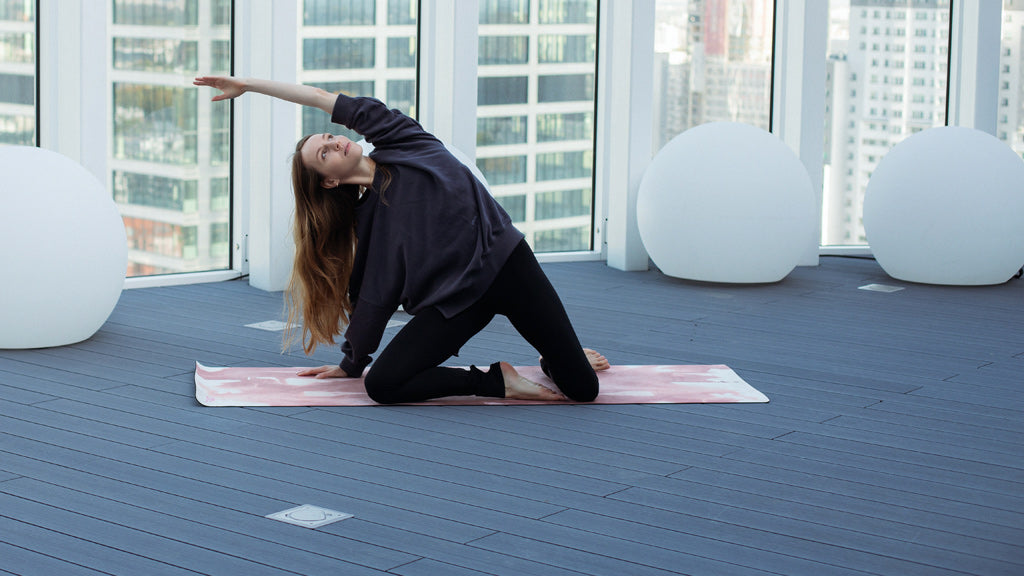
Looking at matwork pilates from the side, one might mistake it for yoga. Why? Because both are practiced barefoot on mats, and the teacher gives instructions regarding breathing. In pilates, we inhale through the nose and exhale through the mouth. It is important to exhale completely while tightening the abdominal muscles, which help squeeze the air out of the lungs. After such a full exhale, a proper inhale comes more naturally. The breath is directed to the sides and back of the ribs, ensuring the front ribs do not flare out or forward but remain closed. Additionally, most exercises in the system have their own breathing cues, which connect to the movement being performed so that it is as effective as possible. Too much information about breathing for a first class? No problem! A good pilates teacher will initially tell you to breathe naturally, and playing with breath will become a feature of later lessons.





5. A mat is enough to start
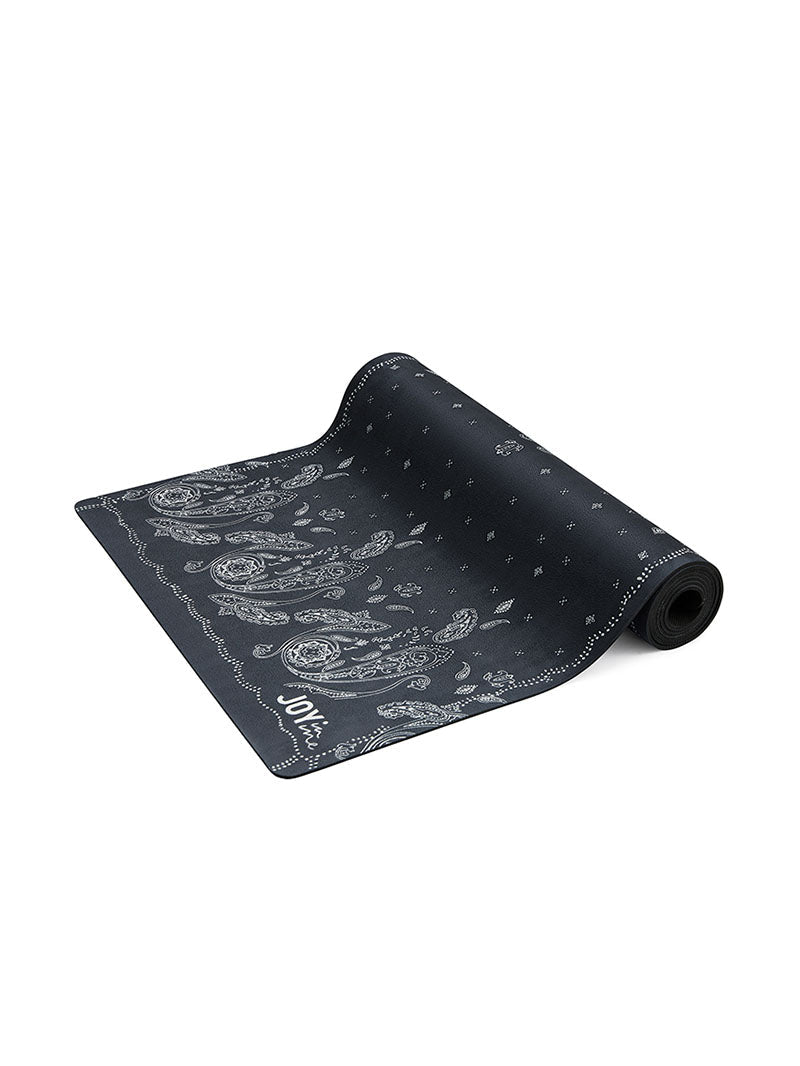
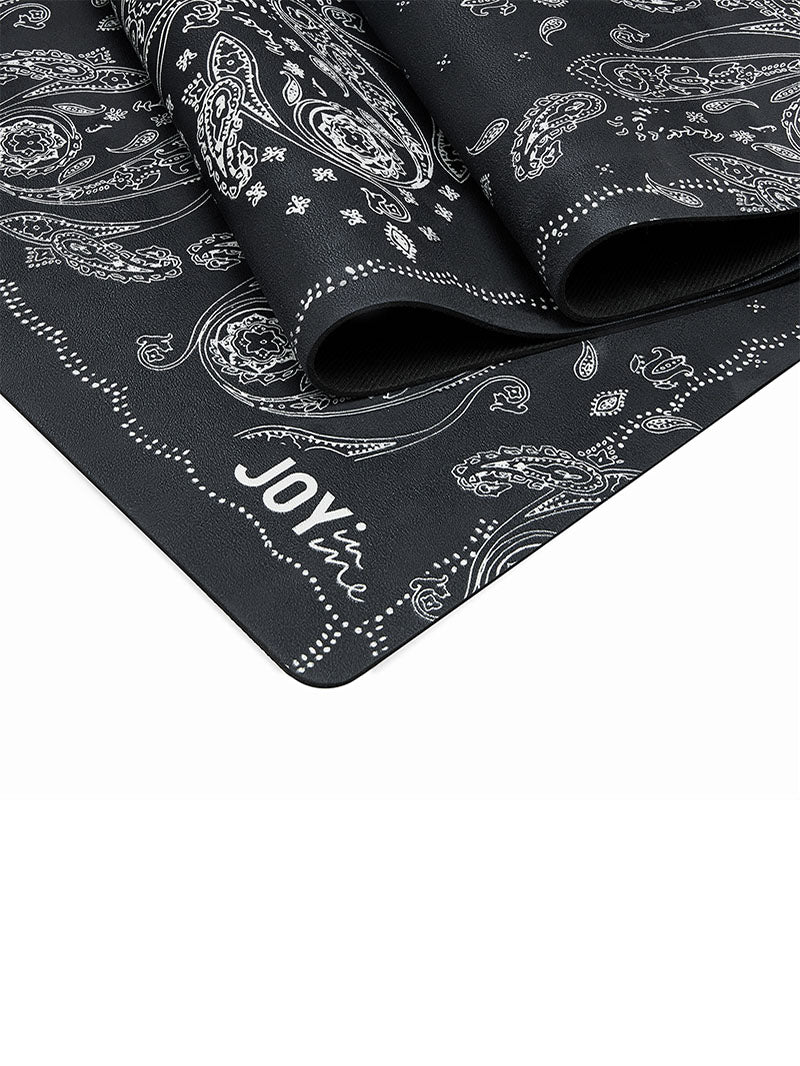
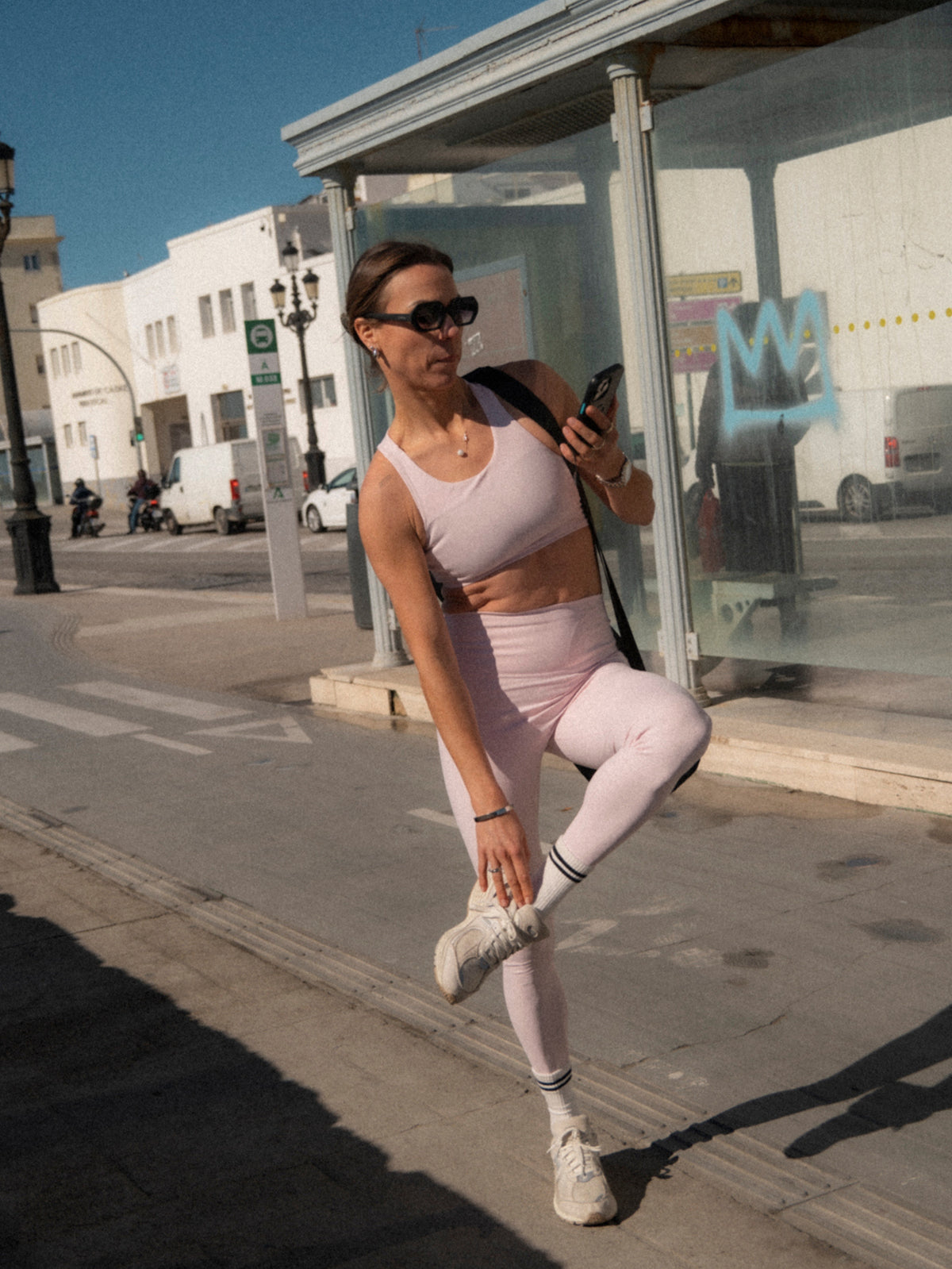
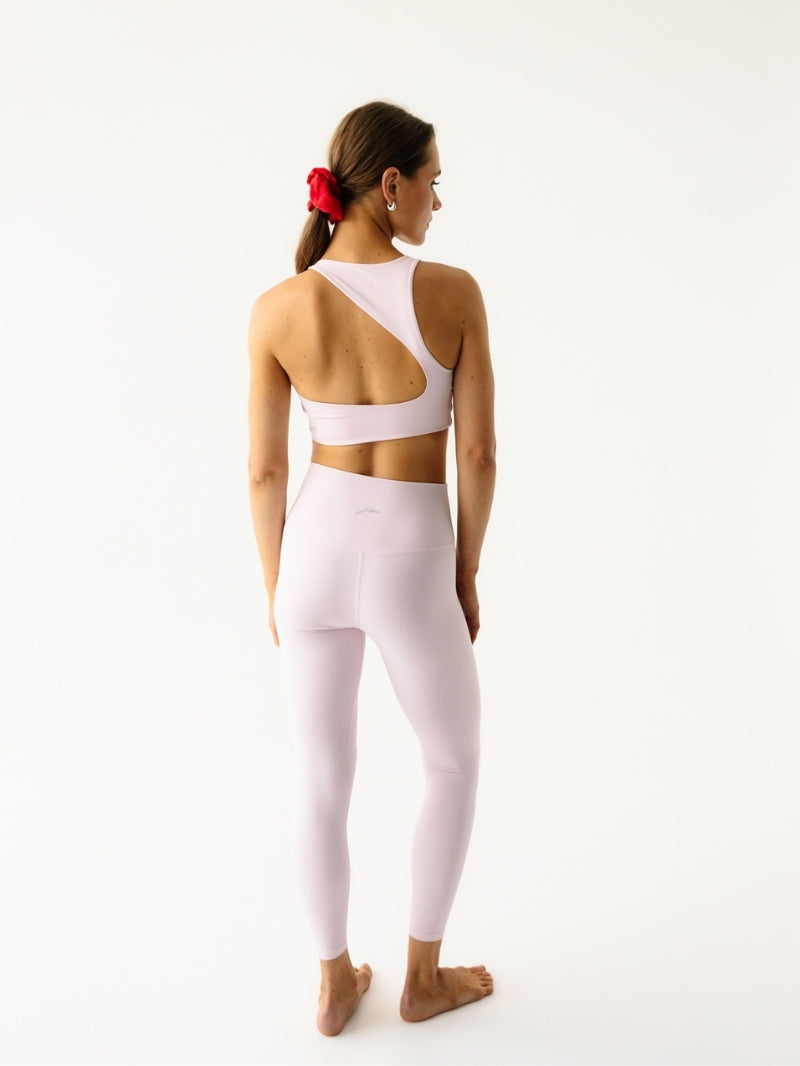
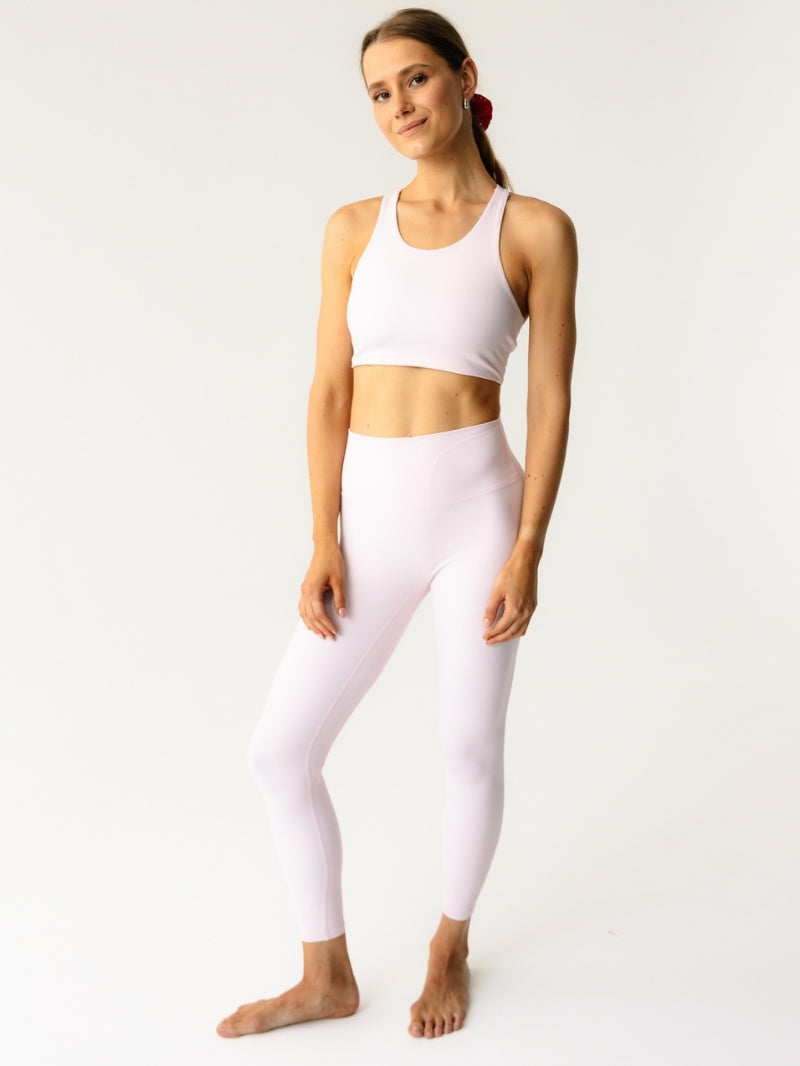
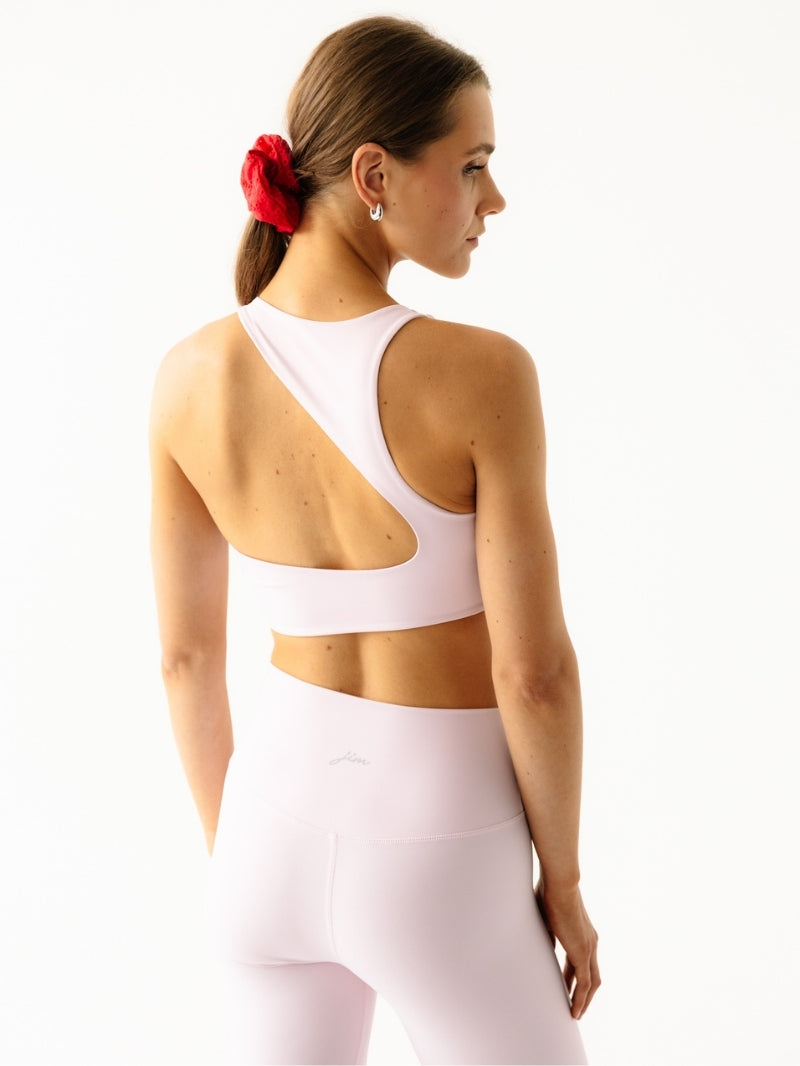
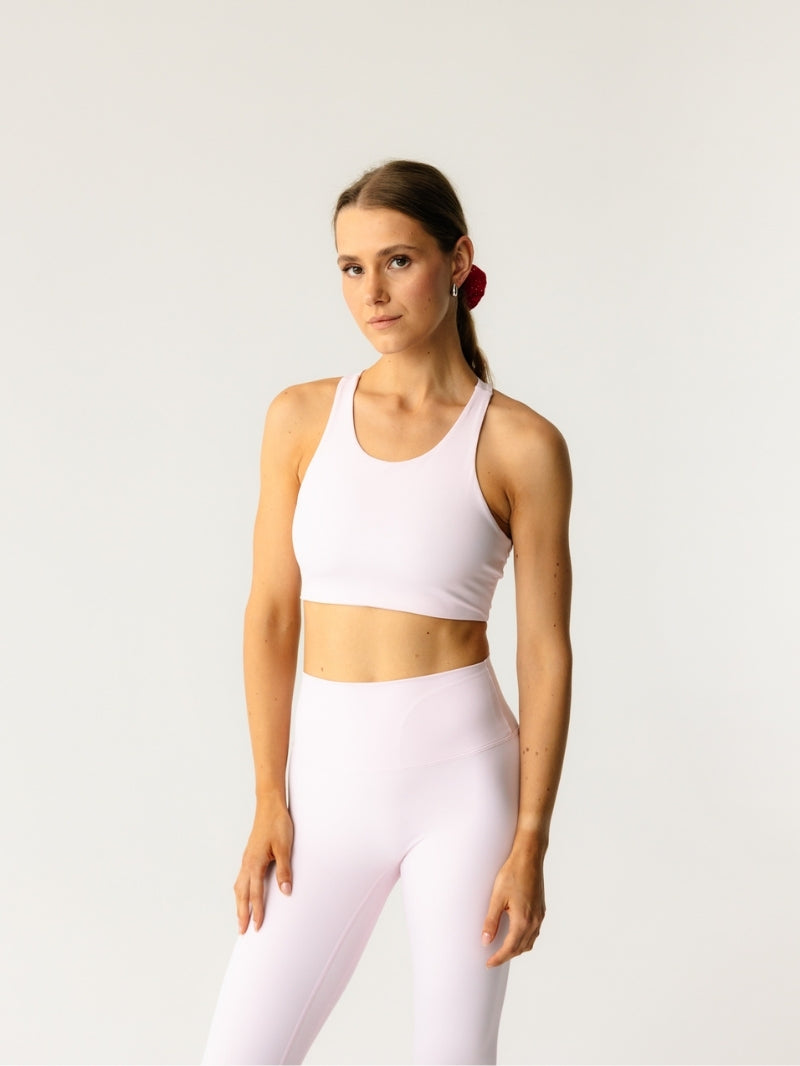
Besides the exercises themselves, Joseph Pilates also designed machines that support working on the body. These pieces of equipment – equipped with springs, handles, and straps – guide the body, clearly showing what sensation a given movement should elicit. The Cadillac, wunda chair, or reformer are great additions to a pilates lesson, and it is with them that true, classic pilates is associated. However, it is worth knowing that all these devices were created to support exercises that can be performed on a mat. In his 1945 book "Return to Life Through Contrology," Joseph Pilates presents a series of pilates exercises on the mat, along with tips on movement and breathing. This is a fundamental publication that every pilates fan should have in their library to be able to safely practice pilates at home on a mat and at the same time learn pilates in its purest form. It is worth checking out also for the photos of Joseph demonstrating subsequent matwork exercises, and he was 62 years old when the book was published! Another interesting fact related to this book is the name "contrology" itself – because that is what Joseph originally called his exercises. Only his students popularized the name derived from his surname. Remember that "contrology," or pilates, consists of exercises where the spine rolls along the mat. For comfort, it is therefore worth getting appropriate and comfortable pilates attire and a soft blanket or towel.


6. Fluid stretching
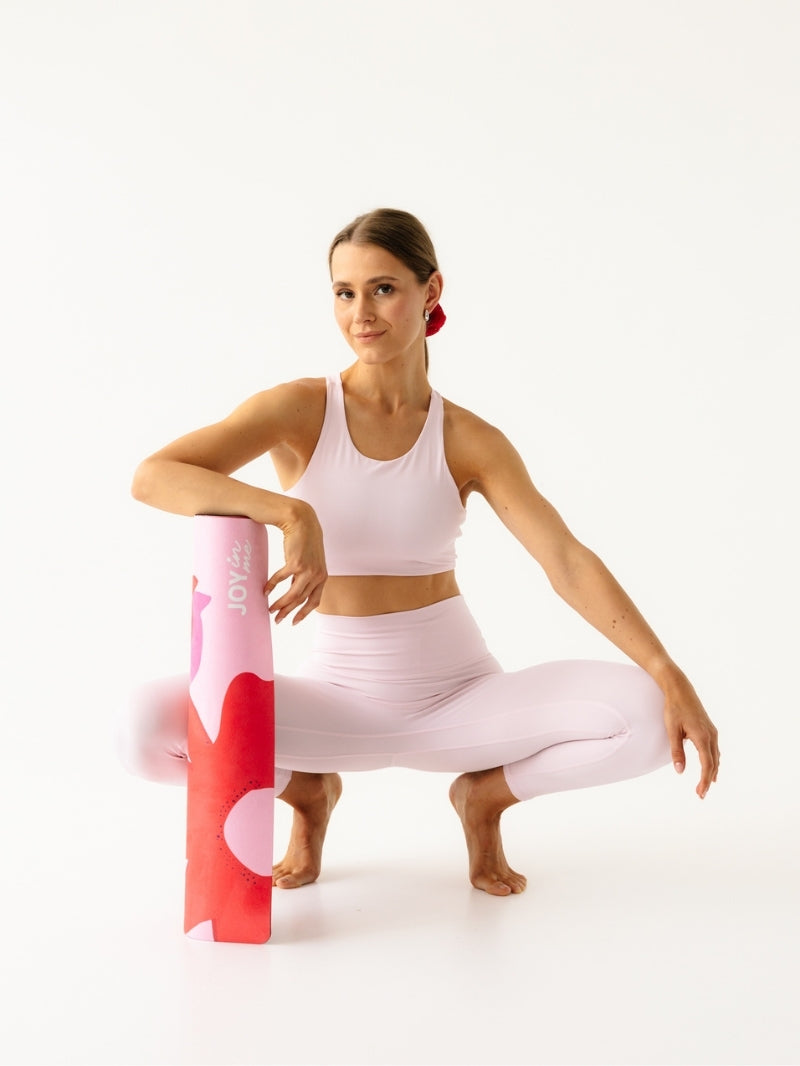
Saying that pilates is just crunches and push-ups and completely dismissing its stretching properties would be quite an understatement. Stretching is an important element of pilates, but it is not a priority, and there aren't many typically stretching-only exercises. Ranges of motion in pilates increase somewhat as a side effect of performing strengthening exercises, and unlike in yoga, in pilates, you stretch actively without holding one pose for a long time. Stretching is deepened here through fluid movement, and its main goal is to make the spine more flexible. It’s not about doing splits or bringing your leg to your forehead, but about lengthening the spine and strengthening the muscles.
7. Supplementing your workout
Pilates and yoga can go hand in hand perfectly. The former will give you body awareness and teach correct patterns, the latter will let you play with them. Pilates is often a supplementary discipline that professional athletes around the world reach for. For footballers, it will allow them to run faster; for jumpers, to jump higher; and for dancers, to better control bodies that are overworked and prone to injury. It can also be a great element of rehabilitation because it does not put strain on the joints and forces you to assume safe positions. All this is possible thanks to working on the "powerhouse," or the core muscles, which are the engine driving the entire body. One-on-one lessons, in particular, are an invaluable source of information about the strengths and weaknesses of the body and can completely change a sports career or relieve a spine aching from sitting at a computer. The devil is in the details, and these are easy to catch when exercising one-on-one with an instructor. However, pilates is not just a diagnosis of your condition, but also work on improving it. As a primary or supplementary discipline – pilates is absolutely for everyone.


