

Regularly cleaning your exercise mat not only improves overall hygiene but also maintains the quality of the material it is made of. Every material requires an individual approach. Do you have your dream yoga mat and are wondering if a given model can be machine washed?
Learn how to clean it properly so you can enjoy it for as long as possible and maintain its best grip even during intense practice. What should proper yoga mat care look like? Discover our guide!

How often should you clean your yoga mat?
It is difficult to give a definitive answer to the question of how often to wash a mat. Intense practice, bacteria, or the cosmetics we use – all these factors can affect the condition of a yoga mat. Given how many variables there are, try to develop a system yourself that is adapted both to the material and the specifics of your own practice.
It is worth checking the surface of the mat after every workout to verify on an ongoing basis that no dirt has appeared on it. Basic attention to hygiene and quickly removing impurities will help minimize the risk of bacteria growth or the formation of stubborn, harder-to-remove stains in the future. Sometimes, just wiping the mat is enough to refresh it effectively.


Mat cleaning methods – choose the best one for you!
Due to its specific nature as well as the degree of use, every mat requires a tailored care routine. On one hand, it is important to regularly clean the surface of debris resulting from daily use; on the other, more invasive actions such as washing may be needed.
Which products should be hand-washed and which can be machine washed? Check what to look for when choosing a cleaning method adapted to the material your mat is made of!
Quick refreshing after every use
It is worth developing a habit of lightly refreshing your mat every time you use it. It is best to do this immediately after finishing your session, especially if it was an intense one. All you need is a simple, soft cloth and water. Try to wipe the mat gently after each practice, and then leave it unrolled to dry.

Thorough cleaning – how to do it step by step?
Sometimes water alone is not enough to properly clean an exercise mat. However, using inappropriate agents and methods can lead to material damage. If you are wondering if your mat can be machine washed, check what material it is made of.
In the case of PRO mats made of natural rubber coated with polyurethane, this solution is not recommended, so you should limit yourself to wiping it with a damp cloth. For stubborn stains, add a drop of dish soap, lemon juice, or white vinegar.
FLOW collection mats and FLOW TRAVEL exercise mats are best cleaned regularly with a damp cloth or sprayed with water due to their microfiber finish. However, for more persistent dirt, you can wash them in a washing machine at 30 degrees, but without using strong detergents.


It is safer for the mat to use soap nuts or a few drops of lemon juice, which is a natural refreshing agent. Remember that mats do not like fabric softener.
After washing, the mat should be laid flat until completely dry. To speed up the drying process, you can wrap it in a towel. Do not expose the mat to strong sunlight, which can accelerate the biodegradation process.
What to clean a yoga mat with? A review of effective agents and tips
Several useful products have already been mentioned in the text – however, these are not all the possible cleaners and fluids for cleaning mats. Learn about both home and more professional ways to remove dirt!
Home remedies for washing a mat
You don't have to look far for effective agents to keep your mat clean. Many homes have a few easily accessible products, such as a microfiber cloth, vinegar, or lemon, from which friendly and natural stain-removing mixtures can be made.
PVC mats can be cleaned with soapy water, while natural rubber models – as mentioned earlier – require a gentler approach, e.g., water and vinegar. However, if you want to achieve a pleasant scent, you can also add a few drops of your favorite essential oil to the solution.
Professional cleaning agents, oils, and sprays
Do you like ready-made solutions? Choose a professional cleaning agent. Sprays for cleaning and maintaining mats are quite popular and very often contain oils.
Such agents are usually intended for PVC mats and it is not recommended to use them on rubber models. There are also organic and universal preparations, but it is worth reading their instructions carefully before purchasing.
Material type and mat care – what to remember?
Removing dirt is one thing, but an incorrect method can contribute to the loss of a material's properties. A clean but ruined material is definitely not something you want. Check how to look after your mat's structure.
How to clean a non-slip mat?
To ensure your yoga mat retains its grip and provides safety and stability during exercises, you should avoid strong detergents. It is better to opt for manual cleaning and vinegar (white or apple cider) mixed with water in a 50:50 ratio. This is a good solution because it does not dry out the mat surface.
It is good if the water is boiled beforehand and then cooled. Remember not to soak the mat – otherwise, it will become slippery and its grip will be weakened.

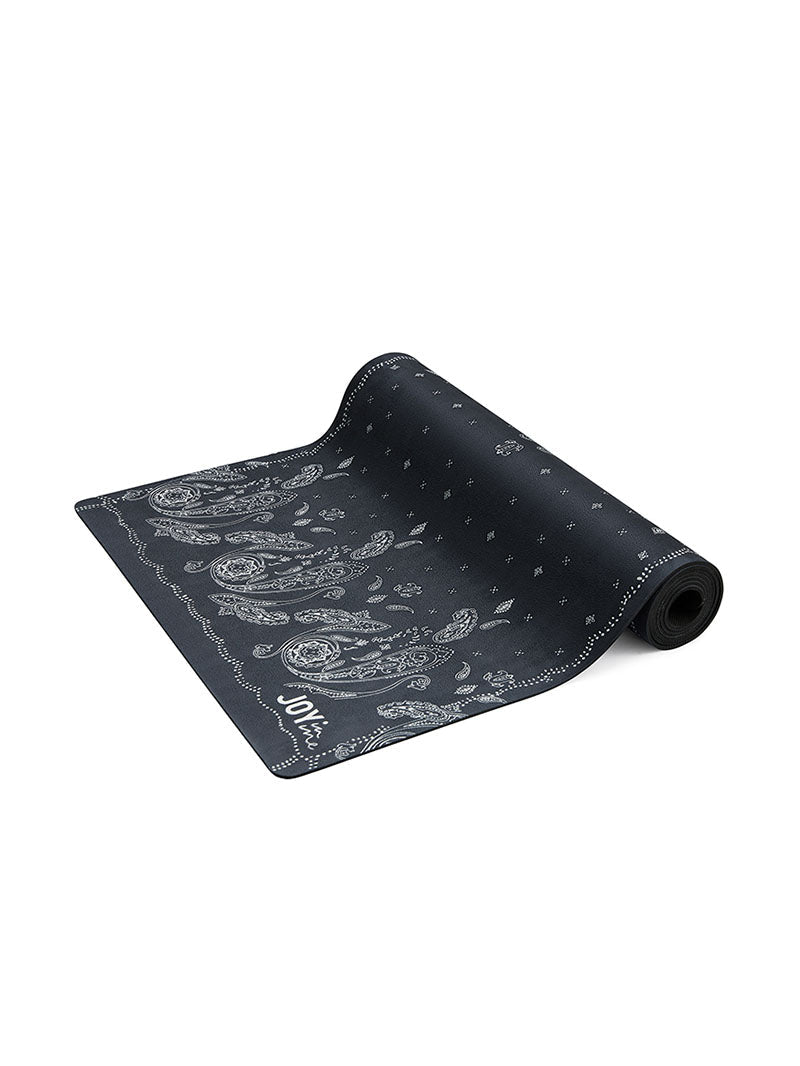

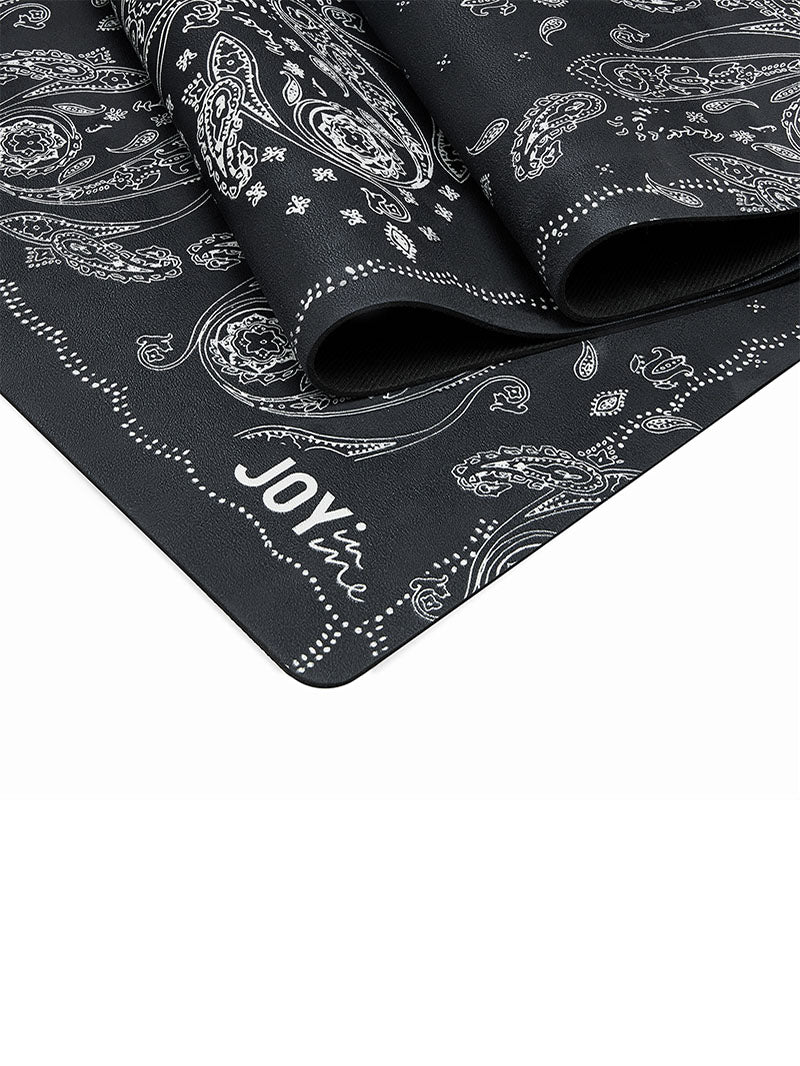


How to clean a rubber mat?
Vinegar also works great for cleaning rubber mats. However, it is not recommended to keep them in water for a long time or to wash them – this can lead to weakening the material structure and thus faster wear and tear.
Unlike soap, vinegar will allow you to maintain the proper properties of the rubber, including its grip, by giving the mat the necessary dose of moisture.

Can you wash a yoga mat in a washing machine?
Washing mats in a machine is a debatable issue, and questions related to this topic return very often, so it is worth emphasizing again clearly that not all models can be cleaned this way. The model most commonly cleaned mechanically is one made of PVC, but even in this case, it is worth paying attention to the manufacturer's recommendations.
The type of mat surface plays an important role. An open-cell structure means that the mat can be machine washed at a low temperature, while a closed-cell one cannot – due to greater susceptibility to damage.
Drying and storage – the final step of your mat care
To properly dry your yoga mat, lay it out on a flat surface in a well-ventilated room, away from direct sunlight, which can damage the material. Once dry, roll the mat loosely to avoid permanent creases and store it in a dry place away from extreme temperatures.
Regular cleaning and proper drying will ensure the longevity of your mat and provide comfort during yoga practice, while simultaneously extending the lifespan and utility of the material.


