

Insomnia is one of the most common problems in modern life. There are several methods that can positively influence the body and help with falling asleep. These include evening yoga, which allows both the body and the mind to relax and unwind. Check out how to incorporate this practice into your daily routine and what you can gain from it!
Insomnia – a problem you are not alone with
The problem of insomnia affects many people, and it is considered a disease of civilization. Not so long ago, in 2021 – as shown by the Sleep of Poles report – almost 40% of people in our country complained about problems with falling asleep or waking up during the night. A lot of research has been done on this subject. Some of it states that insomnia affects 10-30% of the population, while others cite a figure in the 50-60% range.
Sleep problems can have various causes – sometimes they are the result of chronic stress, lifestyle, or even a medical condition, such as sleep apnea. Alcohol or caffeine abuse also has a very negative effect on sleep quality and the body's ability to regenerate properly. The consequences of insomnia, for both physical and mental health, can be very serious. Long-term problems with falling asleep lead to, for example, difficulties with concentration, memory, and a drop in performance at work or school.
The body needs sleep to properly regenerate, and a lack of it weakens the immune system and increases the risk of heart disease.
Evening yoga as a natural remedy for sleep problems
Evening yoga can be an effective way to improve sleep quality. Regular practice helps to calm down, reducing cortisol levels and thus stress, which, as mentioned earlier, is a frequent cause of insomnia. To achieve a proper state of calm and focus, it is worth reaching primarily for breathing and meditation techniques. The beneficial effect of yoga in combating insomnia is confirmed by scientific research.
Daily practice reduces agitation and effectively calms you down, but it is worth remembering that it acts primarily as a support – often a comprehensive approach to health and taking other actions is necessary.

Yoga before bedtime – how to practice to sleep better?
Yoga for good sleep does not have to be complicated at all, and it can be practiced by people at various levels of proficiency. For this purpose, it is worth, of course, getting a yoga mat and comfortable clothing. The atmosphere also encourages relaxation, so you can light a candle. Before starting the practice, try to calm your mind, take a few deep breaths, and focus on the here and now.







Evening yoga in bed – simple asanas for falling asleep, calming down, and relaxation
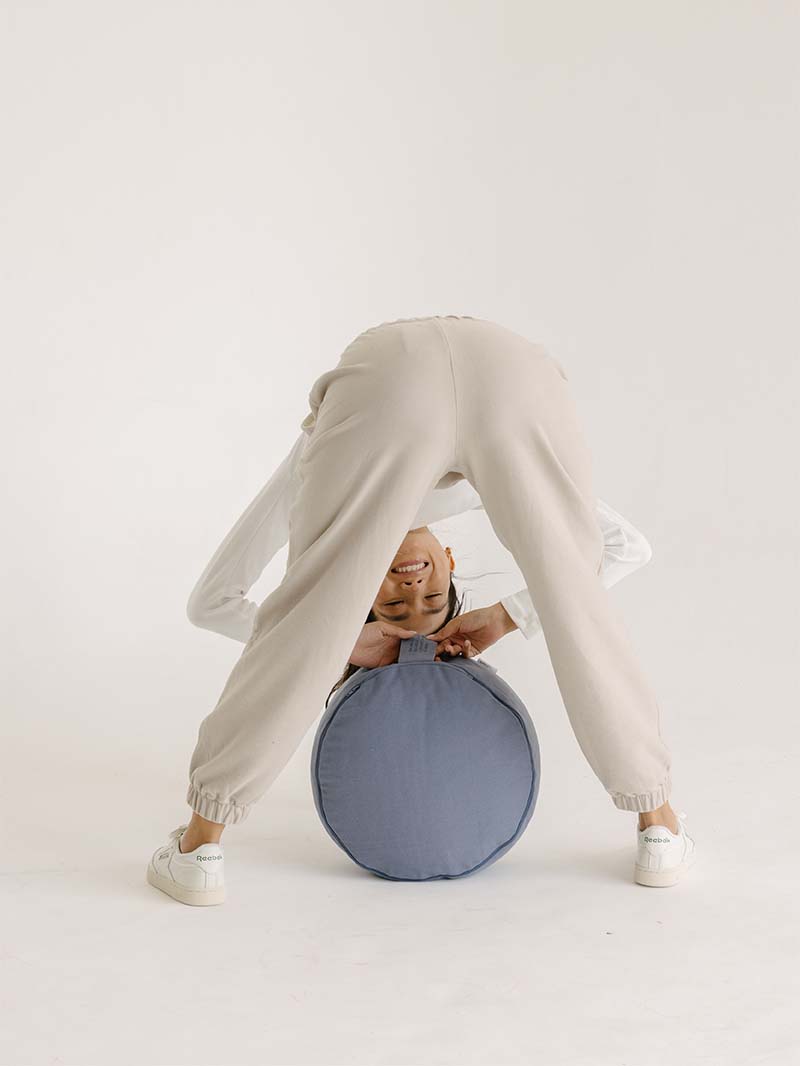
Evening practice can be started with yoga for beginners and a series of relatively simple asanas. The calming sequence consists of, for example, a standing forward bend (Uttanasana) or downward-facing dog (Adho Mukha Svanasana).
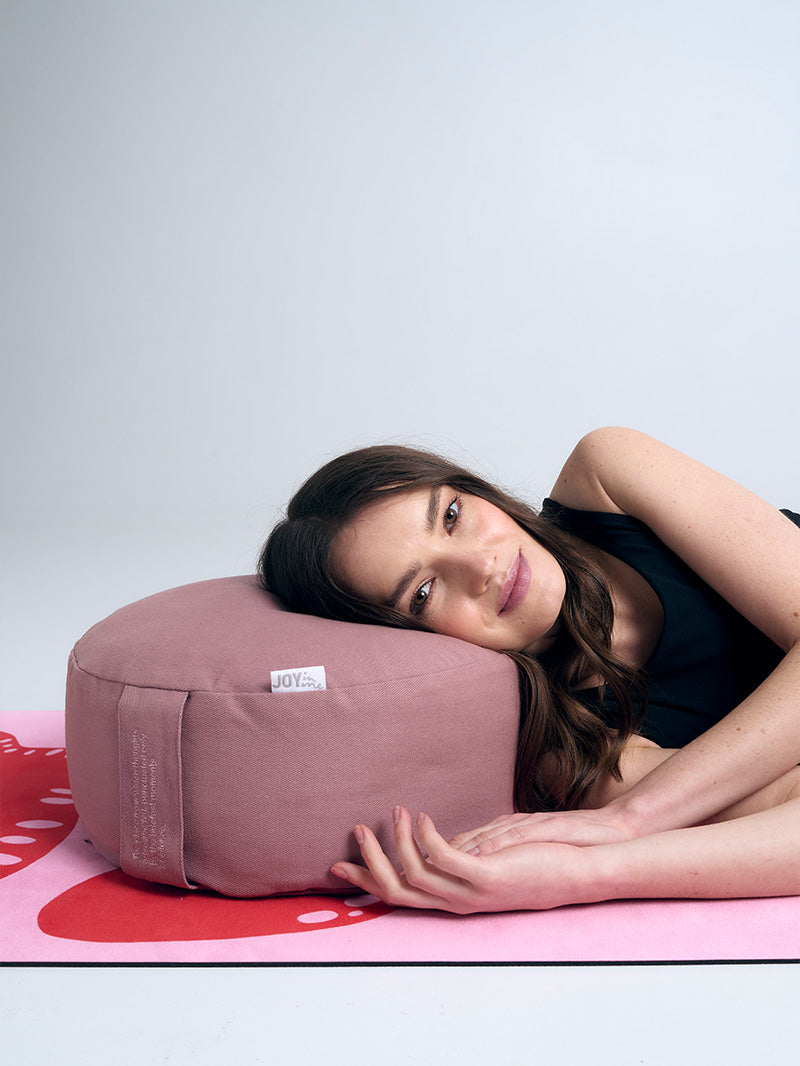
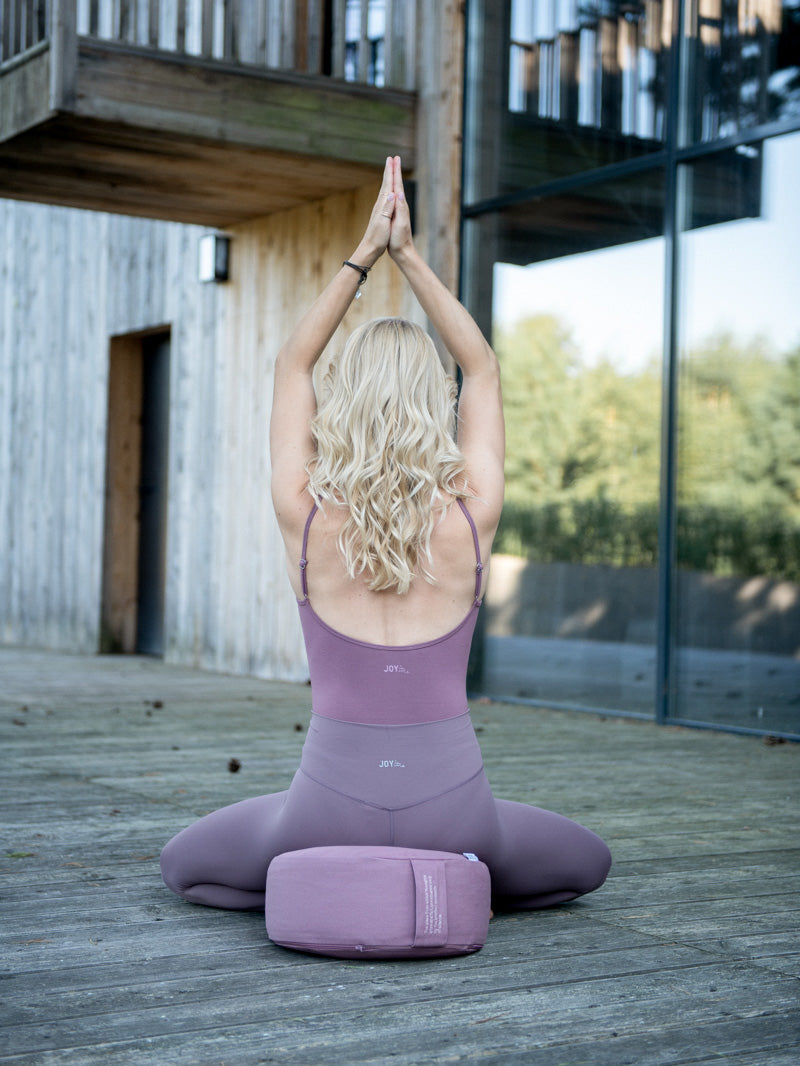
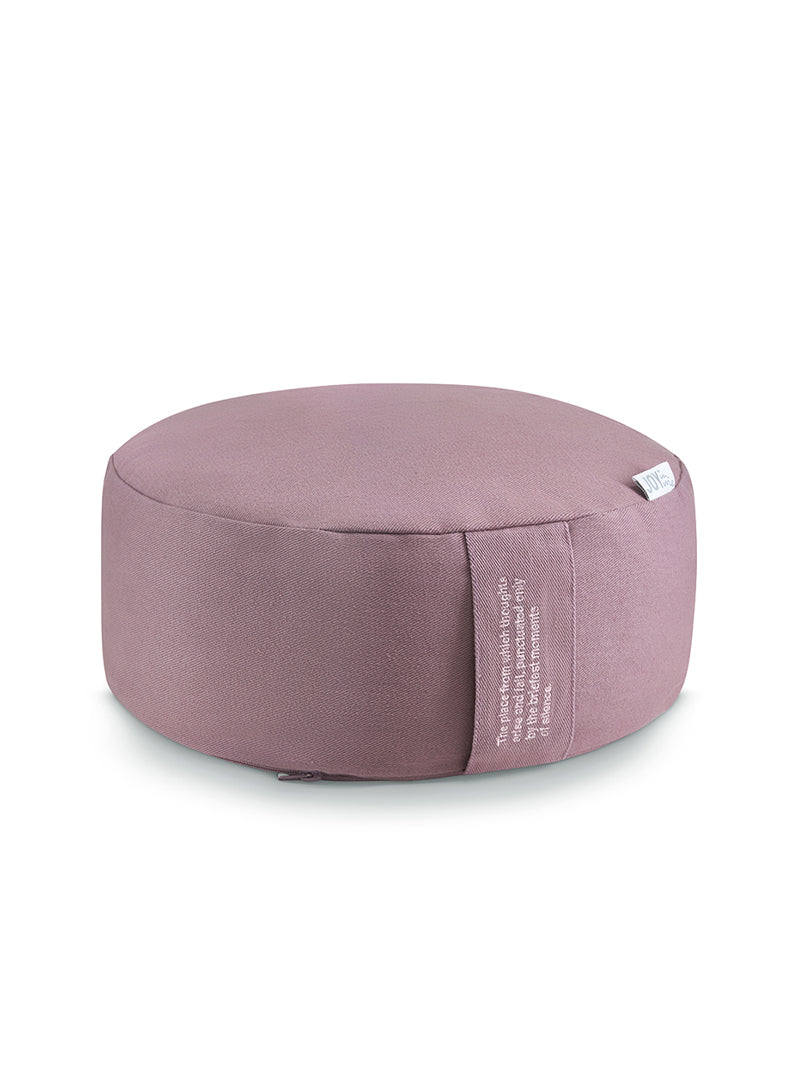
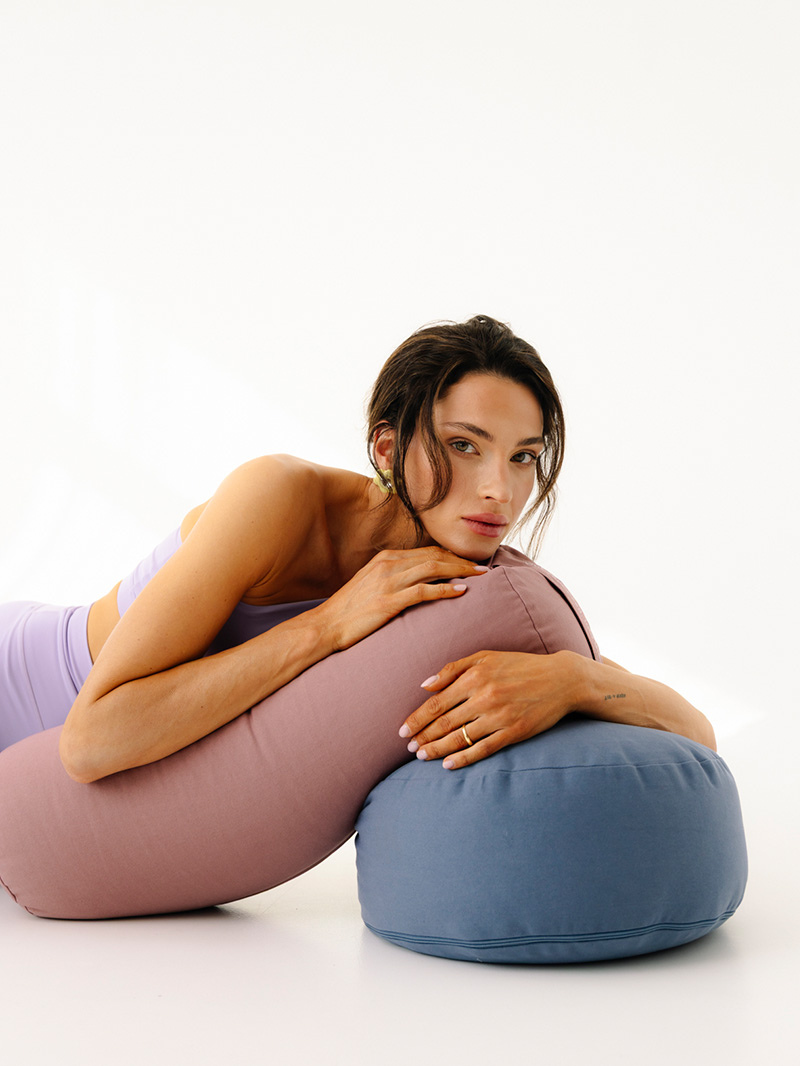
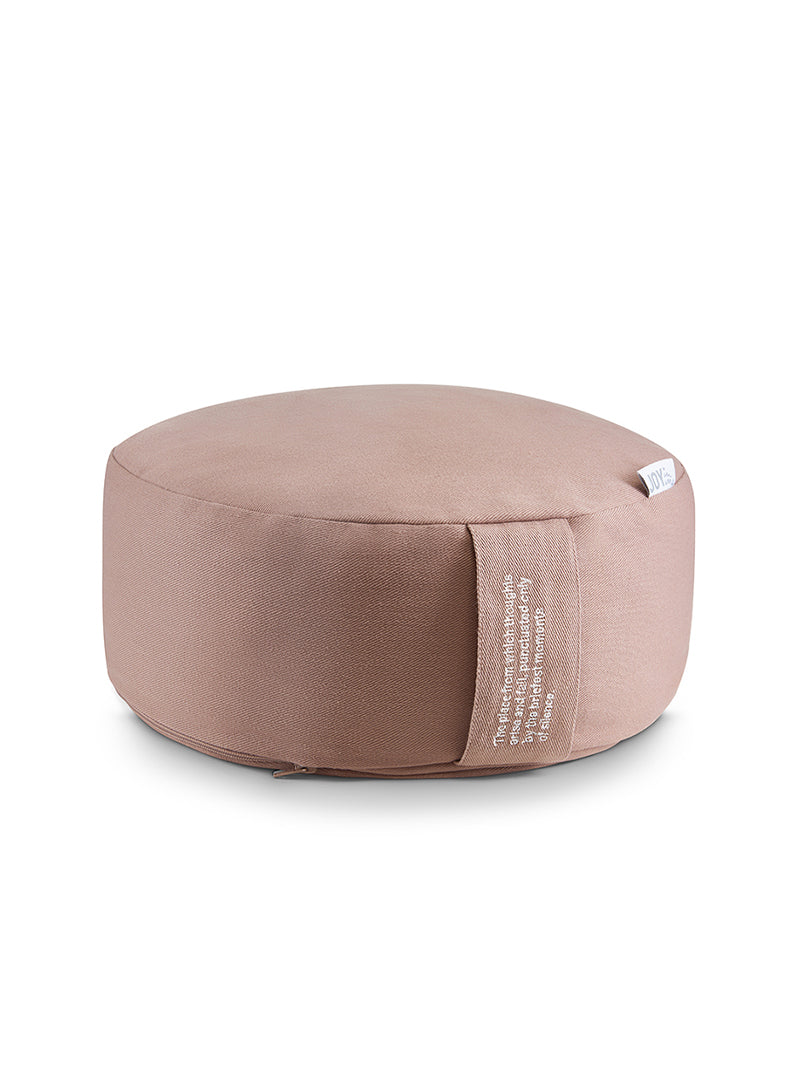
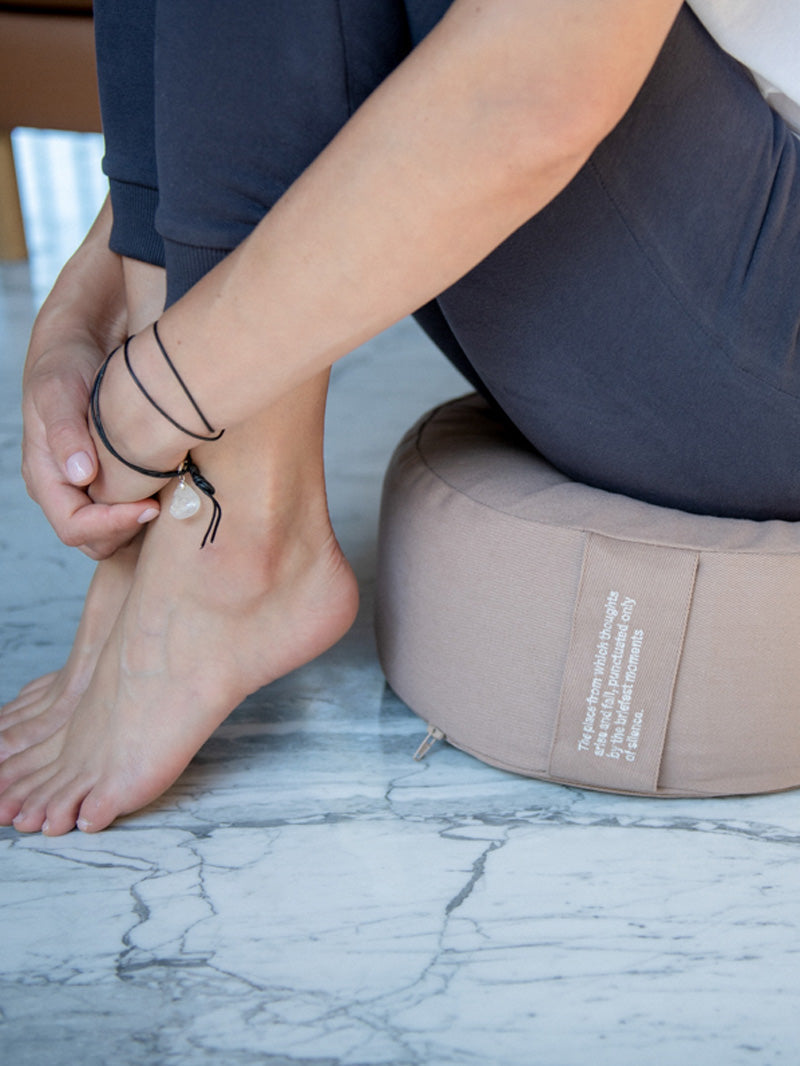
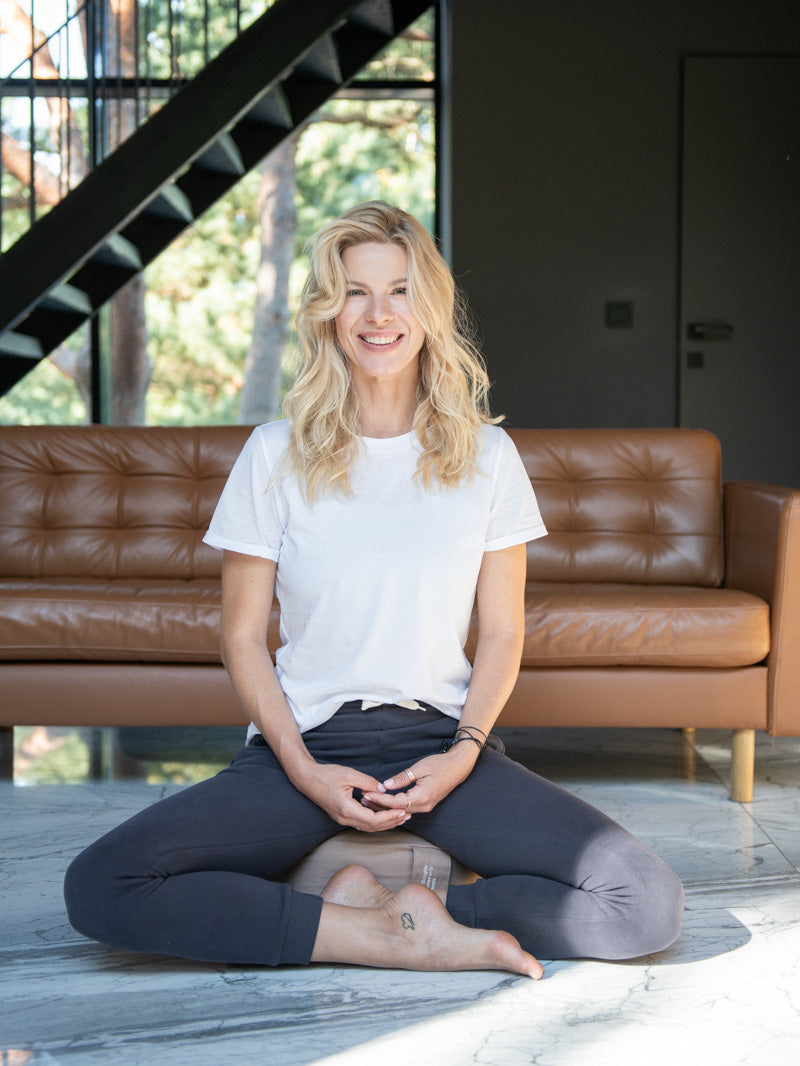
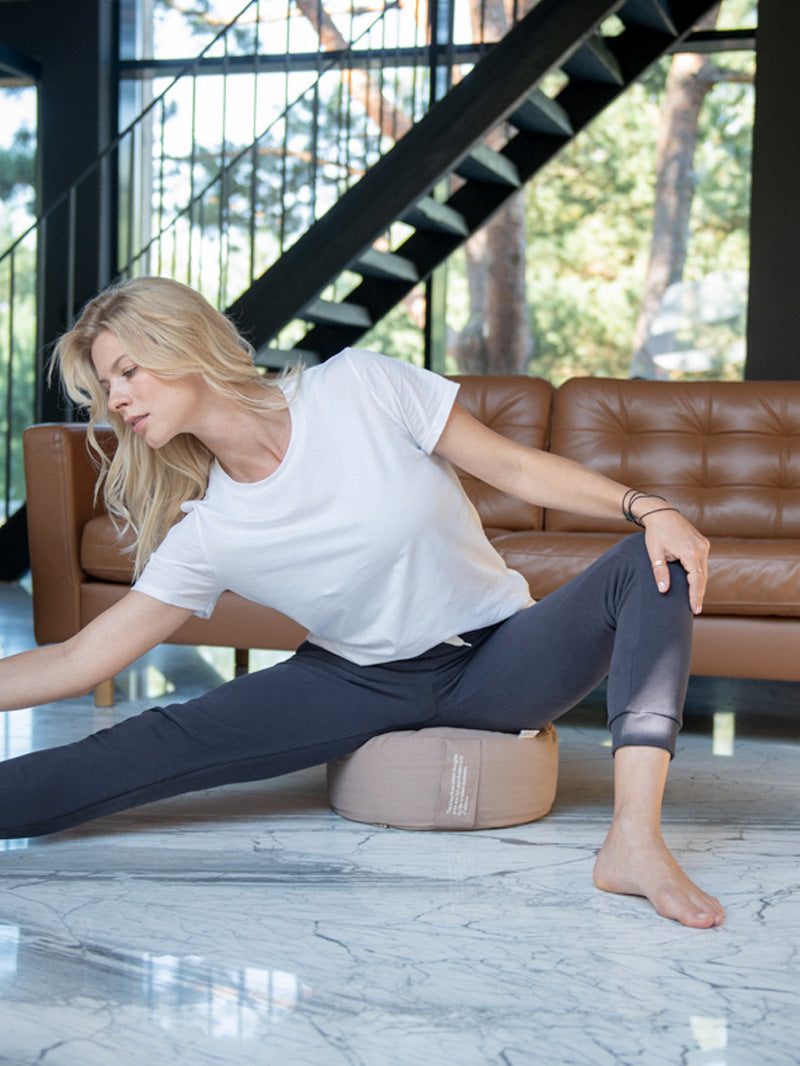
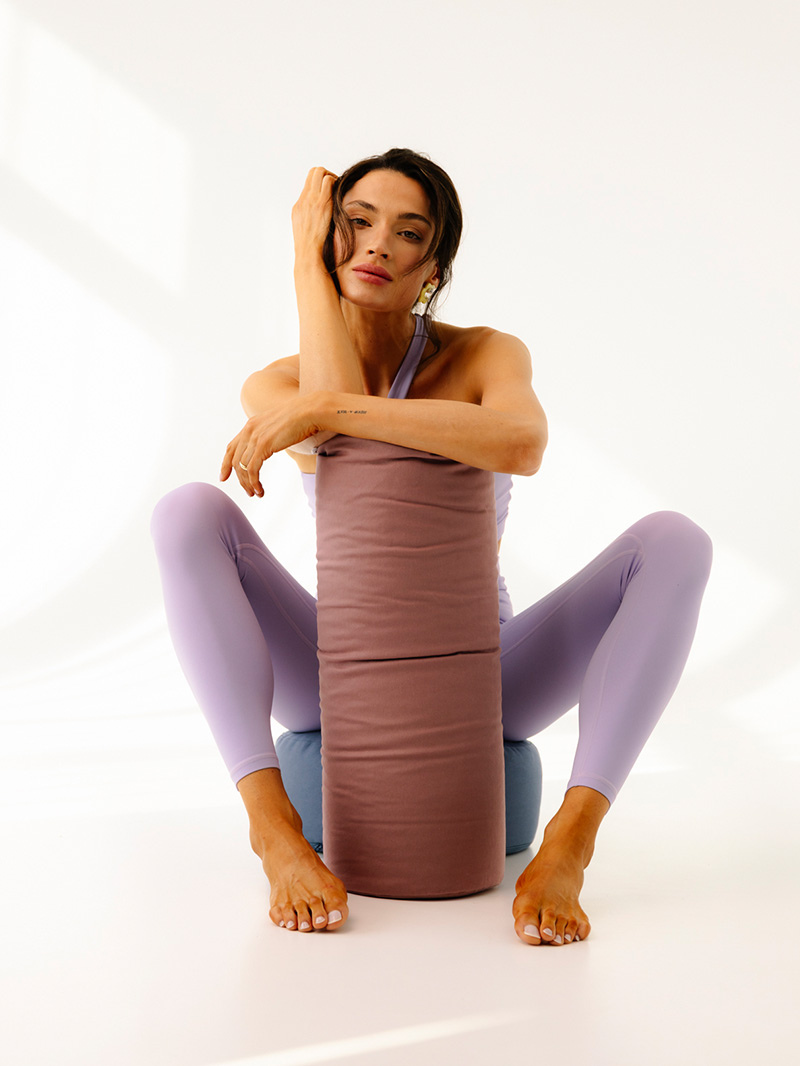
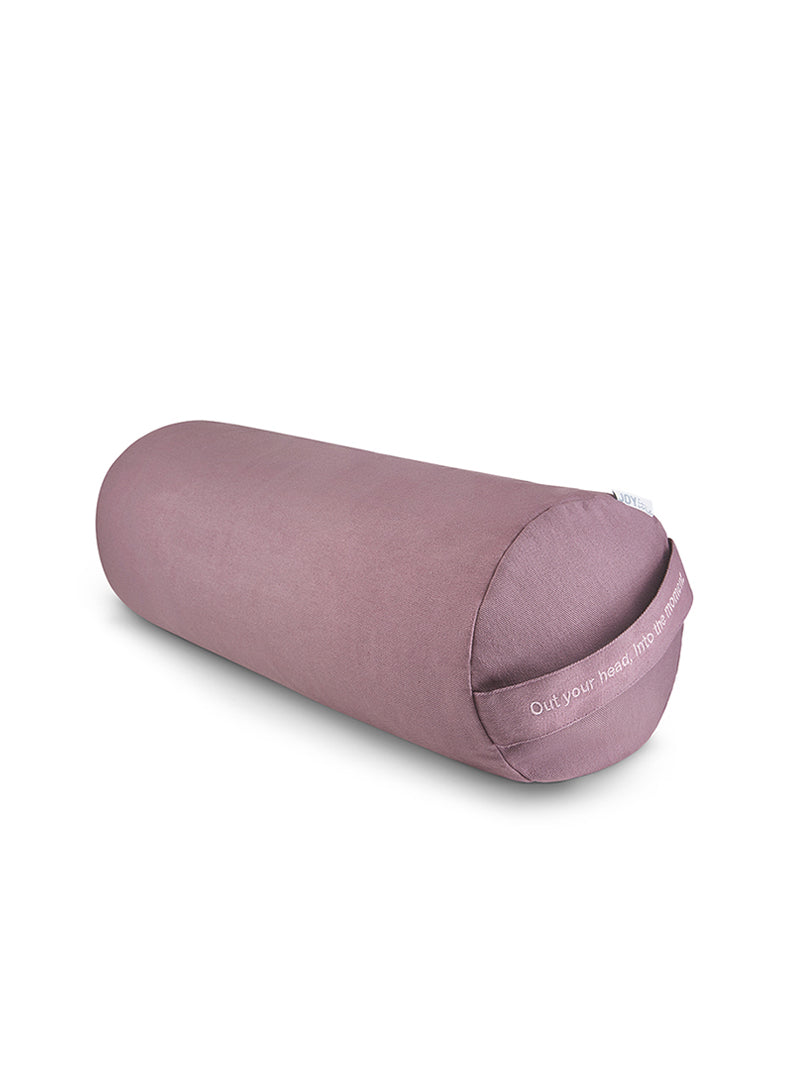
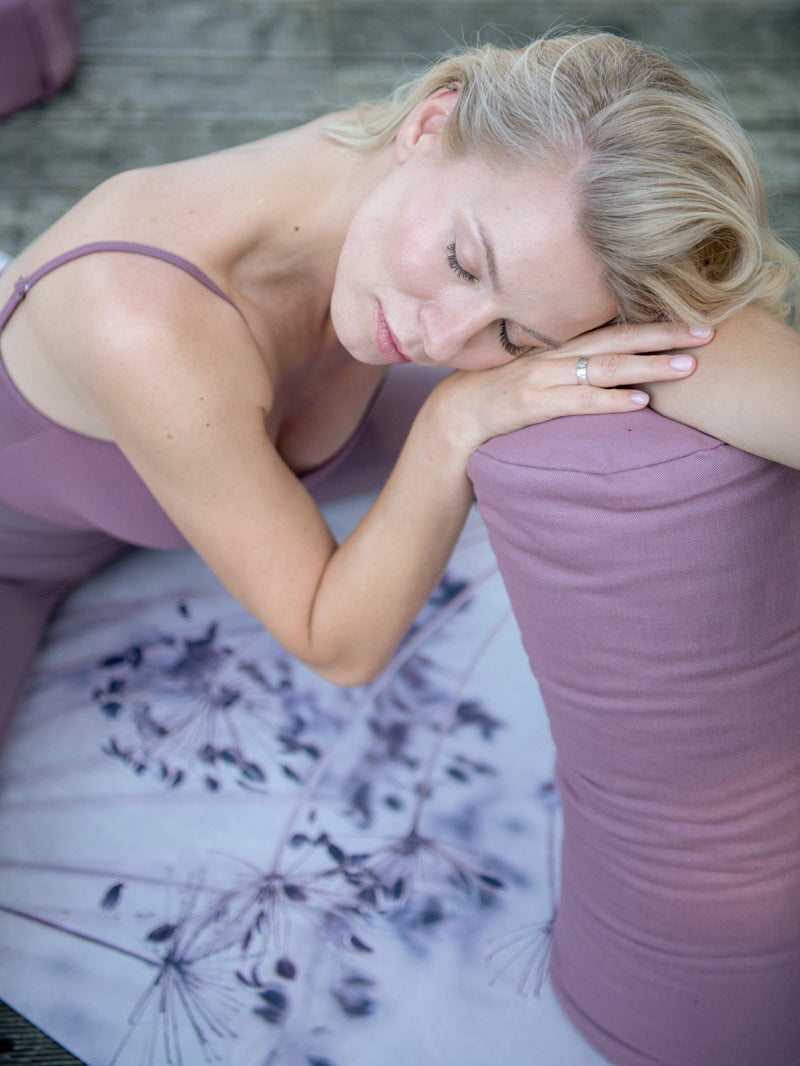
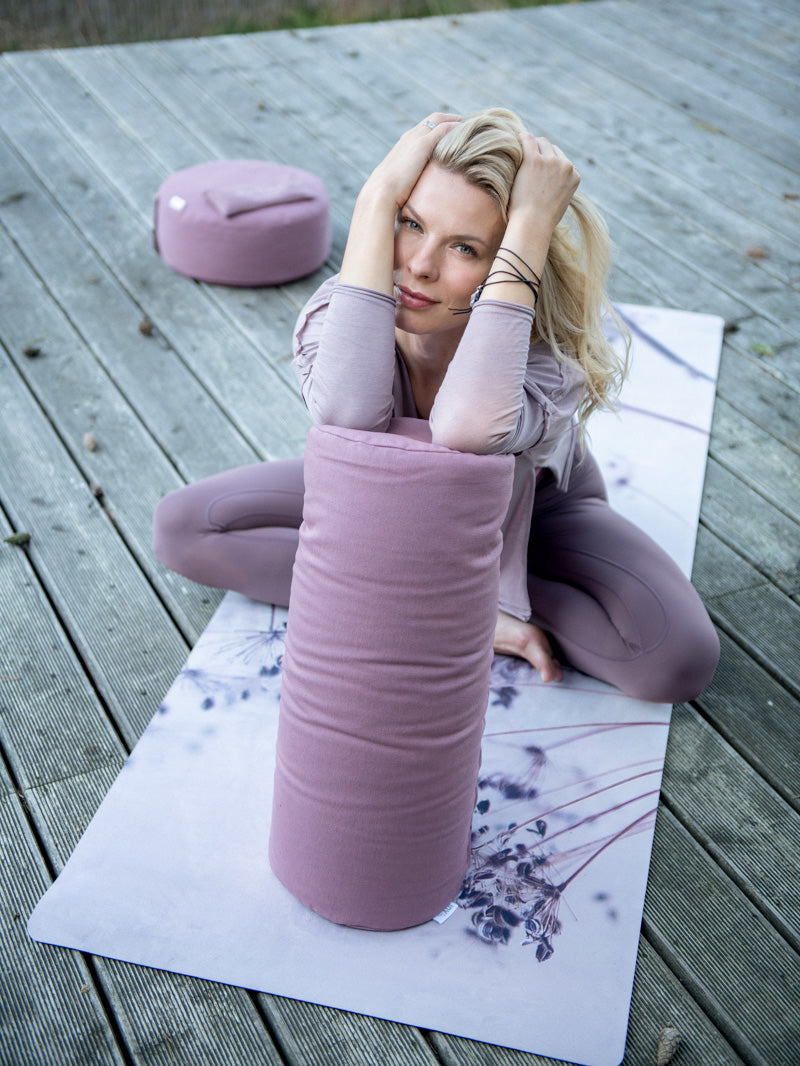
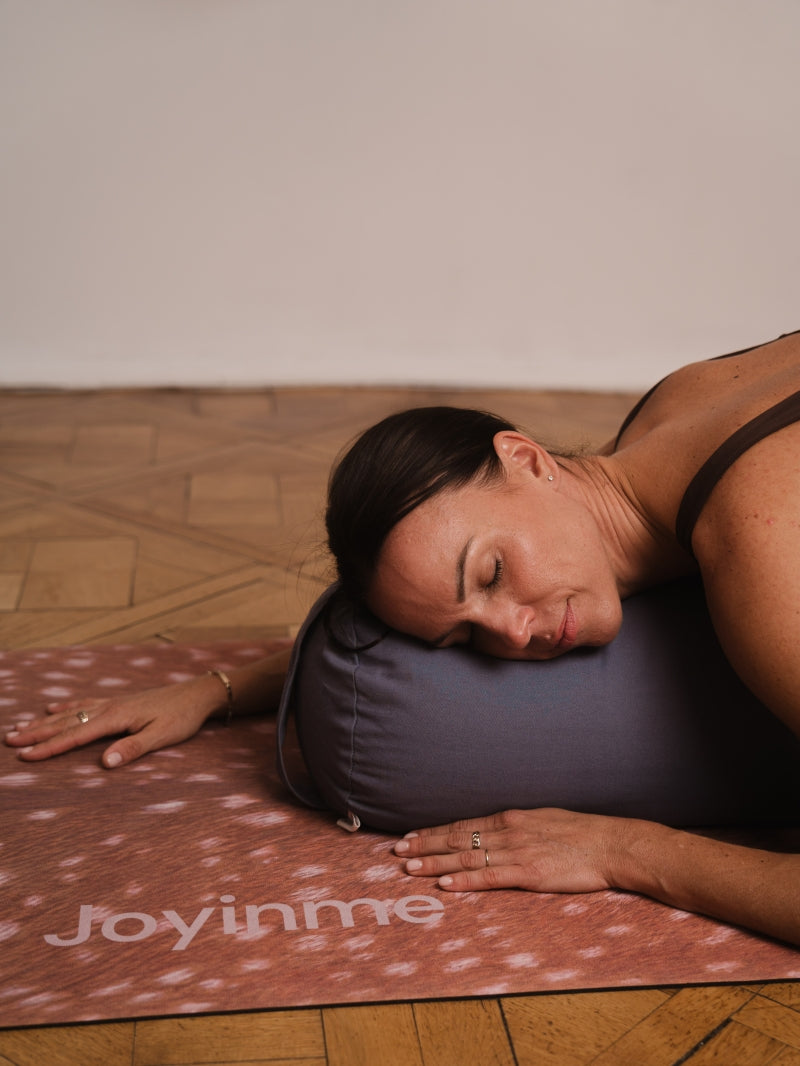
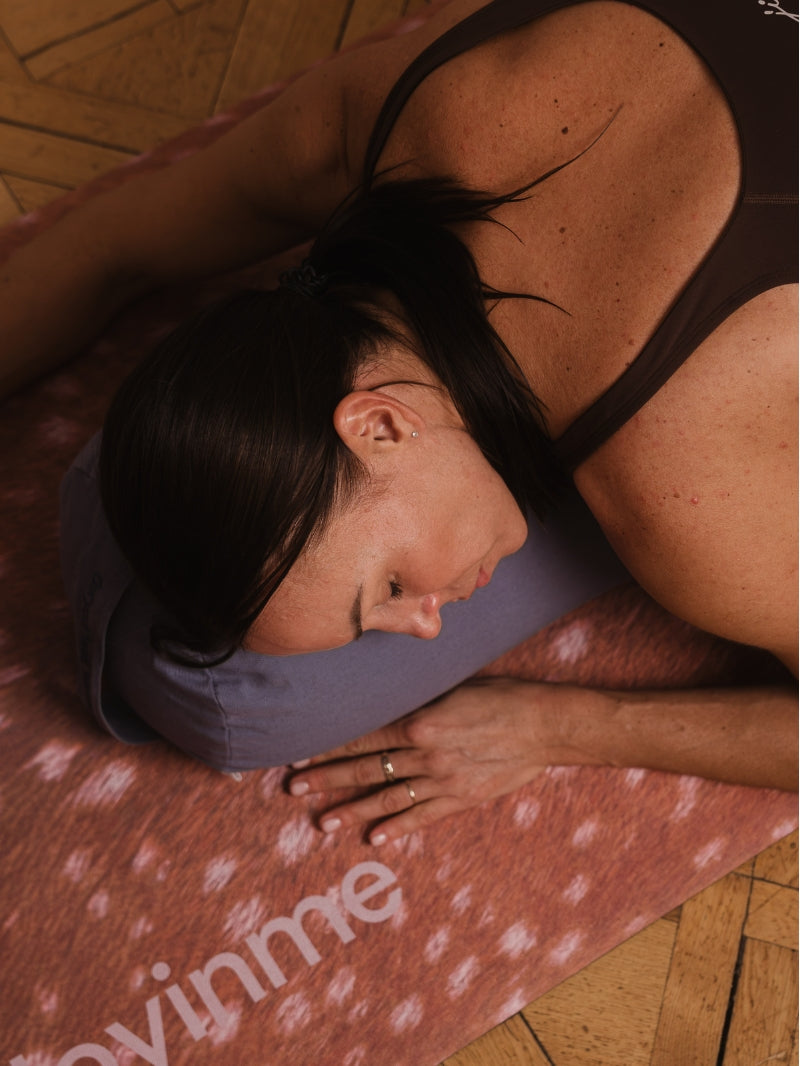
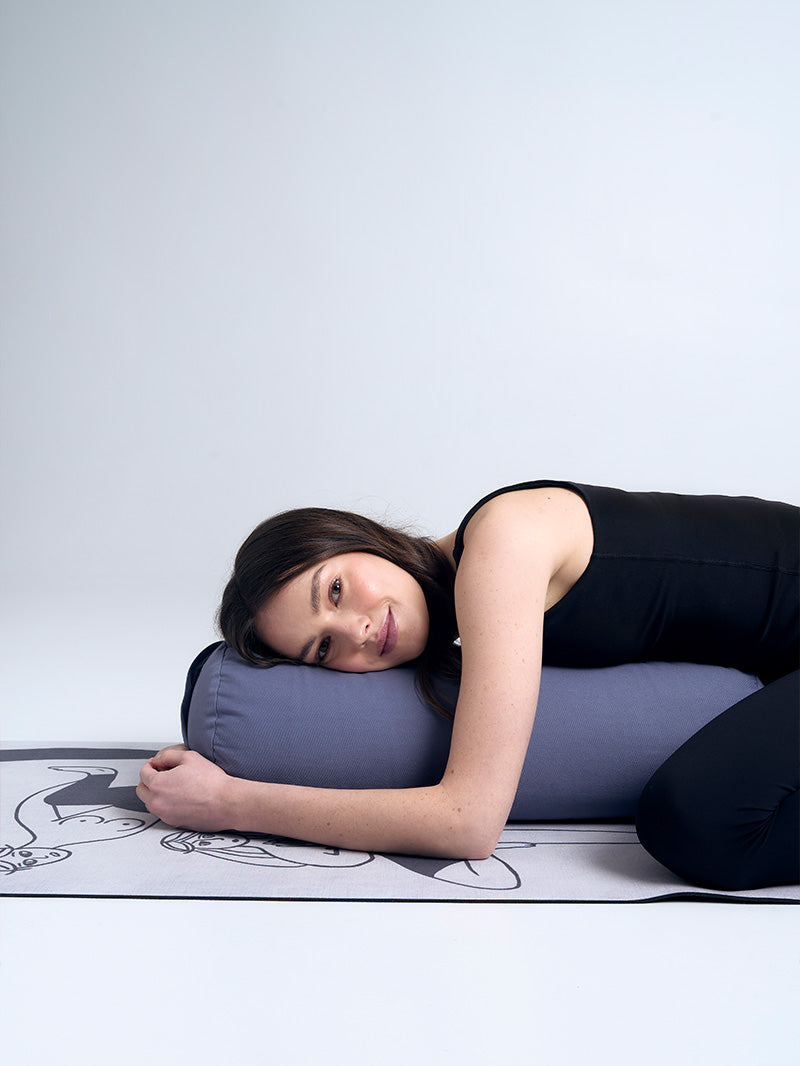
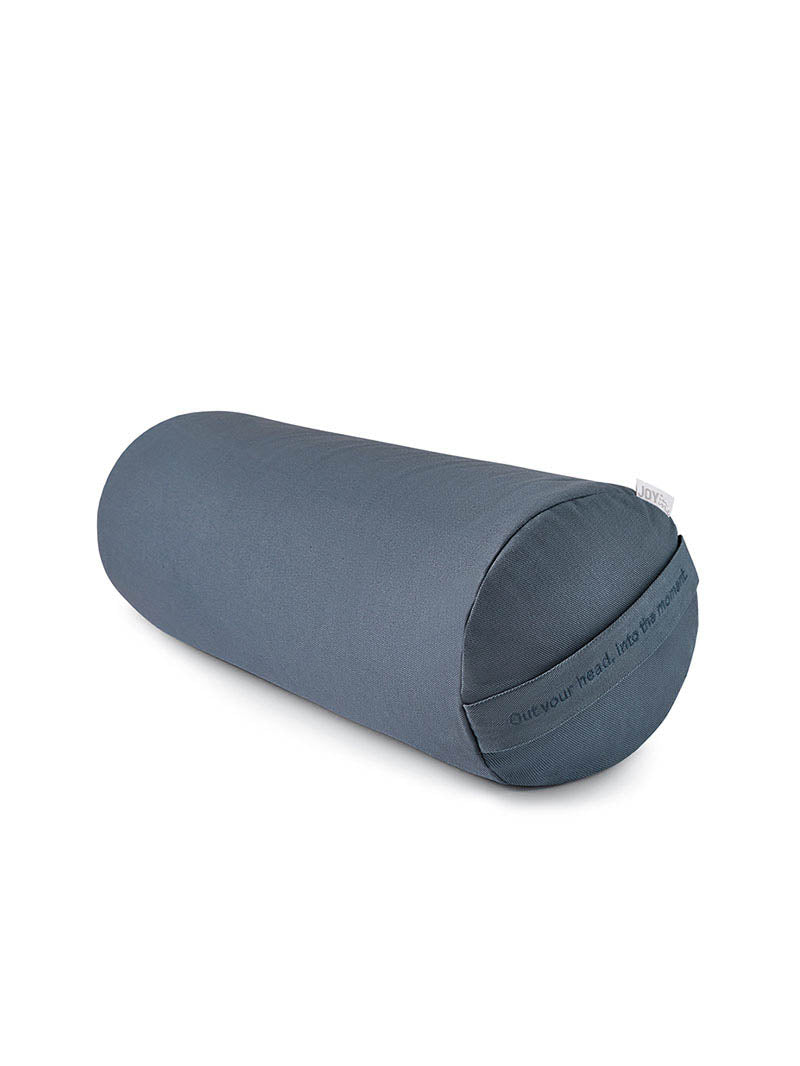
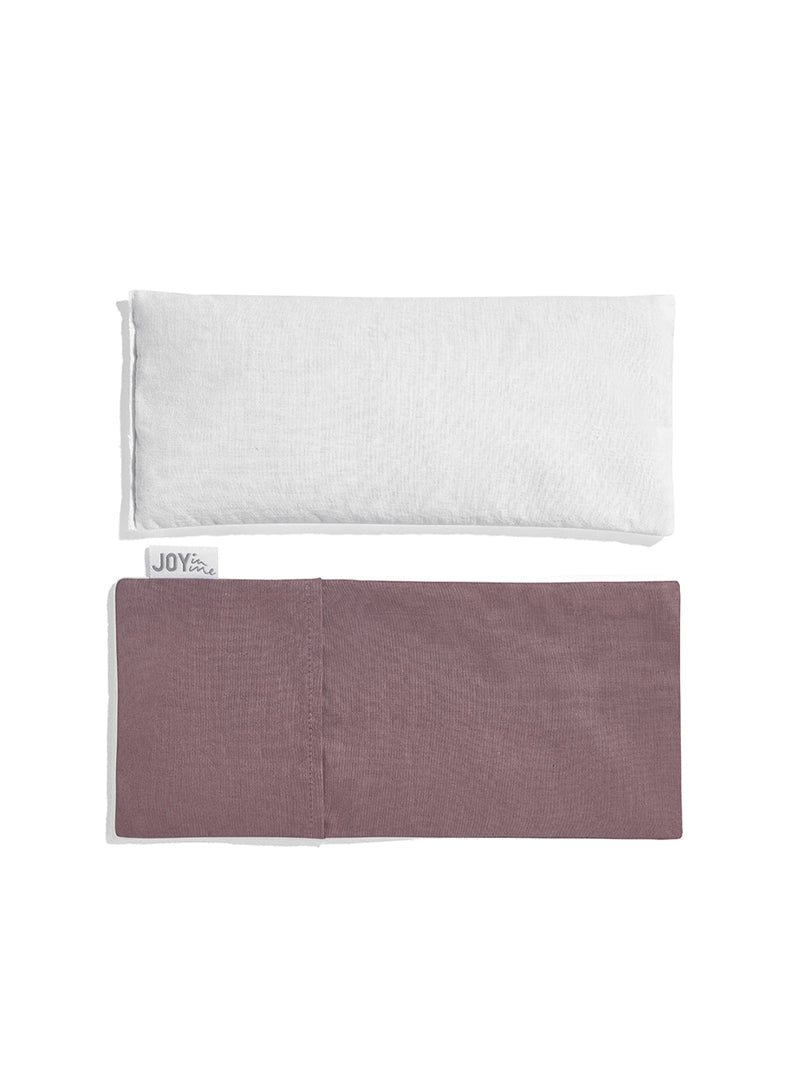
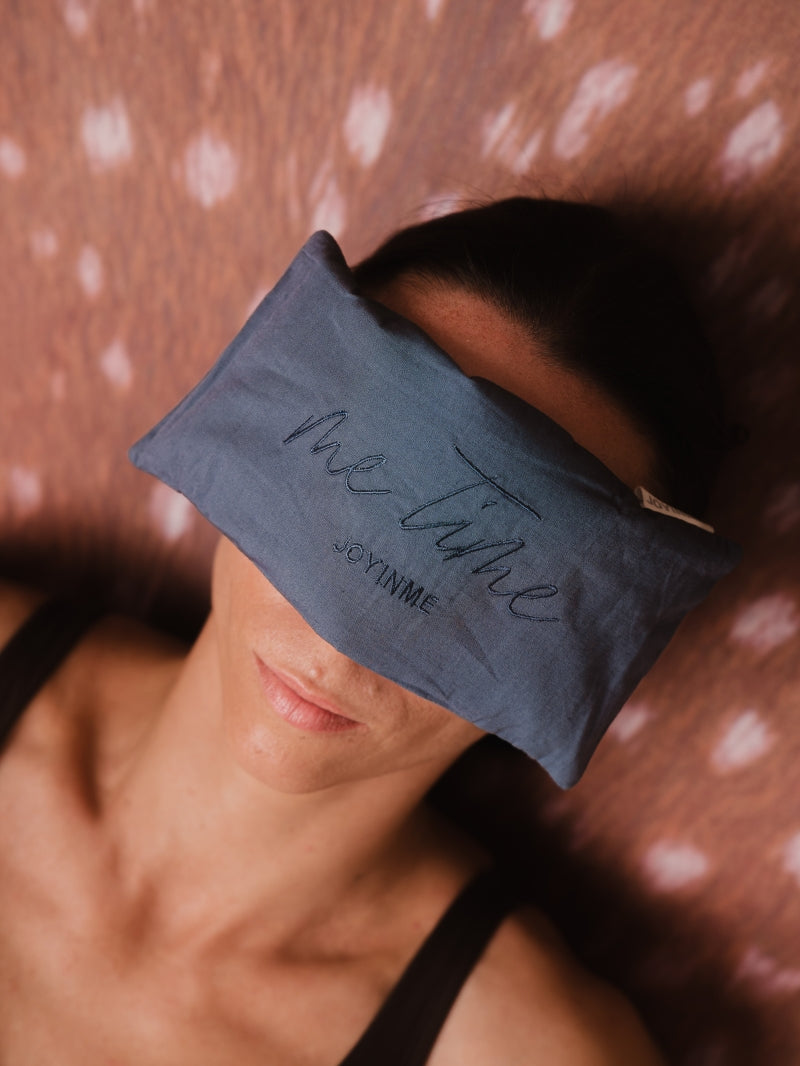
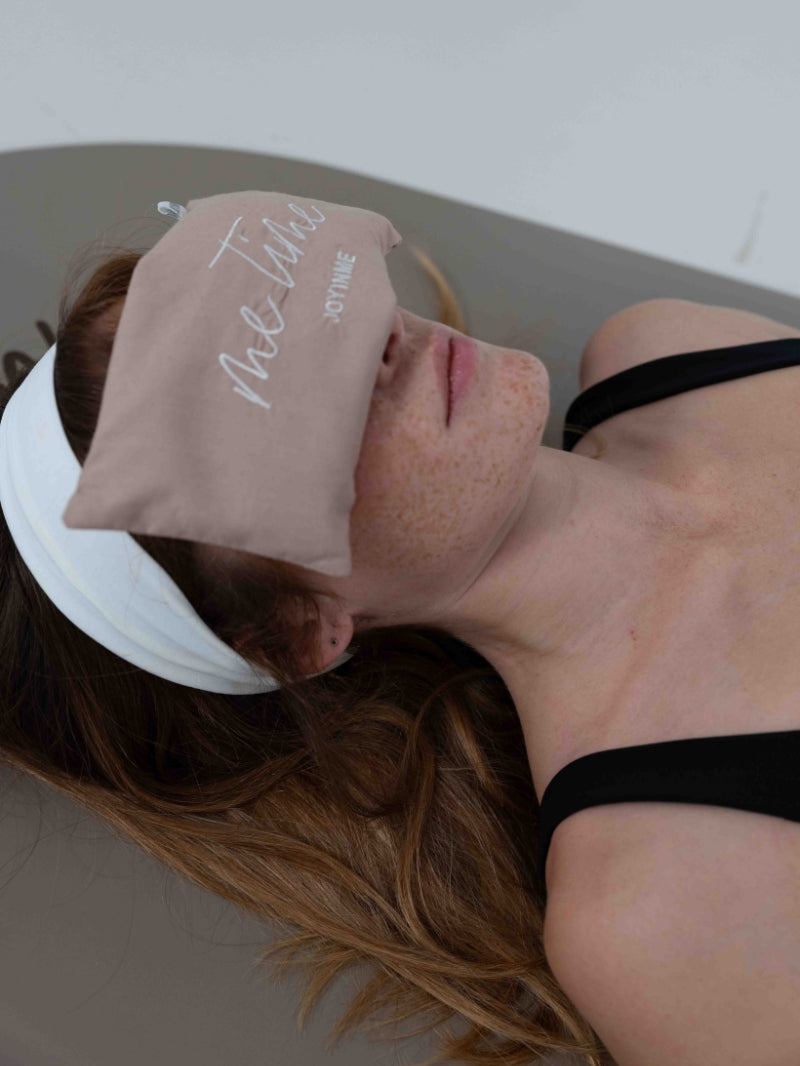
Meditation cushions and yoga bolsters make it easier to perform certain exercises, so it is worth getting them. They are a great way to diversify your practice, allow for variety, and most importantly in this case – they eliminate potential tension.





















Sleep mudra – techniques to facilitate falling asleep and improve sleep quality
A sleep mudra is a relaxation technique that can help with falling asleep and improving sleep quality. There are several types, but for insomnia, Gyan Mudra works best. To perform it, join the tips of your index finger and thumb, and keep the other fingers straight.
Relaxation for sleep and stress – breathing and meditation techniques
It is important to have a comprehensive approach to yoga practice. It is very important to combine the performance of asanas with breathing techniques (Pranayama) and meditation. Nadi Shodhana, or alternate nostril breathing, is one of the methods that leads to achieving a state of deep relaxation. The exercise consists of controlled breathing through one nostril at a time, while the other is blocked by your hand.
Yoga and meditation practice – who is yoga for good sleep for?
Yoga and meditation practice can be an invaluable help for people struggling with sleep problems. If someone suffers from chronic insomnia, they will often find relief specifically in relaxation and breathing techniques, which help prepare the body for sleep.
If you are dealing with both stress and chronic fatigue, yoga offers a temporary break from the daily hustle and bustle, allowing you to regain inner balance and peace.
People looking for natural methods to improve sleep quality can discover an effective tool for regulating their circadian rhythm in the practice of specific asanas. Incorporating a bedtime practice into your daily routine is a good solution for everyone who wants to improve their sleep hygiene.


