

Do you feel like your body has become stiff and classic post-workout stretching no longer brings relief? This could be a sign that your fascia needs attention. Imagine a practice that, instead of forcefully stretching muscles, focuses on releasing deep tension and "hydrating" tissues from within. With us, you will discover exactly what fascial yoga is, how to safely perform fascia exercises at home, and why a comfortable mat is your most important ally on the path to flexibility. Get ready for a completely different dimension of recovery.
Fascial yoga – what is it and how does it affect your body?
Fascial yoga is a practice that focuses on stimulating the connective tissue that wraps around our entire body. To understand how it works, we must first get to know the main protagonist – the fascia. Fascia is a flexible membrane composed mainly of collagen and elastin that forms an internal, three-dimensional network supporting muscles, organs, and bones. It can be compared to a precisely woven internal "web" that gives the body its shape and coherence.
When we lead a sedentary lifestyle, experience stress, or repeat the same movement patterns, our fascial network can become stiff and "glued" together. By holding passive poses for long periods, fascial yoga exerts gentle, constant pressure on these tissues.
This process stimulates the "hydration" of the fascia, restoring its glide and elasticity. As a result, we are not just working on stretching muscles, but on the mobility of the entire tissue structure, which translates into a deeper release of tension in the body.
Fascial yoga vs. Yin yoga – are they the same style?
Although fascial yoga and Yin yoga are often used interchangeably, they are not identical. Their common denominator is the long duration in poses, usually from 2 to even 7 minutes, which allows stimuli to reach deeper tissue layers. However, their philosophy and goal differ slightly.
Yin yoga has its roots in the Taoist tradition and focuses on stimulating meridians, or energy channels in the body. In turn, fascial yoga, often referred to as fascial Yin yoga, places a stronger emphasis on anatomy and working with specific myofascial meridians.
Such fascial training is more oriented toward the functional release of tension in specific areas, such as the hips, lower back, or shoulder girdle. It is a tool for conscious fascial recovery that perfectly complements more dynamic forms of movement.
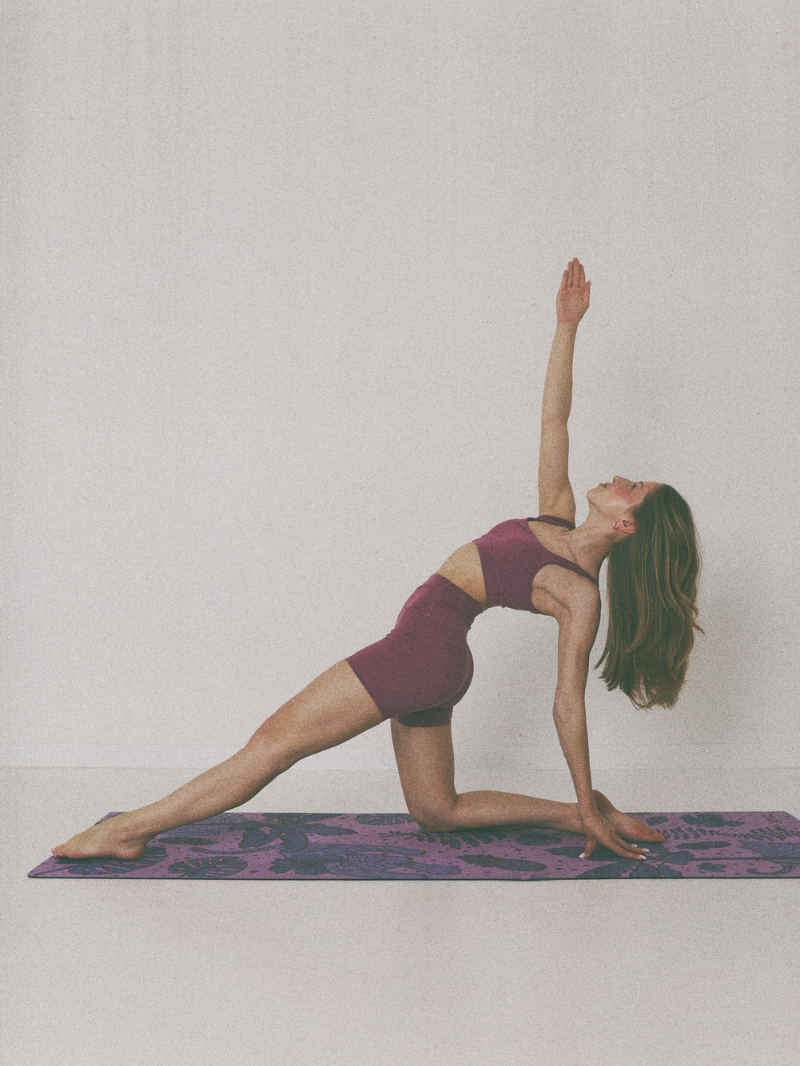



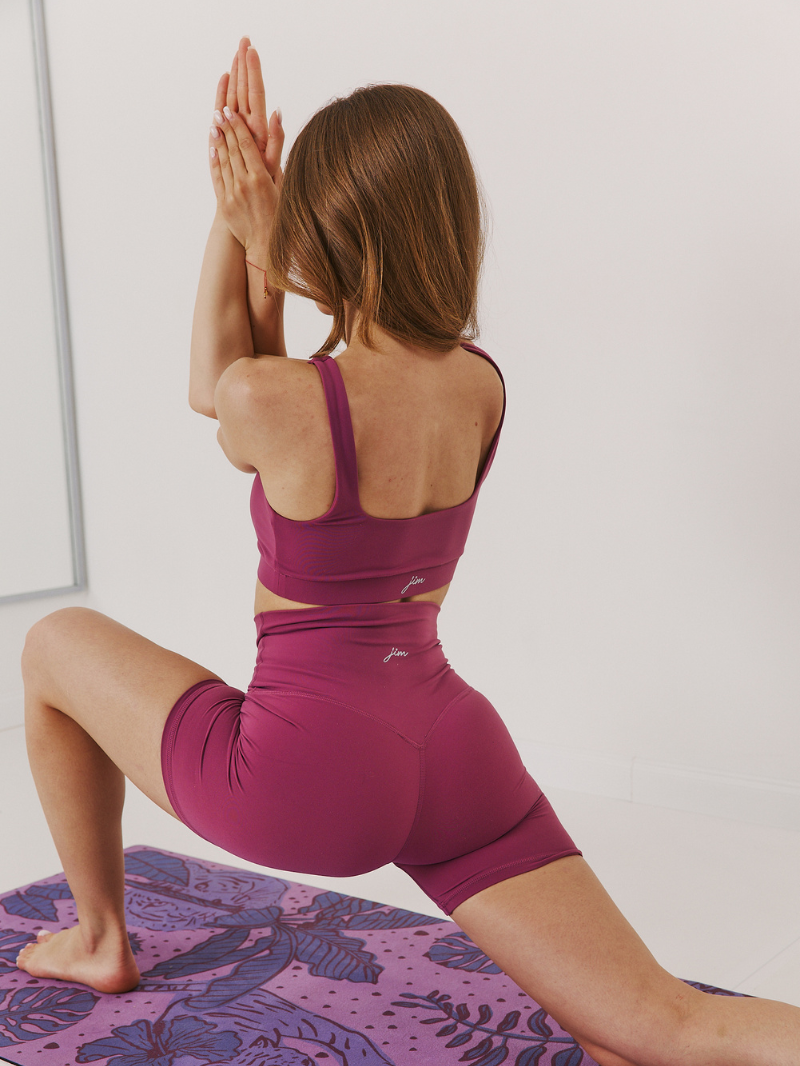
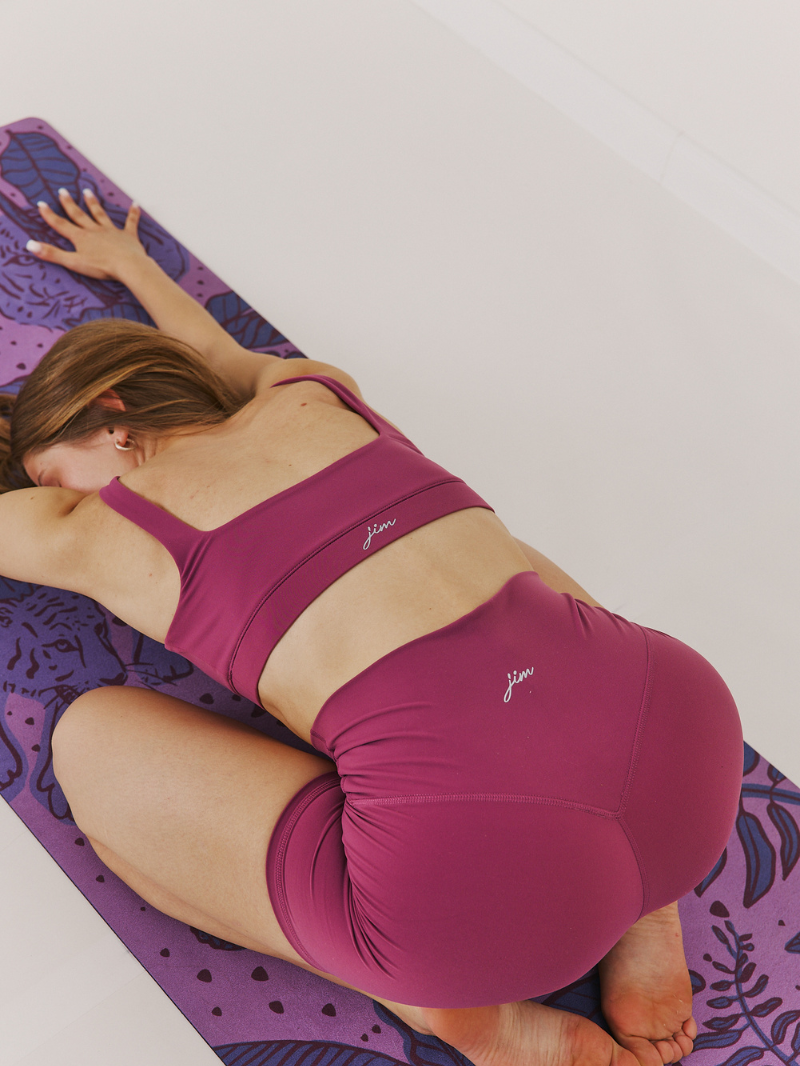
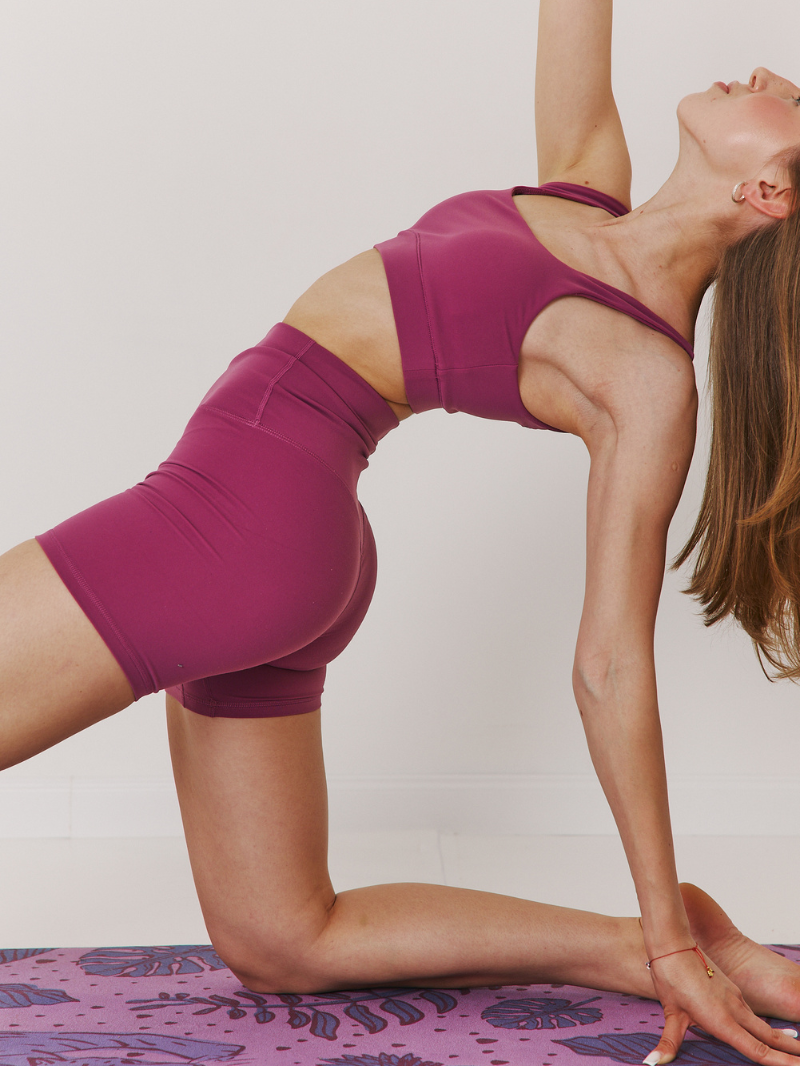
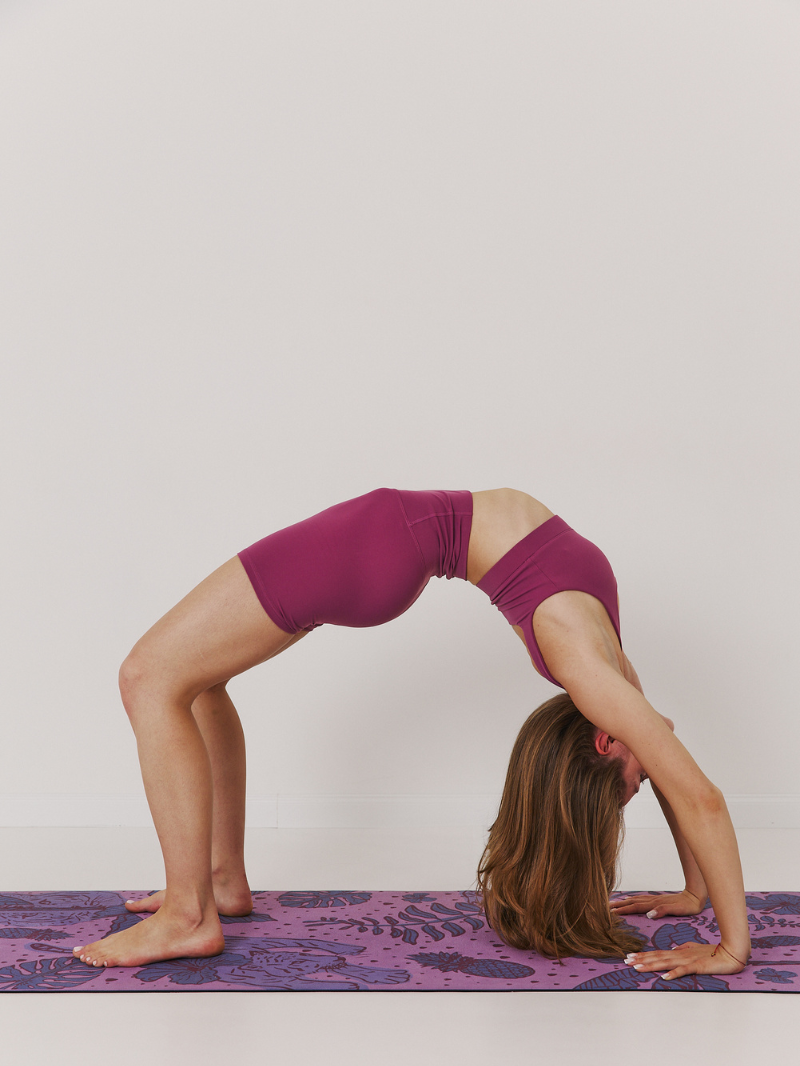



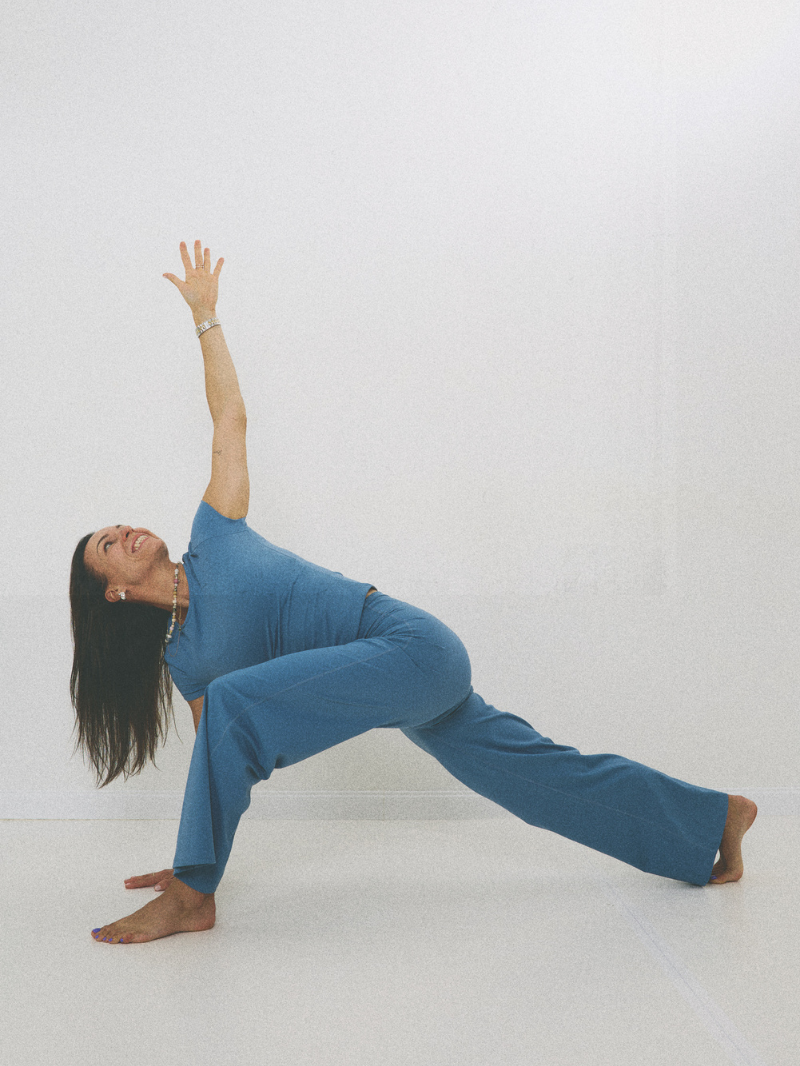
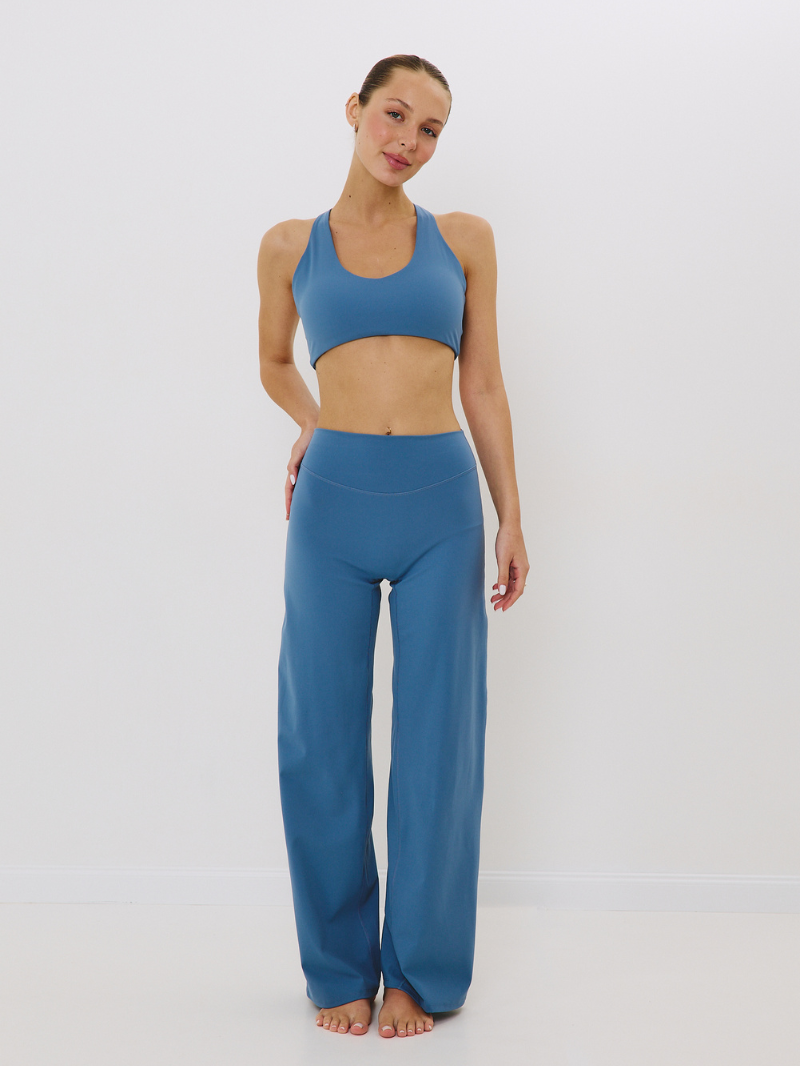
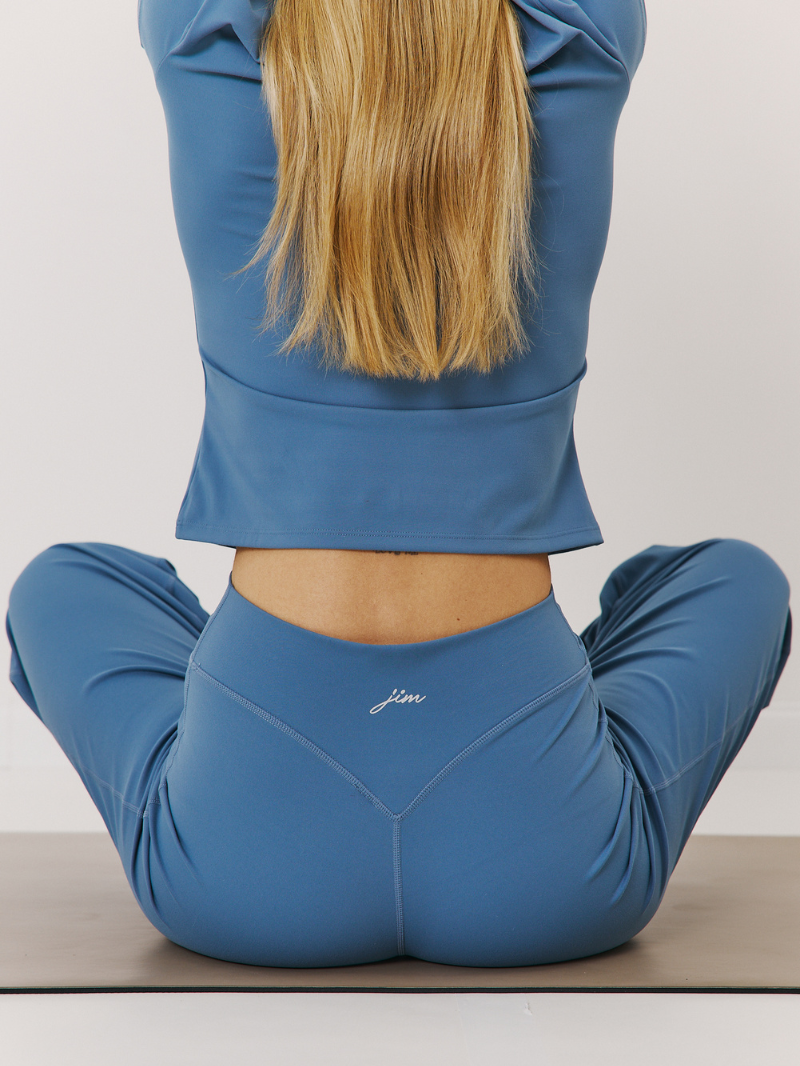
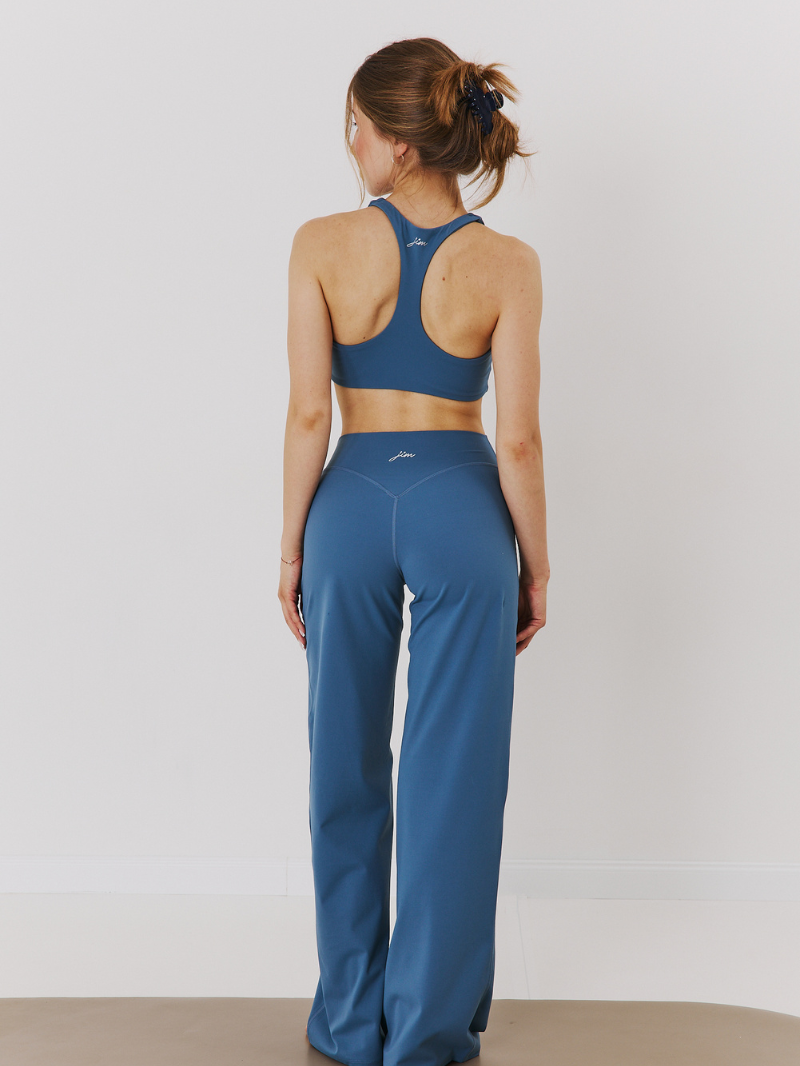

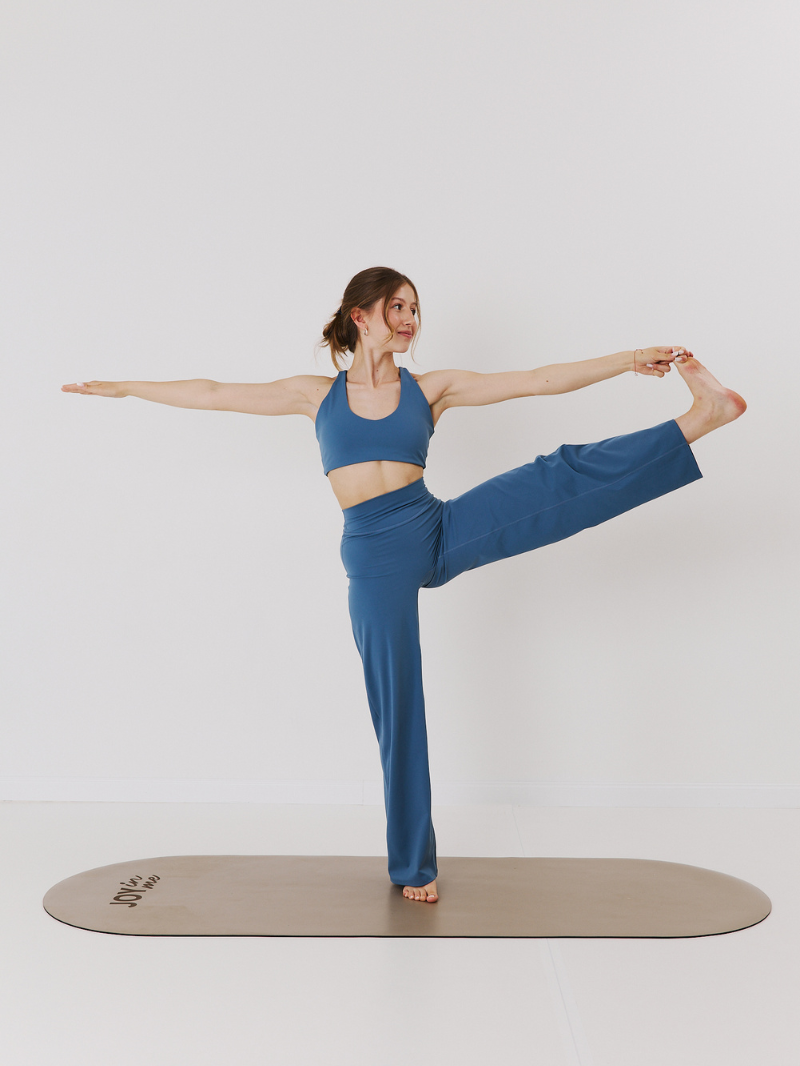

Most effective fascia exercises – fascial yoga in your training plan with JOYINME!
Let's move on to the practice! The following yoga poses are the foundation of fascial training that you can easily do at home. Remember that in these exercises, we do not aim for the maximum range of motion. The most important thing is finding the boundary of comfortable resistance and completely relaxing the muscles so that the pressure reaches the fascia.
Sensations can be intense, but they should never turn into sharp pain. Listen to your body and remain in each pose for the indicated time, breathing calmly and deeply.
Sphinx and Seal Pose – relief for the spine and chest
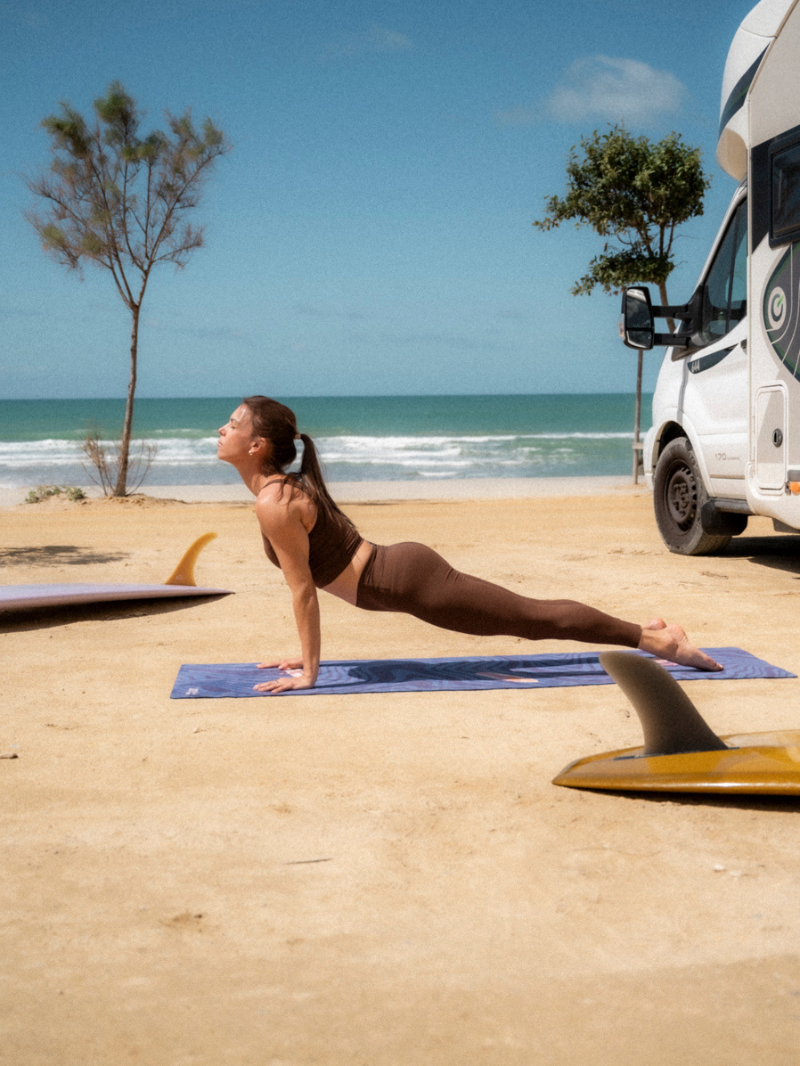
This fascial exercise is a godsend for people who spend many hours in a seated position. Lie on your stomach and prop yourself up on your forearms, placing your elbows under your shoulders – this is the Sphinx pose. Relax your glutes and lower back, allowing the gentle arch to stimulate the lumbar region.
If you feel comfortable, you can move to a deeper version – the Seal pose – by straightening your arms and pushing up onto your hands. This pose wonderfully opens the front of the body and stretches the chest fascia. Remain in your chosen version for a minimum of 3 minutes.
Butterfly Pose – hip opening and fascial stretching of the legs
Stiffness in the hips is a common problem, and the Butterfly pose addresses it effectively. Sit on your mat, join your feet, and allow your knees to fall freely to the sides. Unlike dynamic yoga styles, here we do not press the knees to the ground.
Instead, we let gravity do the work gently. You can remain upright or fold your torso forward, resting your head on a cushion. You will feel a stretch in the groin and inner thighs, which will bring relief to the fascia in the pelvic region. Hold for 3–5 minutes.
Snail Pose – intensive stretching of the posterior chain
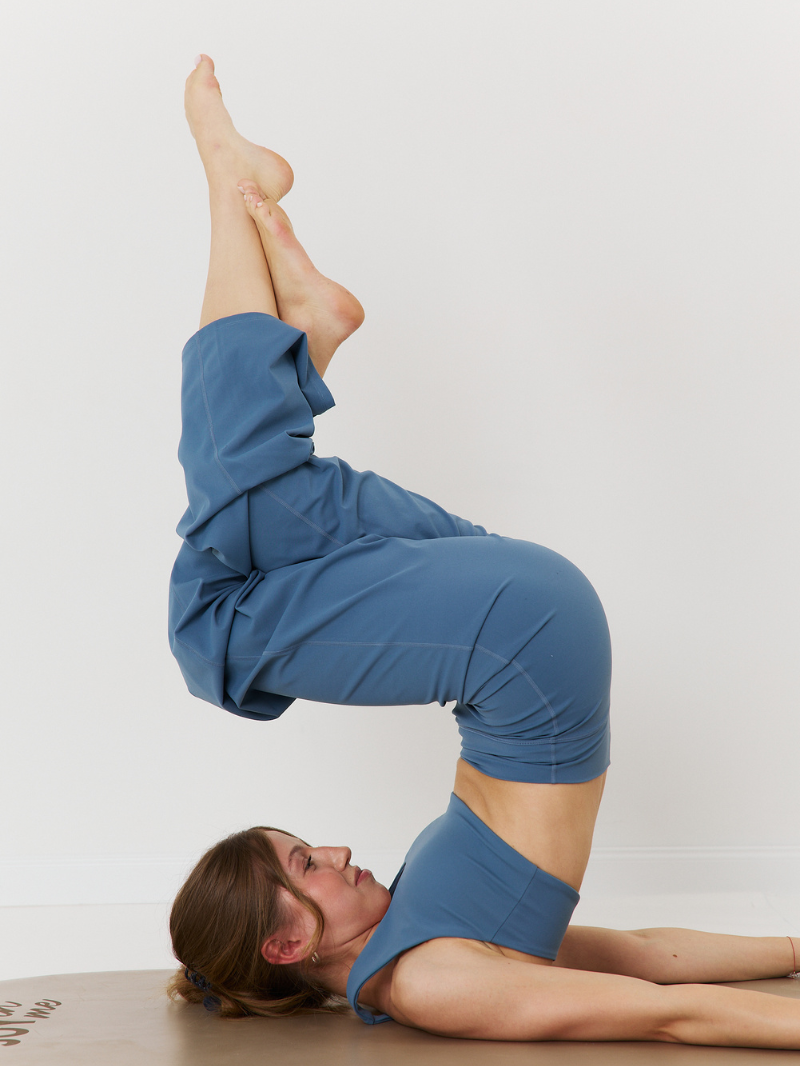
The Snail pose is a deep fascial stretch for the entire back, from the neck down to the lower spine. Lying on your back, bring your legs behind your head as in the classic plow pose, but with one important difference: the back remains rounded, and the knees can be bent.
This fascia exercise requires special caution – ensure that your body weight is supported by your shoulders, not your neck. The Snail is fantastic at releasing tension accumulated along the posterior fascial chain. Remain in the pose for 2–4 minutes, coming out of it very slowly, vertebra by vertebra.
Fascial yoga at home – how to create the conditions for a chilled practice?
In fascial yoga, comfort is a strategic necessity. Remaining in one position for a long time makes appropriate accessories your allies on the path to deep relaxation.
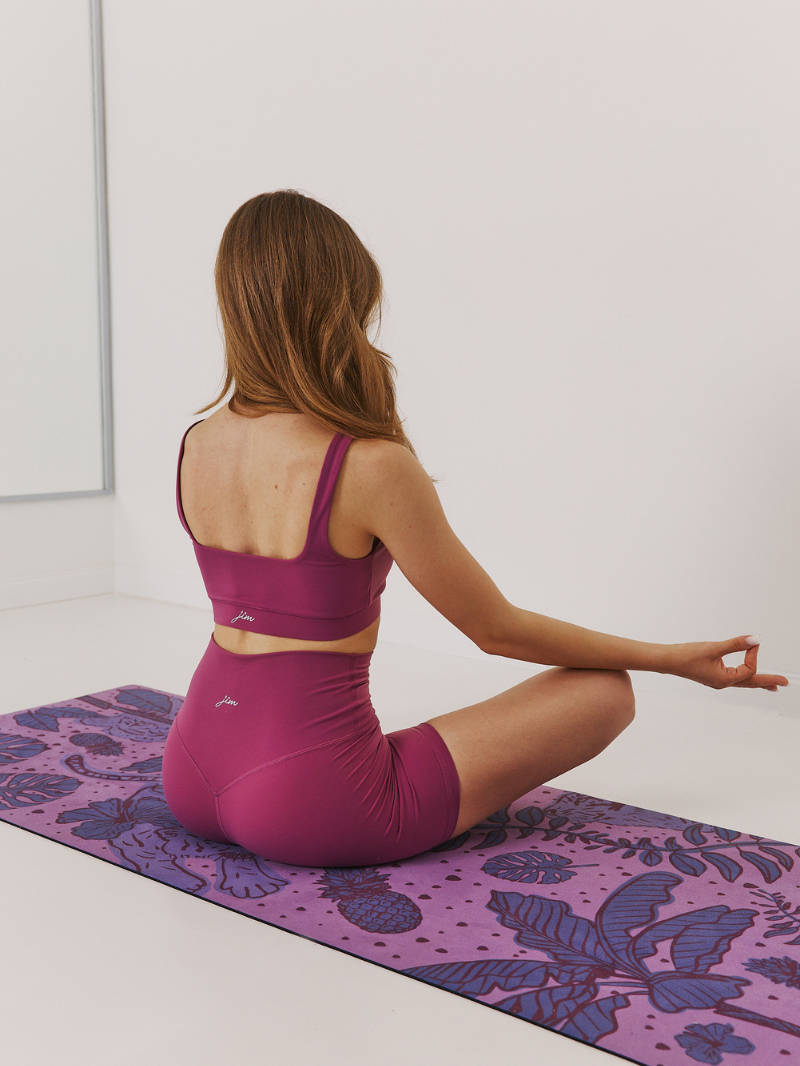
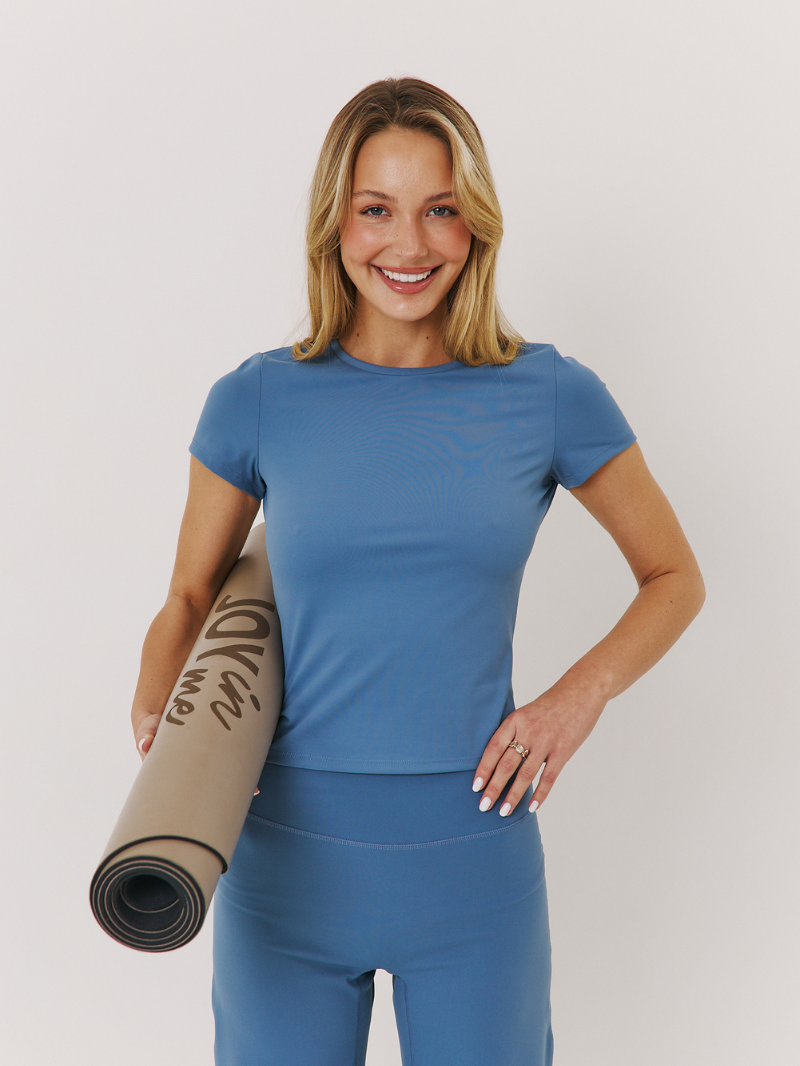
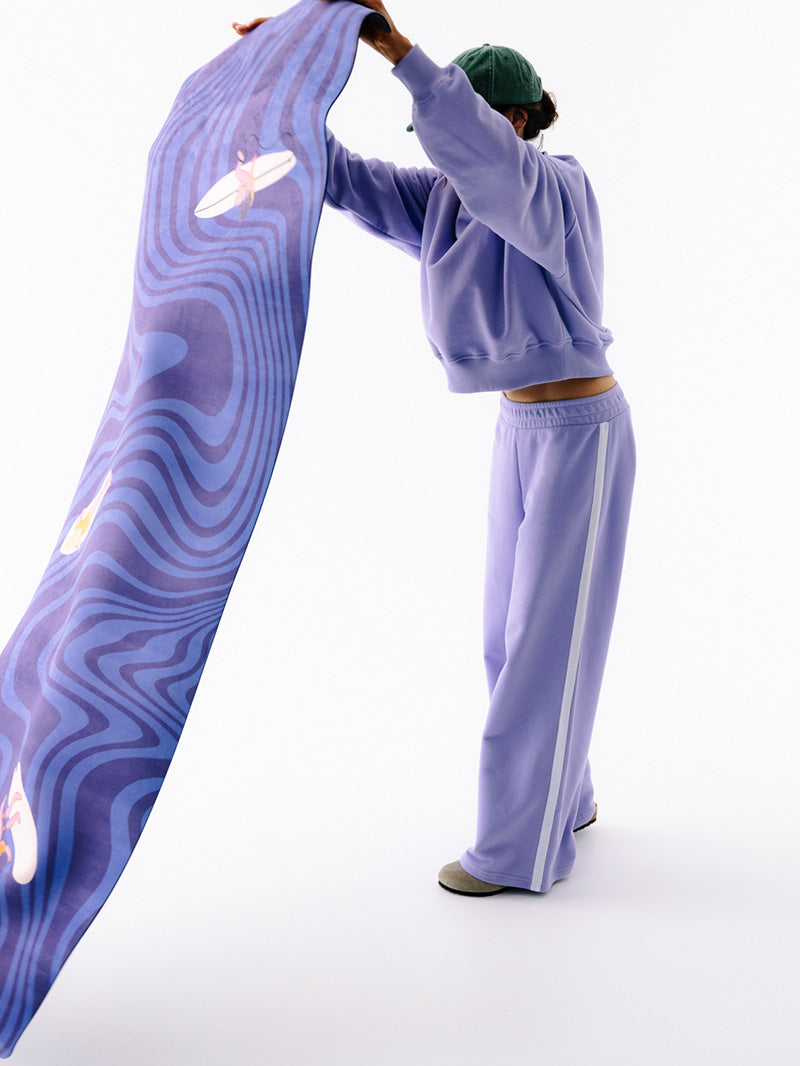
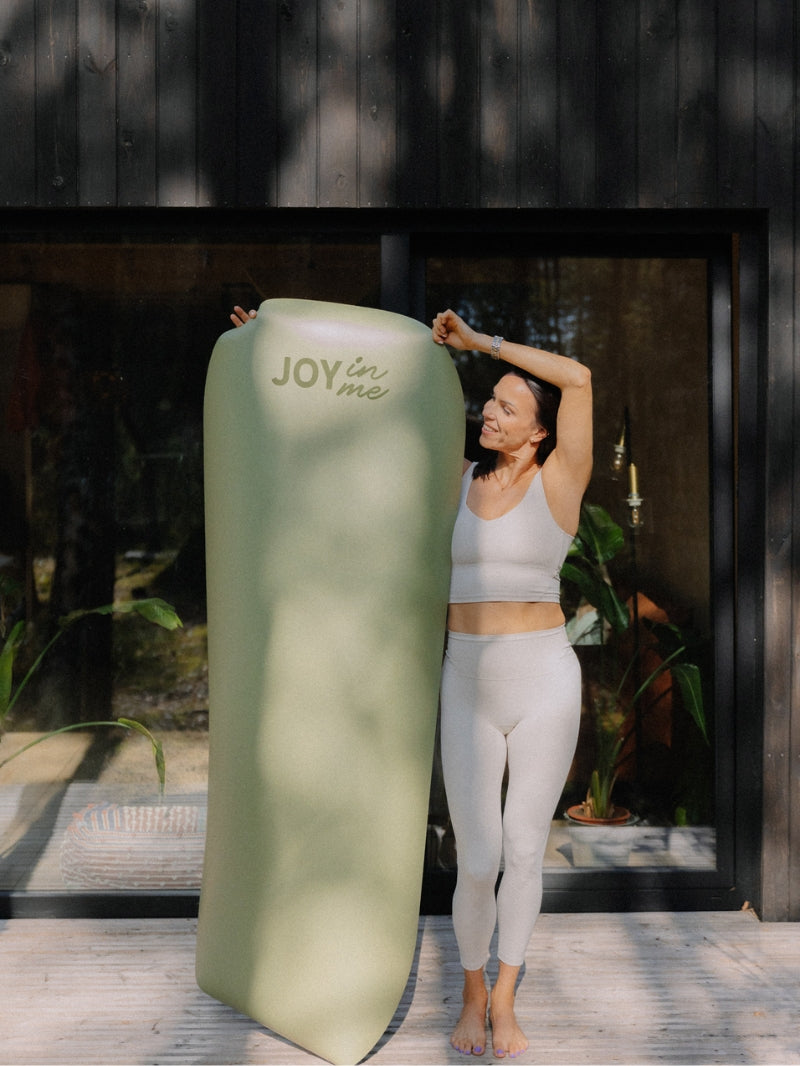
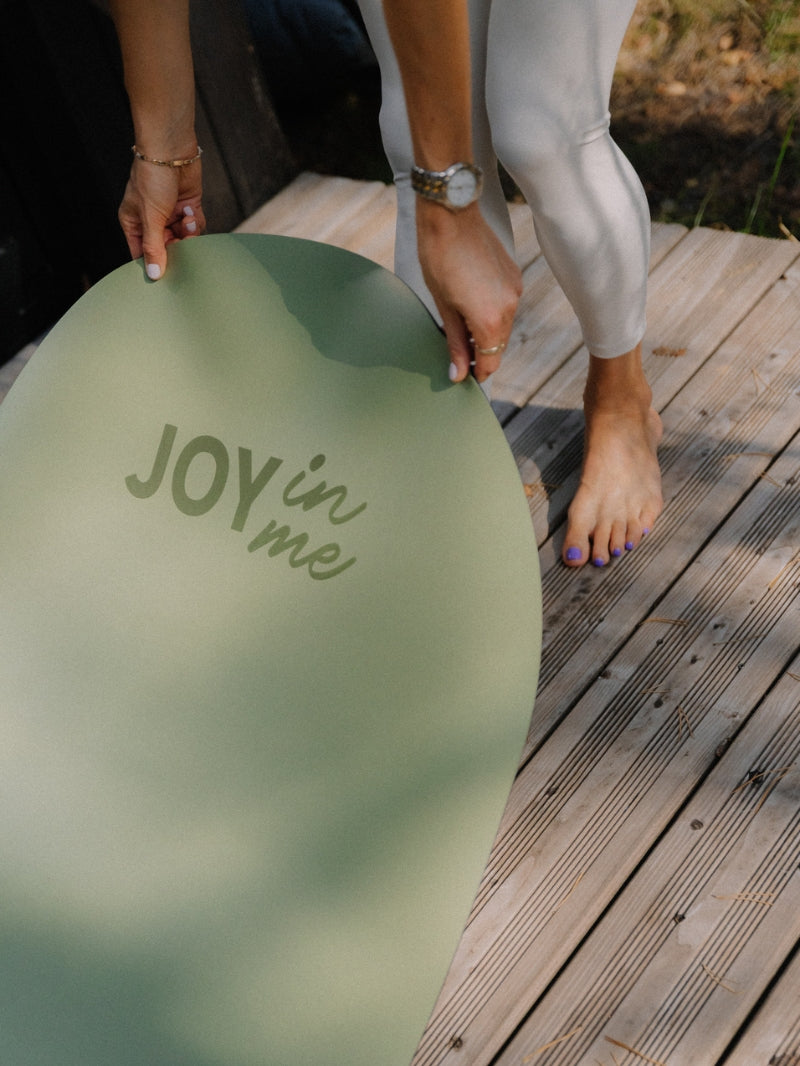
First: a comfortable yoga mat. When you rest your body weight on your knees, hips, or spine for several minutes, you need proper cushioning. Thin (or non-supportive) fitness mats can cause discomfort, which will distract you from the sensations in your body. A thicker mat provides protection and allows you to fully surrender to the pose.
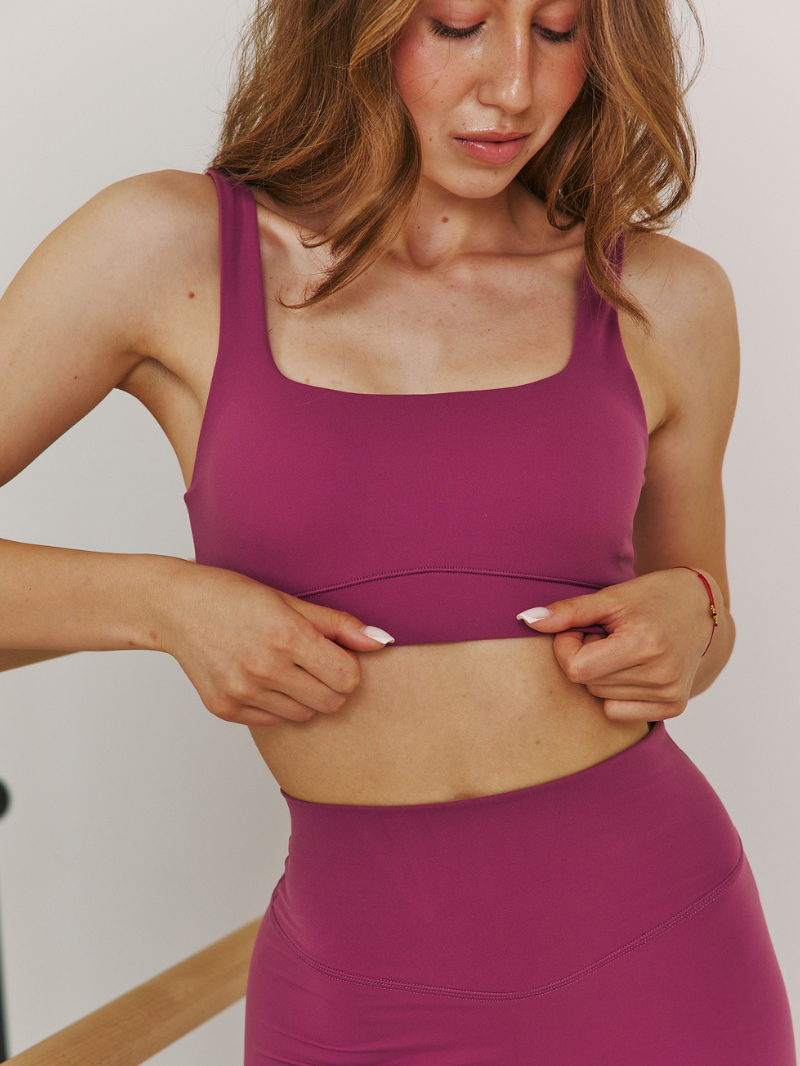
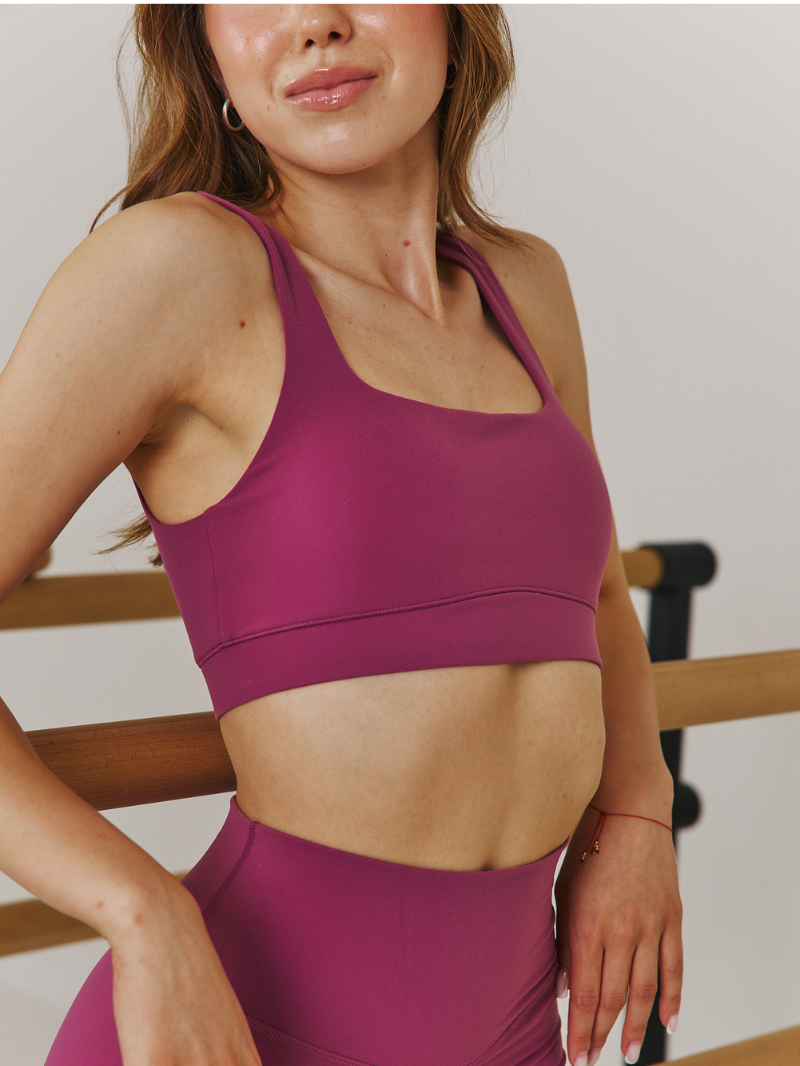
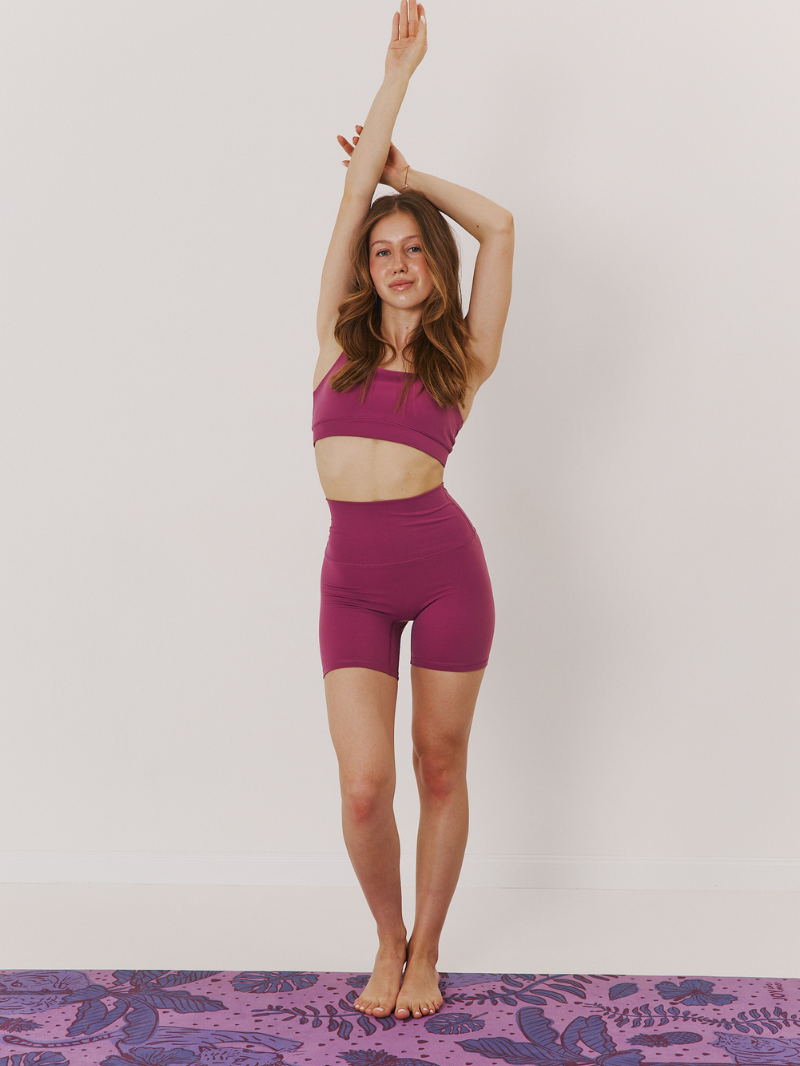
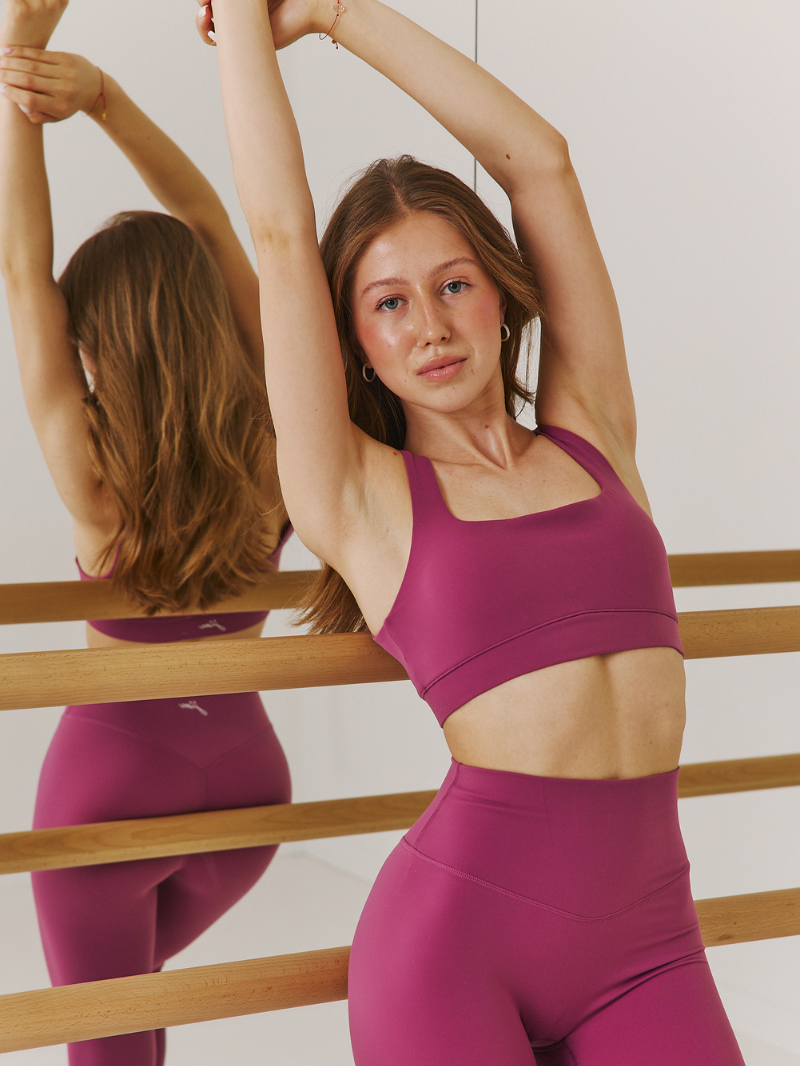
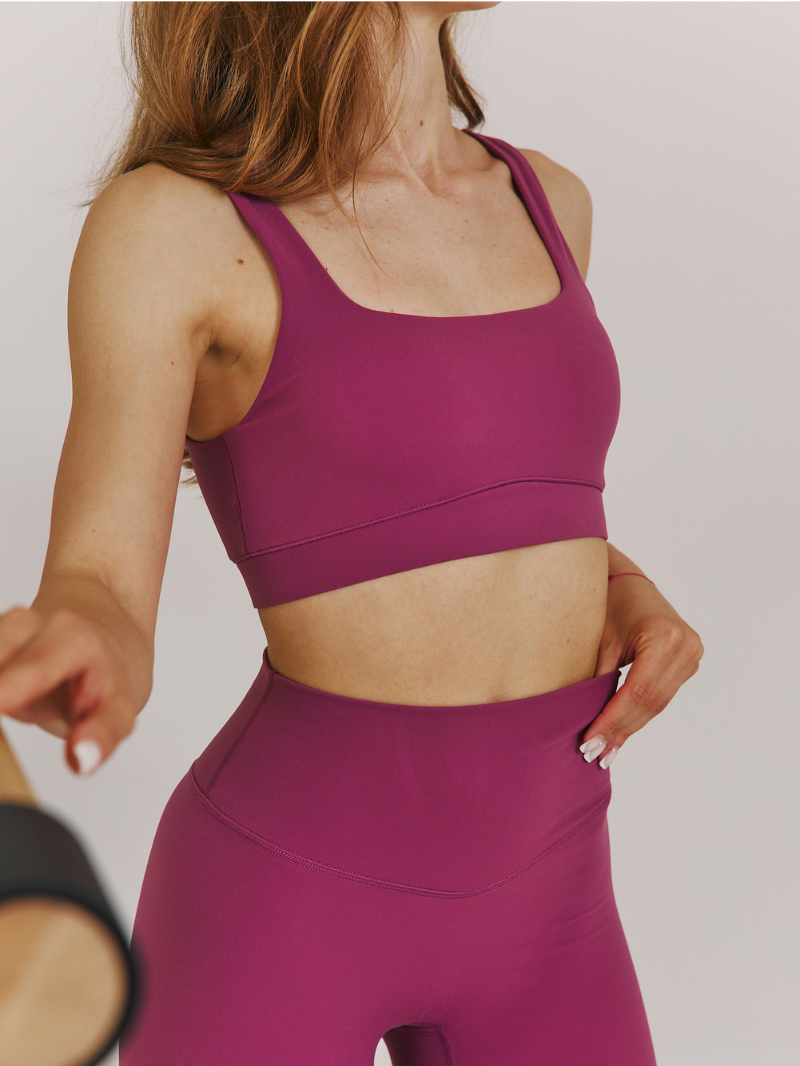
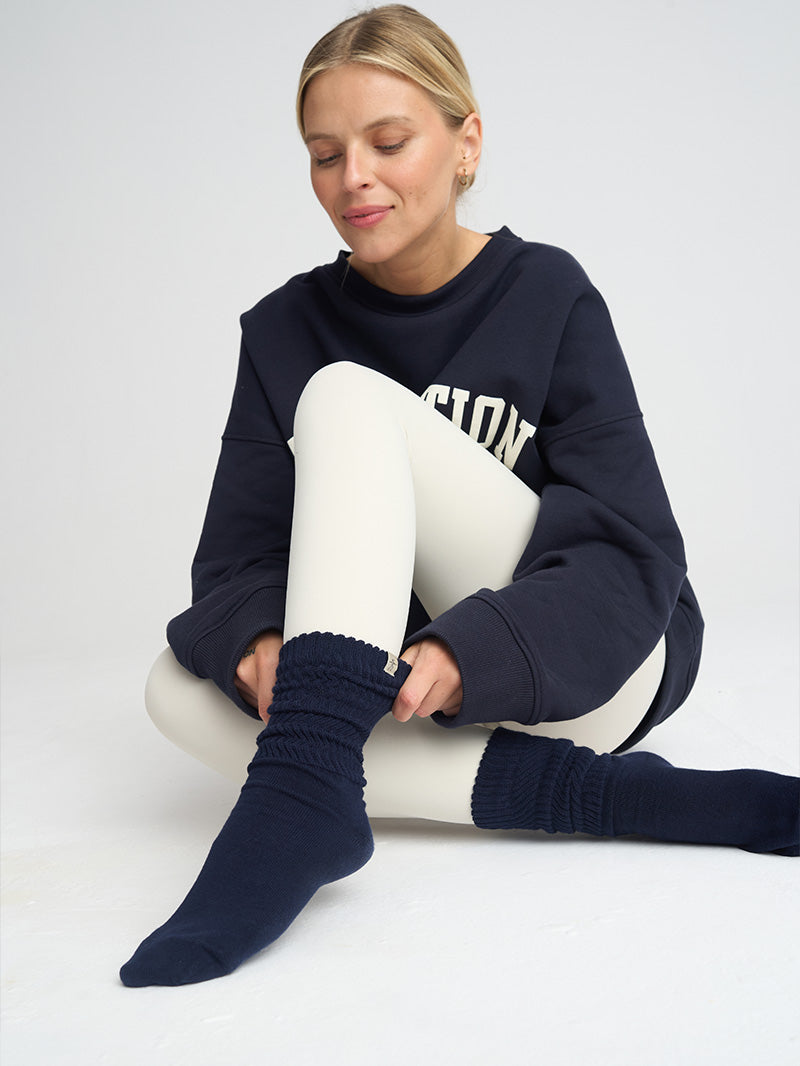
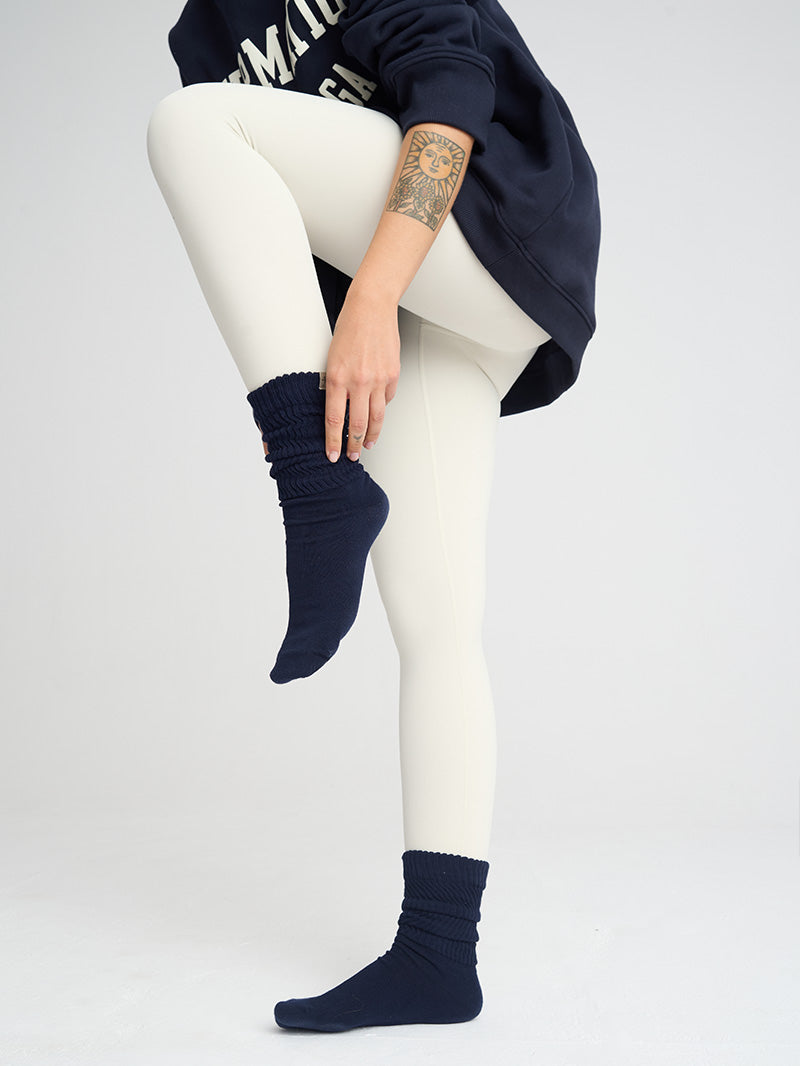
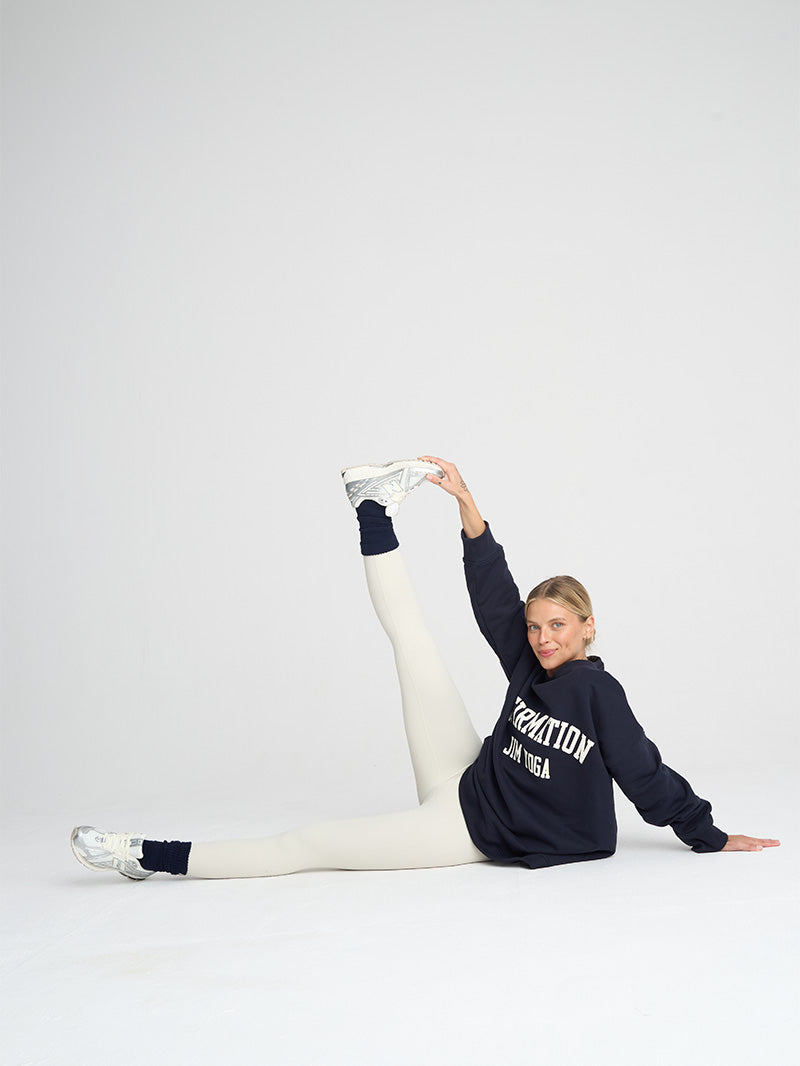
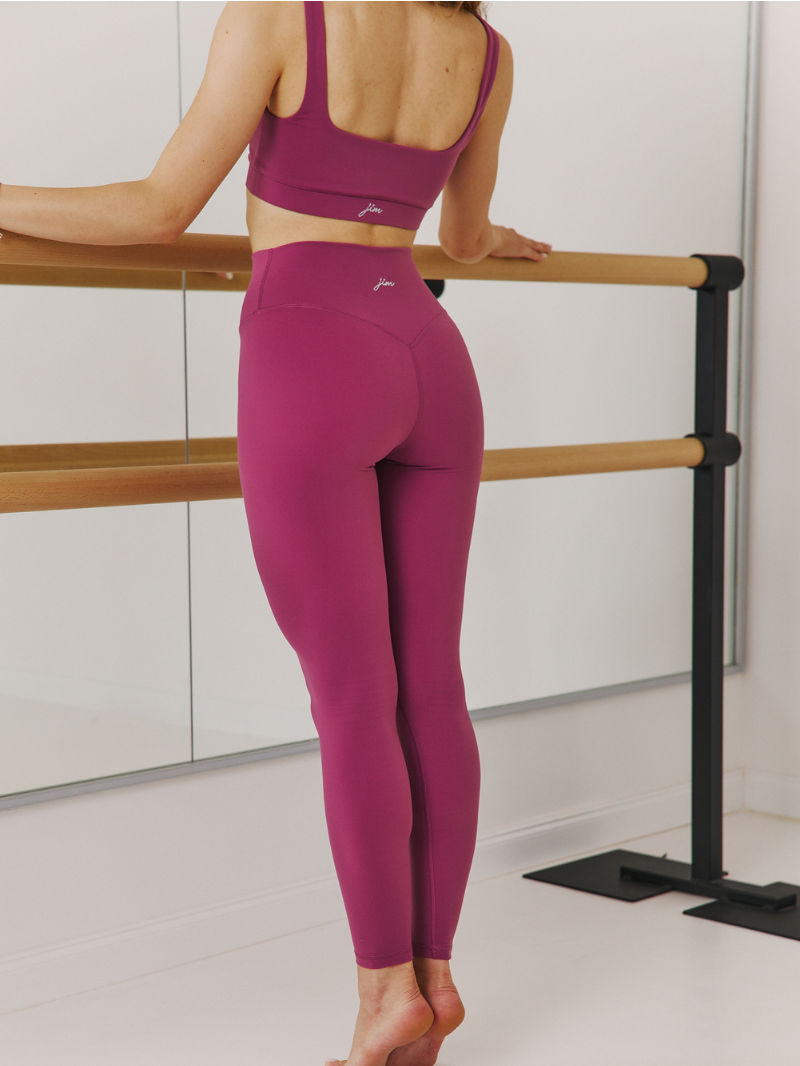
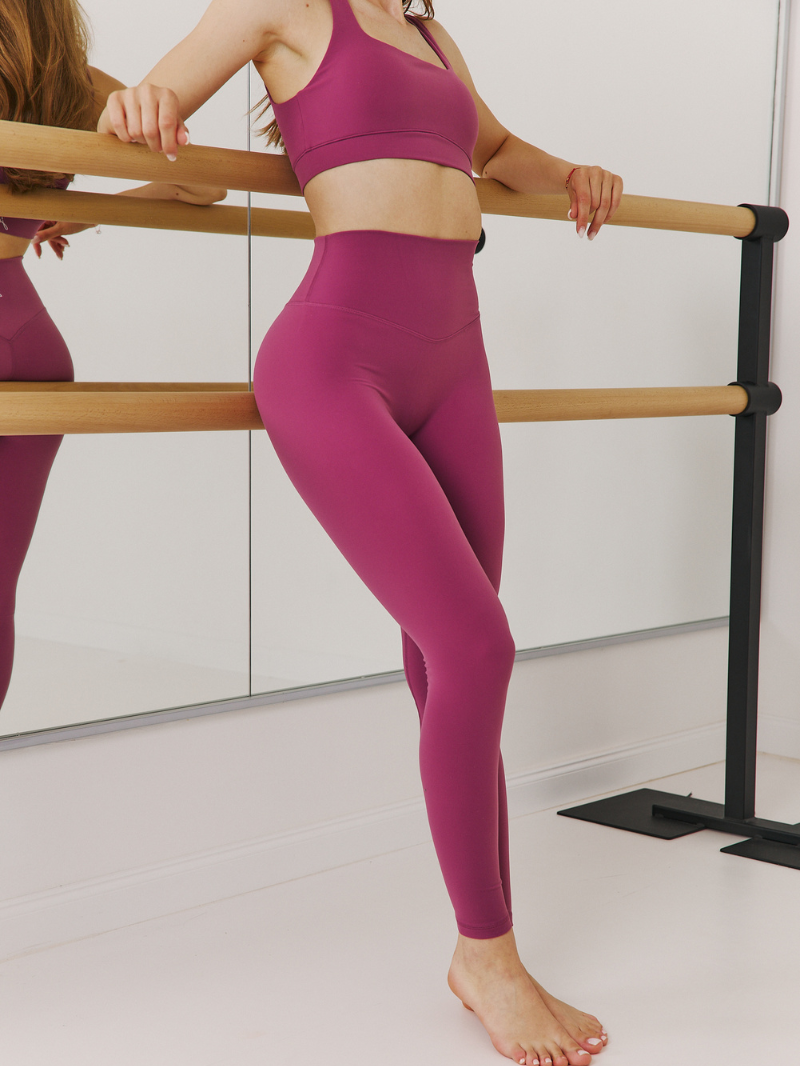
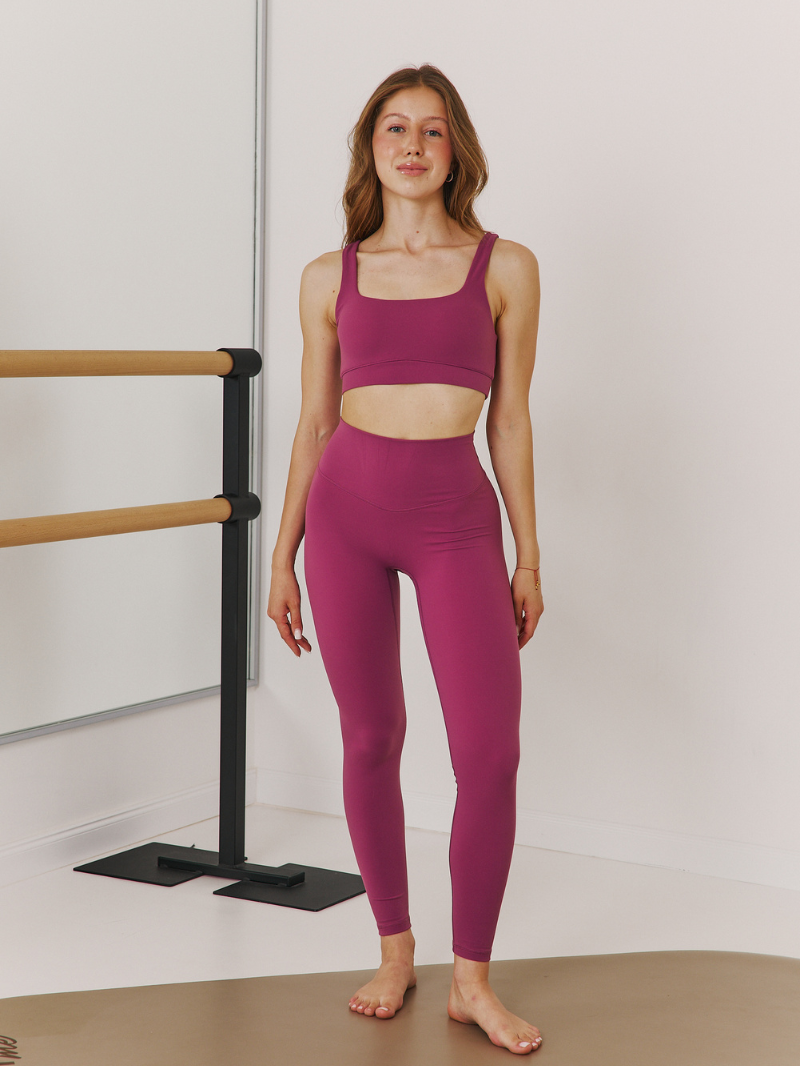
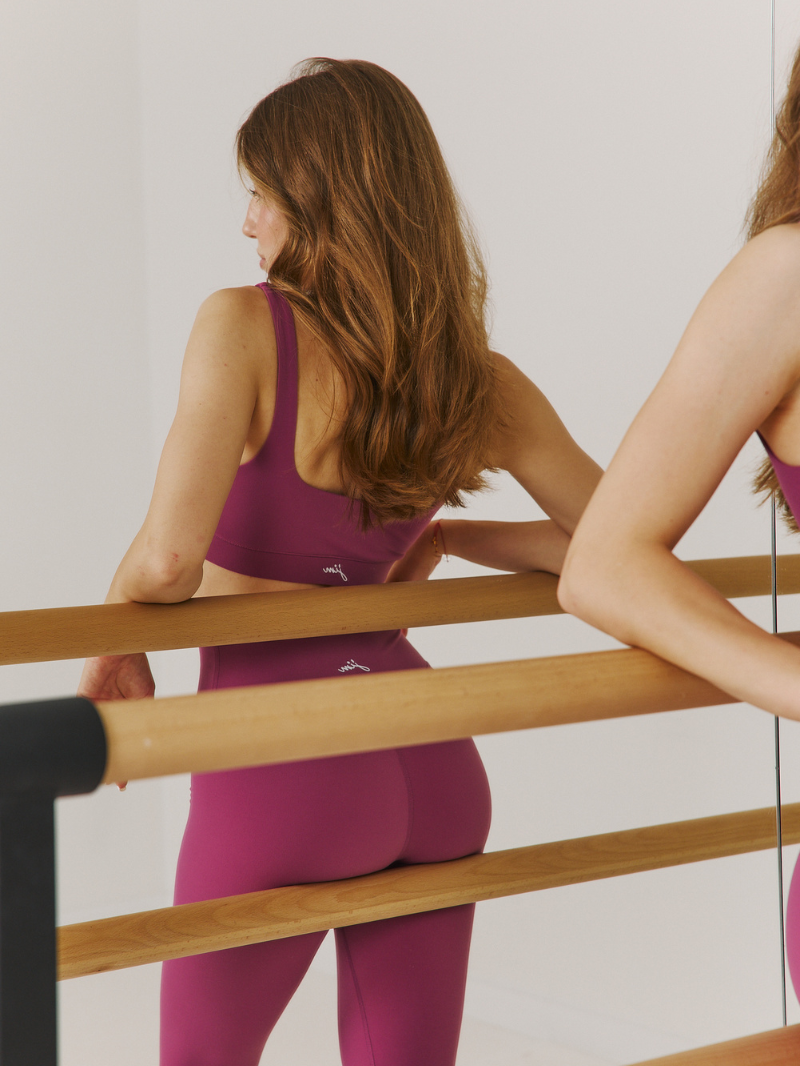
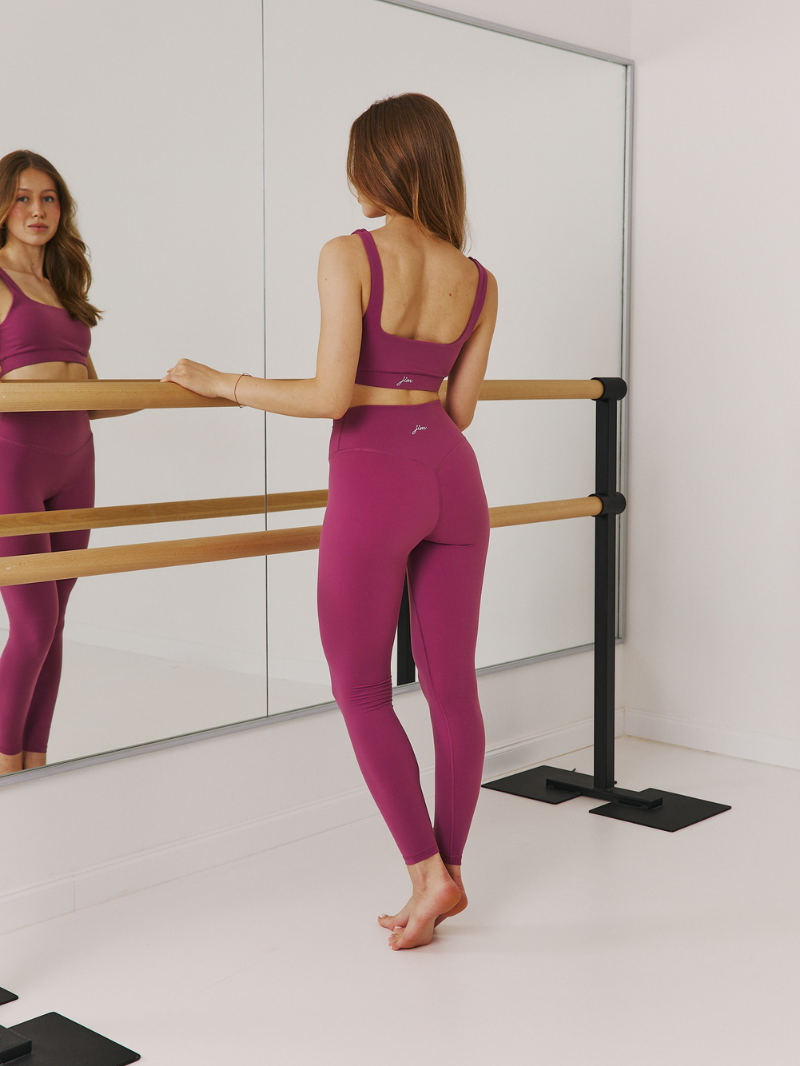
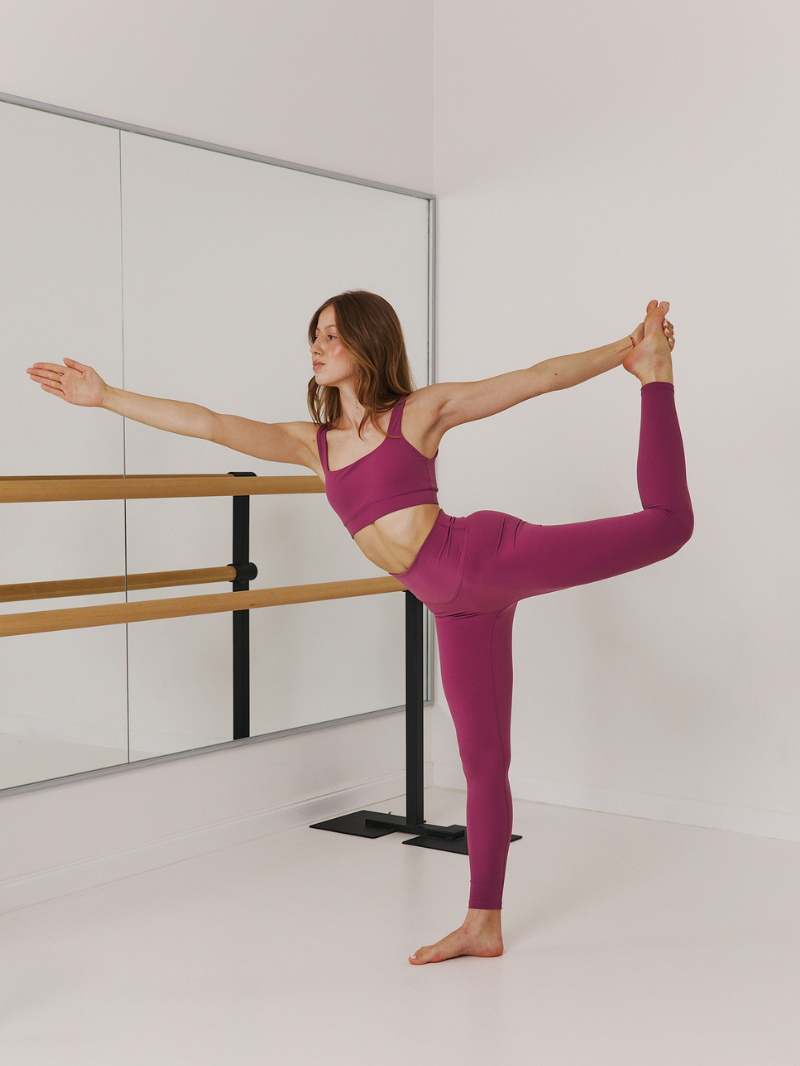
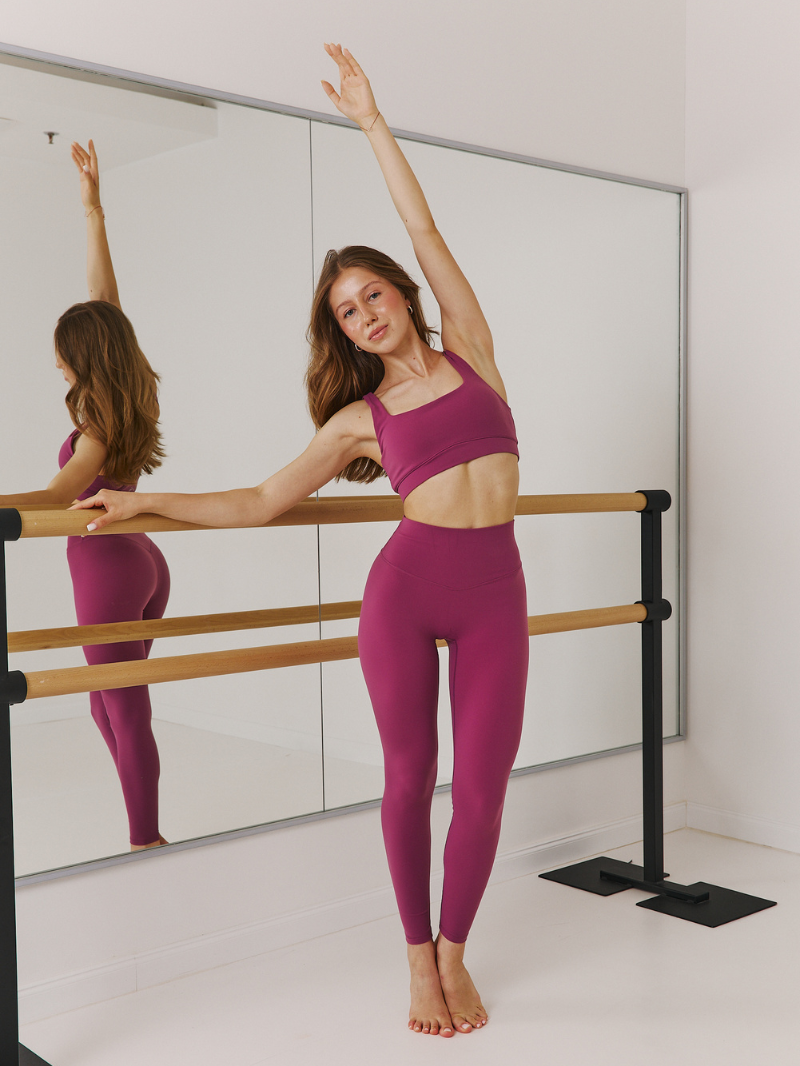
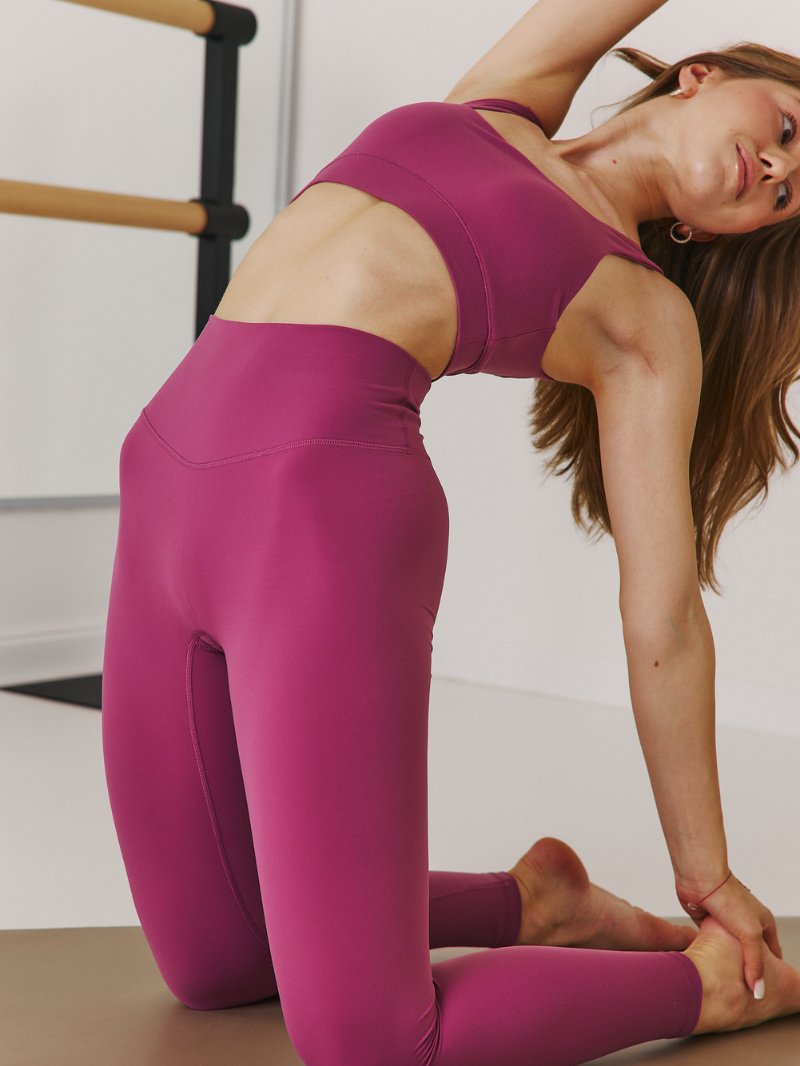
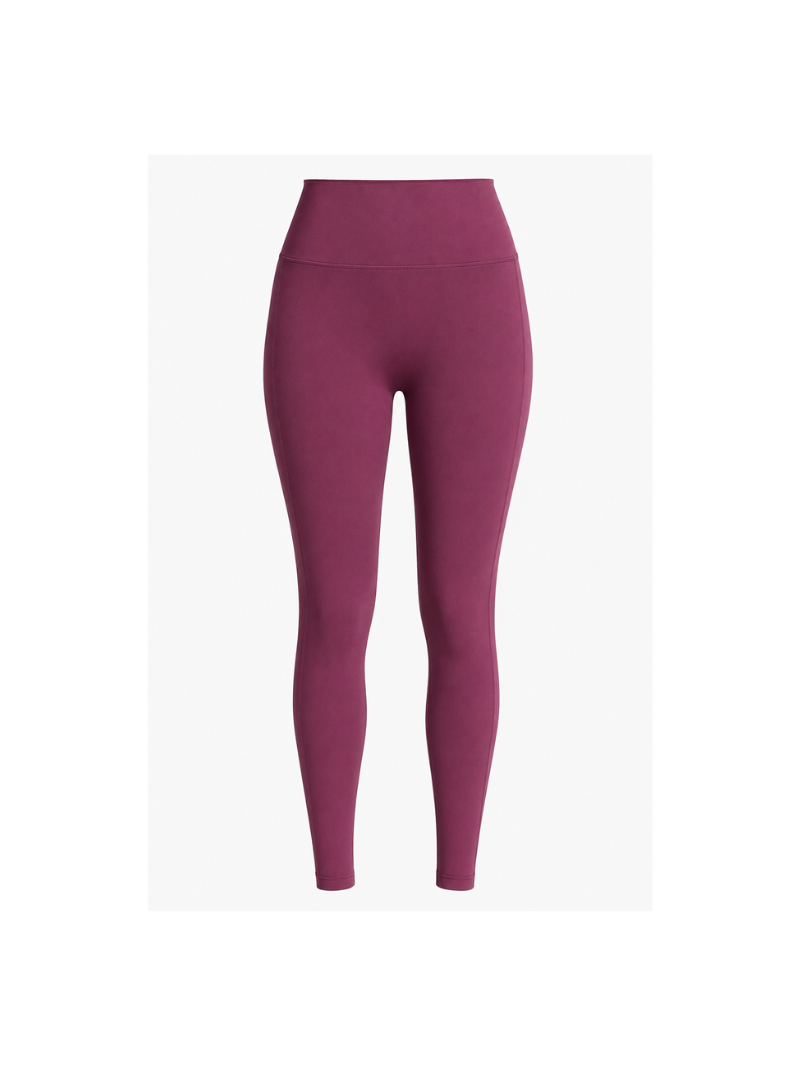
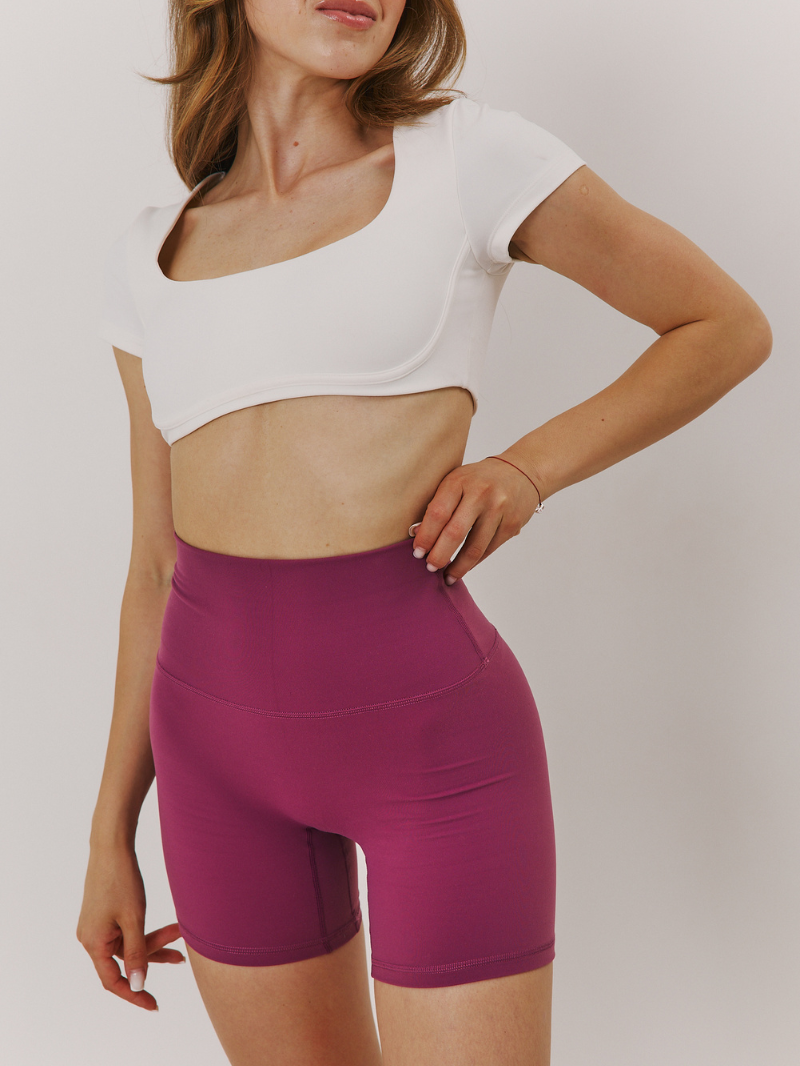
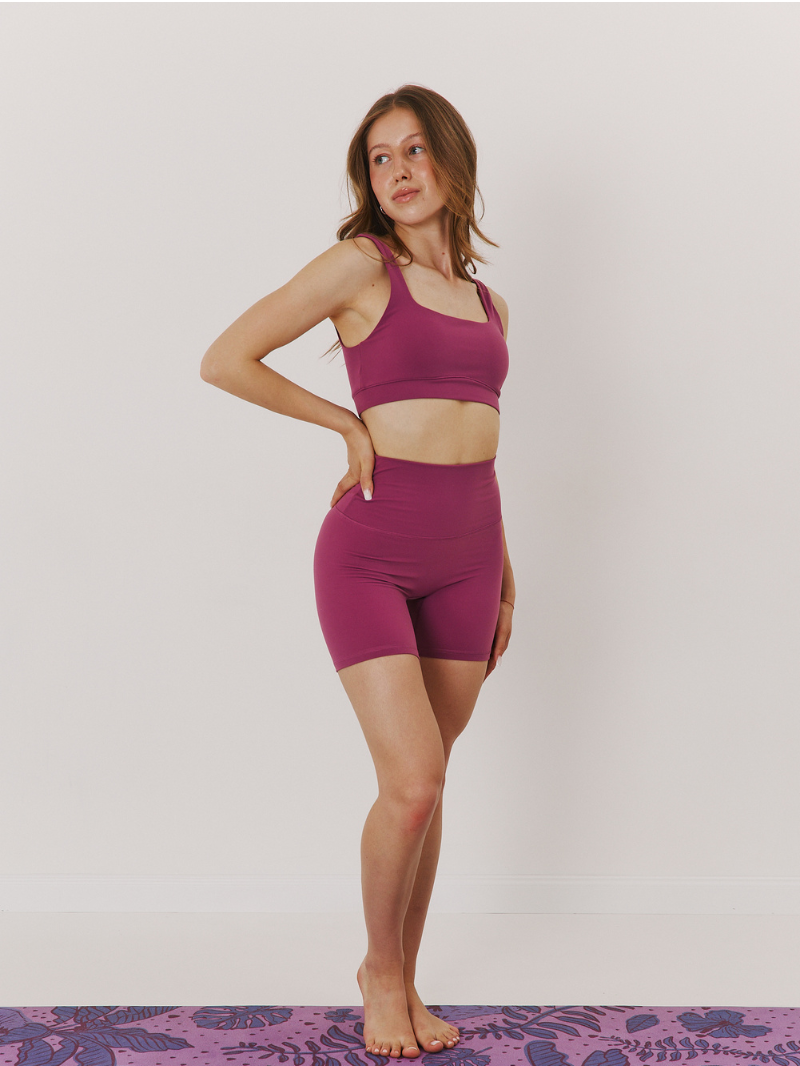
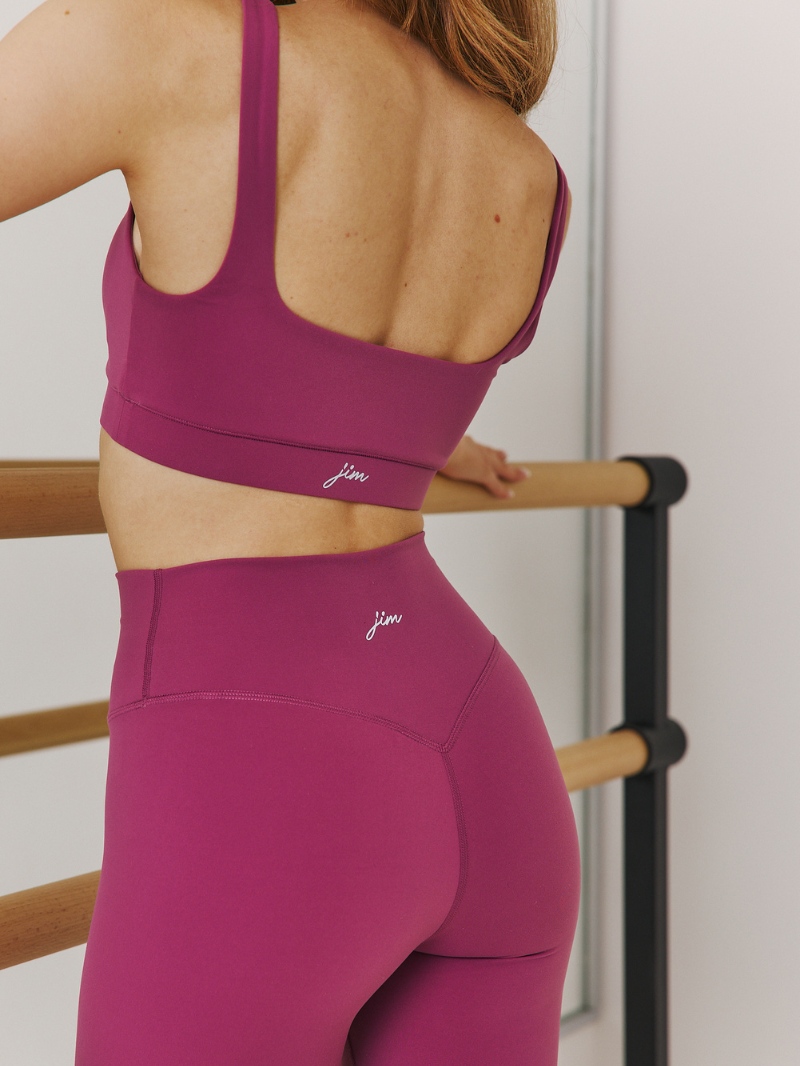
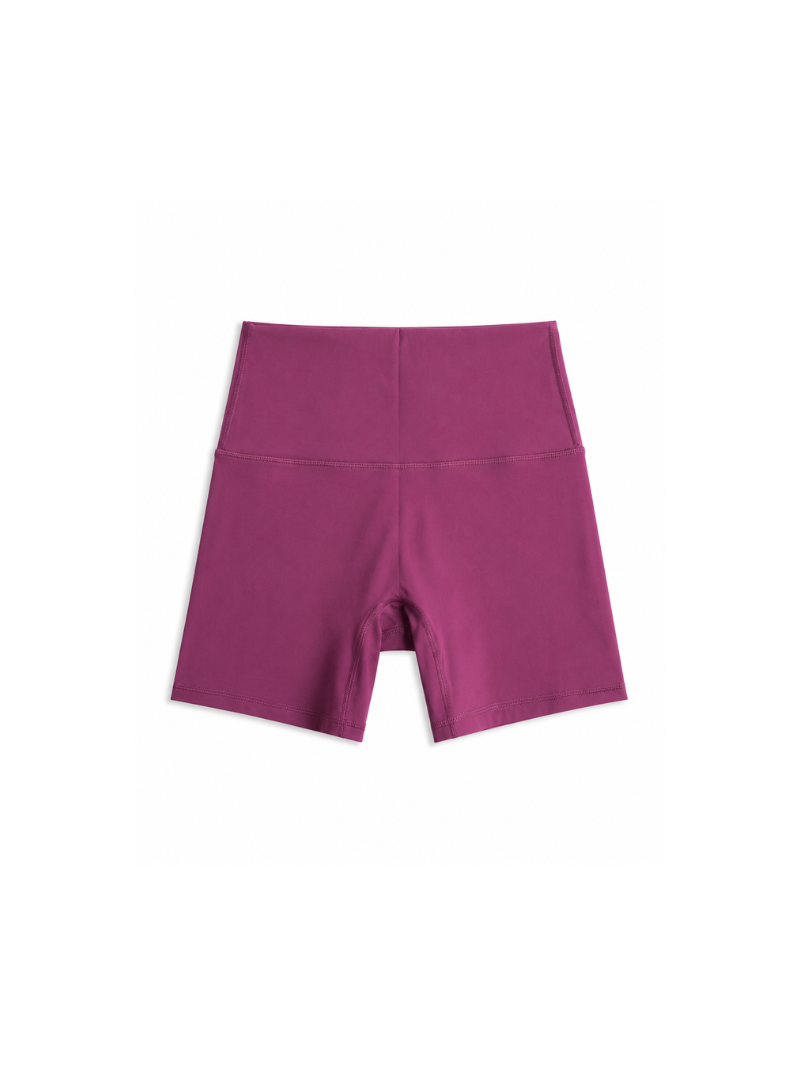
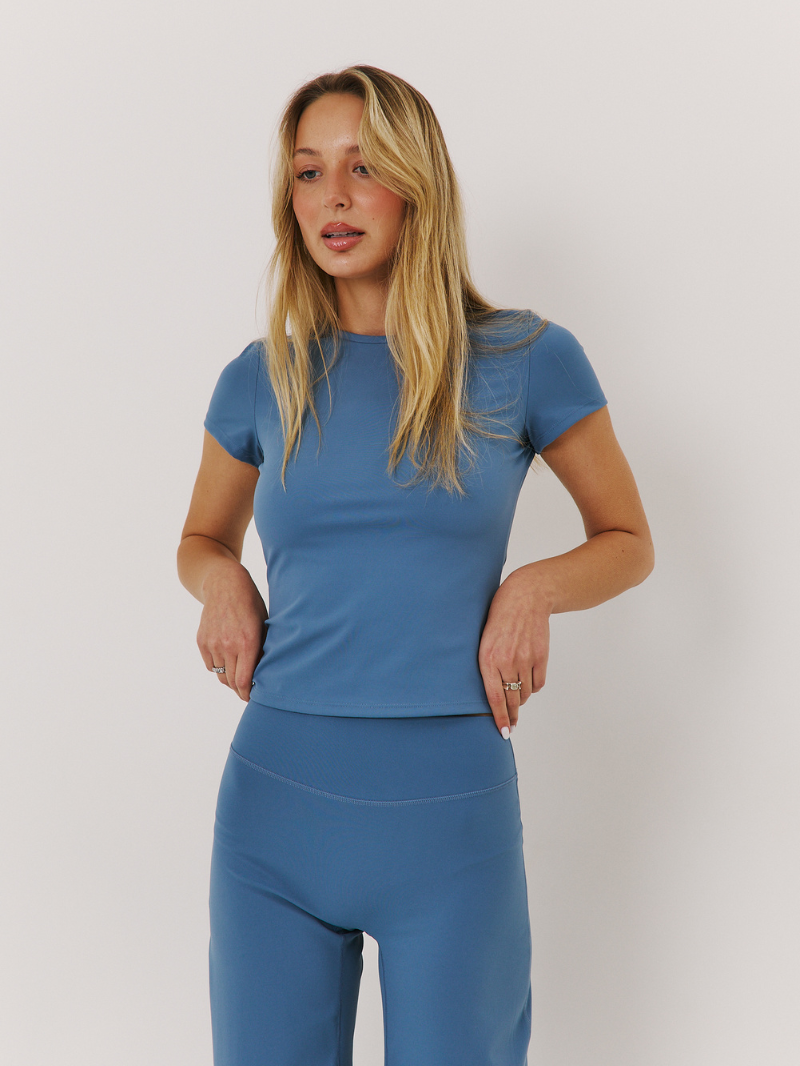
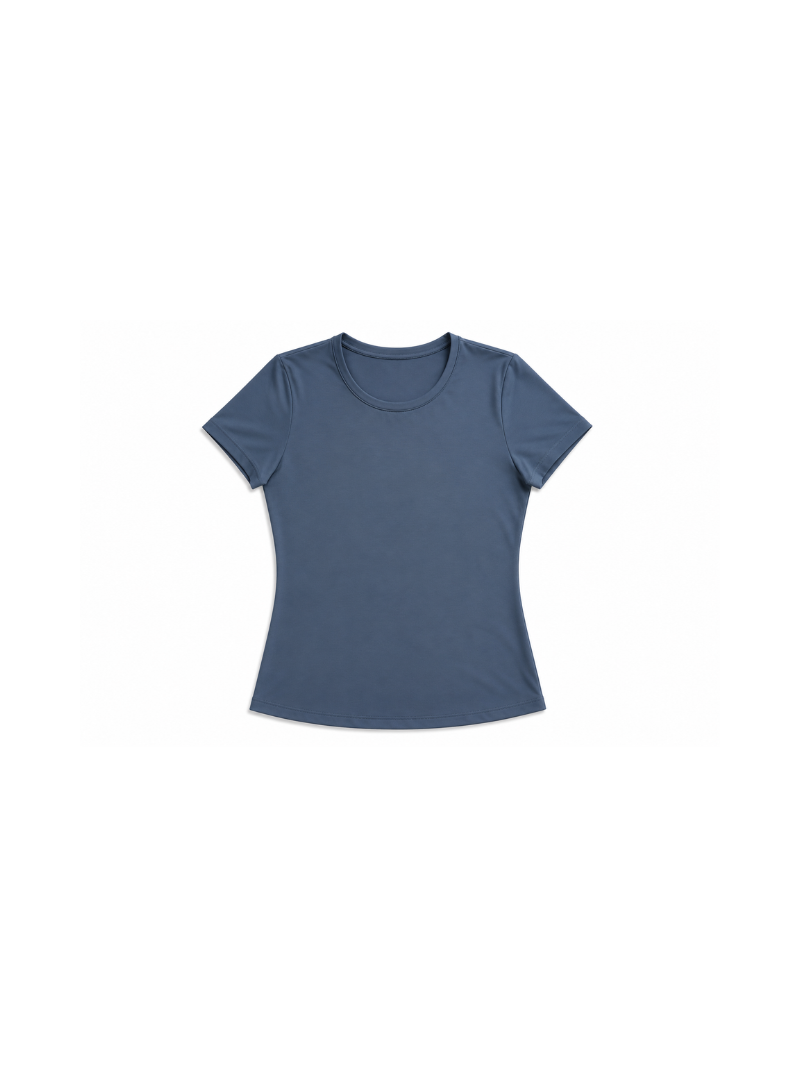
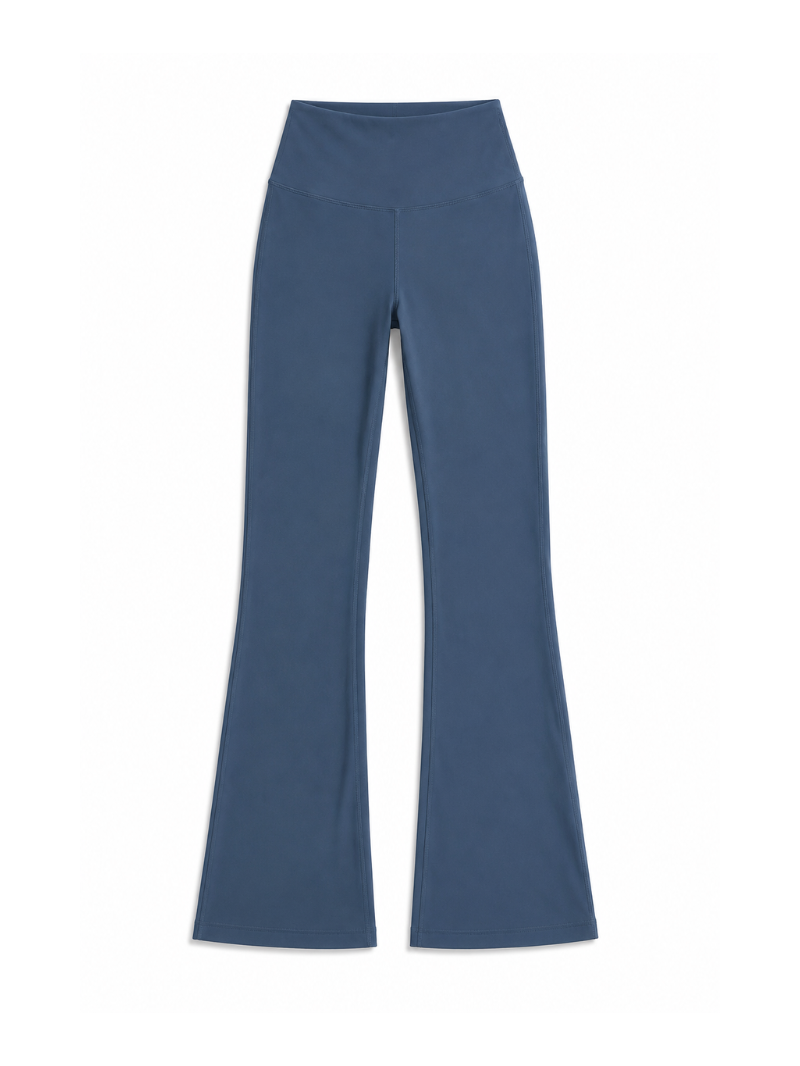
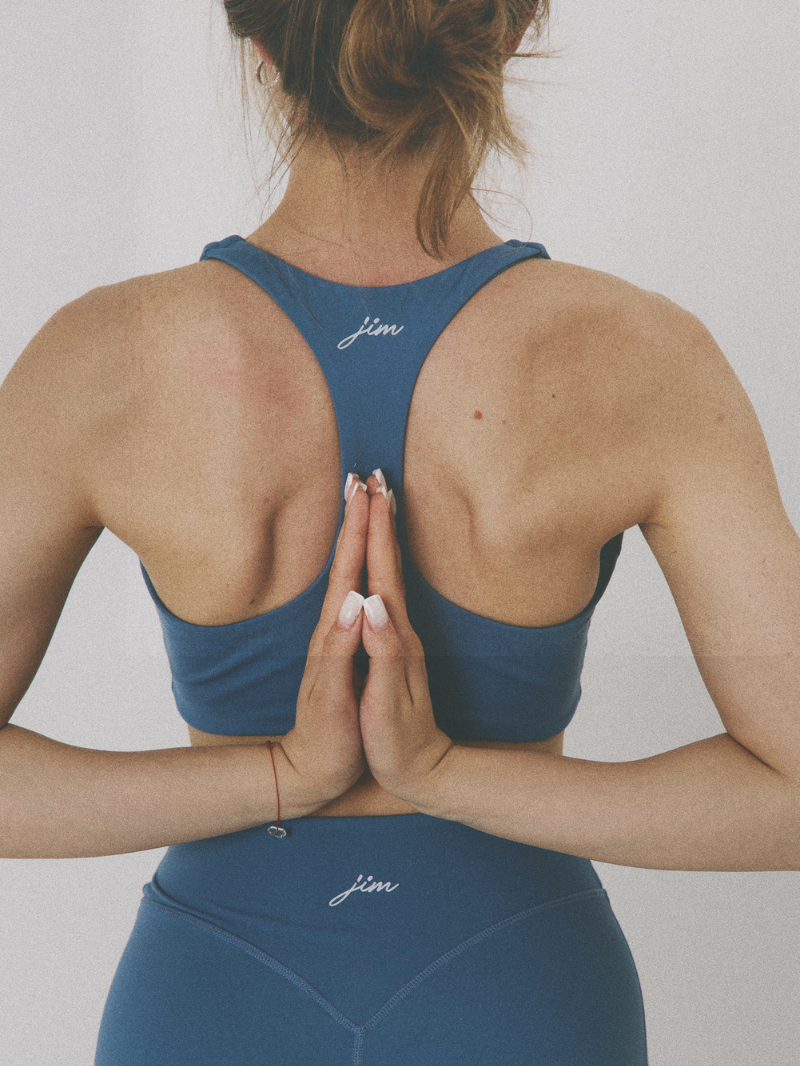
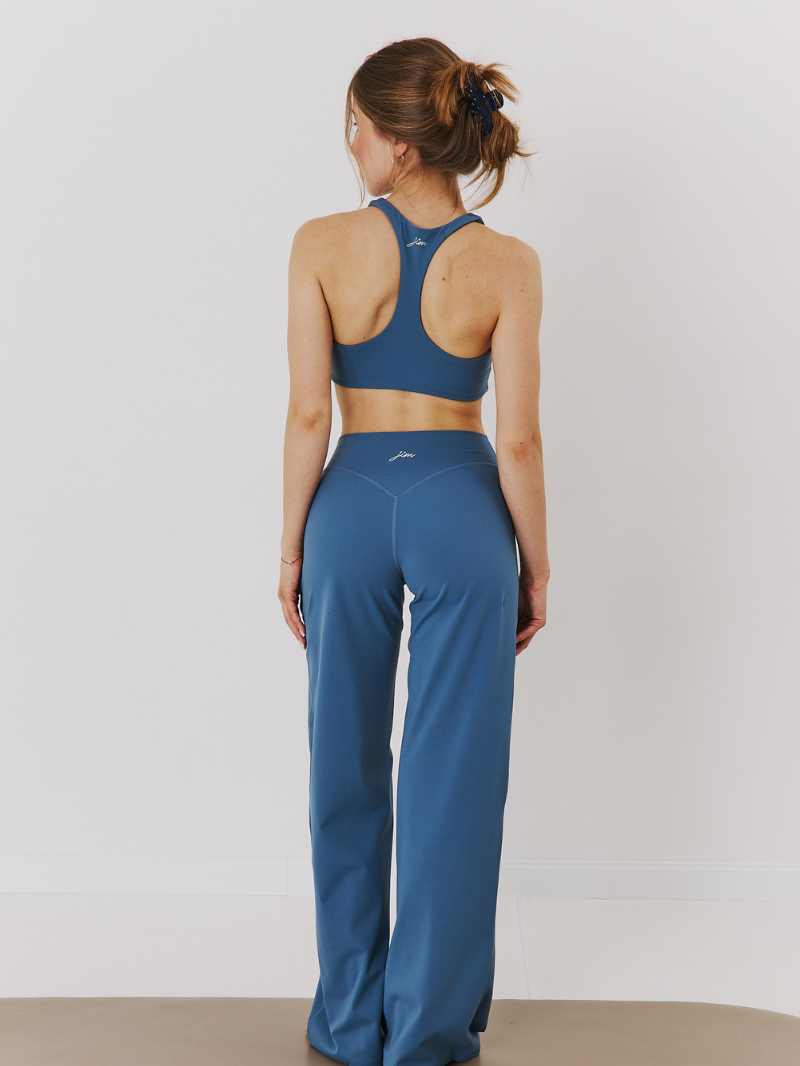
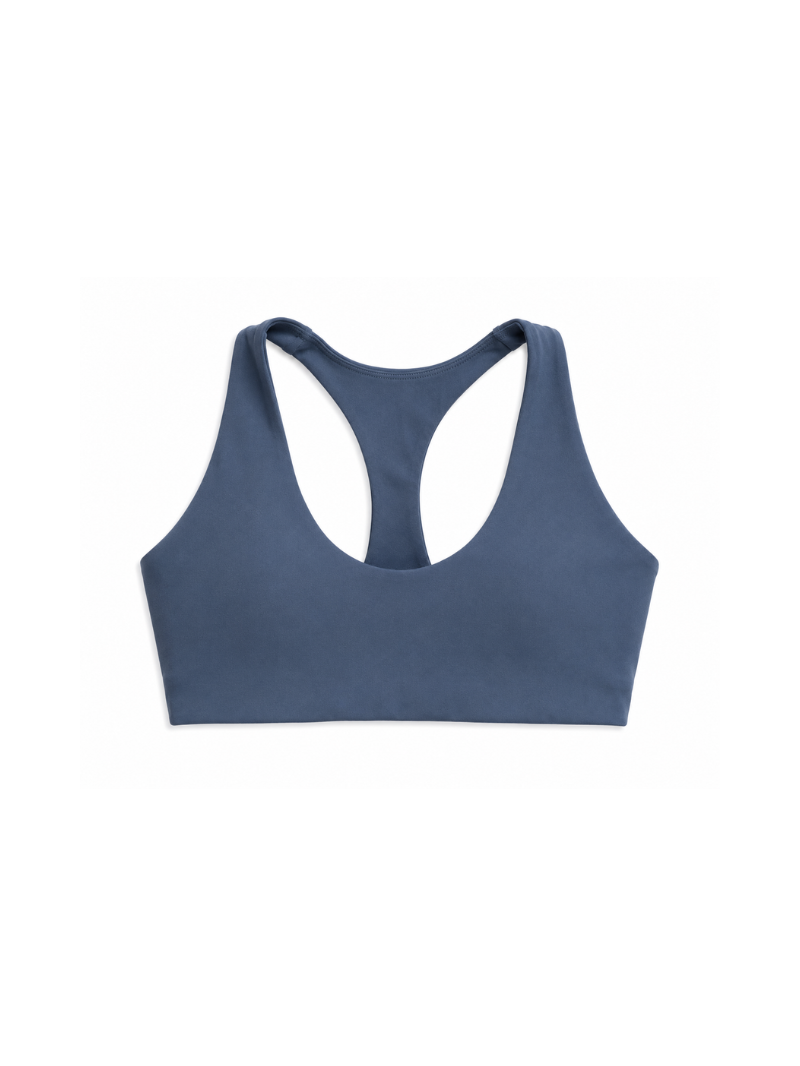
Second: clothing that becomes a second skin. In this practice, full focus on the breath and the signals coming from the body is what counts. Tight exercise leggings, digging seams, or a slipping sports bra are unnecessary distractions.
At JOYINME, we create clothing with the kind of comfort in mind that lets you forget you’re wearing anything at all. Our seamless constructions and flexible materials move with you, supporting your practice without restricting your movement.
Fascial yoga is not a passing trend, but an extremely effective tool for fighting stress, stiffness, and movement limitations. It is an invitation to listen to your body on a deeper level. Start your adventure today, even with just one five-minute pose.
And if you want every minute in the Sphinx or Butterfly to be pure pleasure, visit the JOYINME store. Choose a comfortable exercise mat and sportswear that will make your practice a true investment in your health and well-being.












Is fascial yoga on YouTube good for beginners?
Video workouts are a great way to get started, but as a beginner, choose sessions described as "gentle" or "for beginners." Pay attention to instructions regarding modifications, because fascial yoga on YouTube often offers sessions of varying intensity, and the most important thing is listening to your own body rather than copying the instructor 1:1.
How often should you perform fascia exercises?
Due to deep tissue recovery, fascial yoga does not need to be practiced daily. You will notice optimal results, such as improved mobility and a reduction in chronic stress, by introducing 2–3 sessions per week as a supplement to dynamic workouts or as an evening wind-down.
Why should you hold a position for so long during fascial stretching?
Fascia is a tissue with slow plasticity. Unlike muscles, which react quickly, fascial structures need time—usually over 90–120 seconds—to begin changing their structure and "letting go" of stagnant tension. A duration of 2 to 7 minutes allows for real hydration of the connective tissue and the achievement of a lasting relaxation effect.


