

A sedentary lifestyle, a lack of physical activity, and prolonged tension lead to strain and discomfort. Nowadays, many people struggle with back pain and spinal issues. Taking care of an adequate dose of exercise is beneficial for the entire body. However, it is worth tailoring your chosen activities to your own lifestyle. In this case, pilates is a great solution—a universal method of exercise that not only strengthens the body but also helps maintain a healthy spine.
Why is pilates good for spinal problems?
Pilates effectively strengthens deep muscles and improves body posture, and regular practice contributes to spinal stabilization. It is a form of exercise characterized by a focus on movement control, precision of positions, and fluid transitions. While the effort requires our full commitment, unlike resistance training, it is considered safe for people with health issues.
Compared to yoga, which focuses on flexibility and relaxation, pilates places greater emphasis on activating deep muscles and improving stabilization.
Pilates for a healthy spine – basic principles of safe training
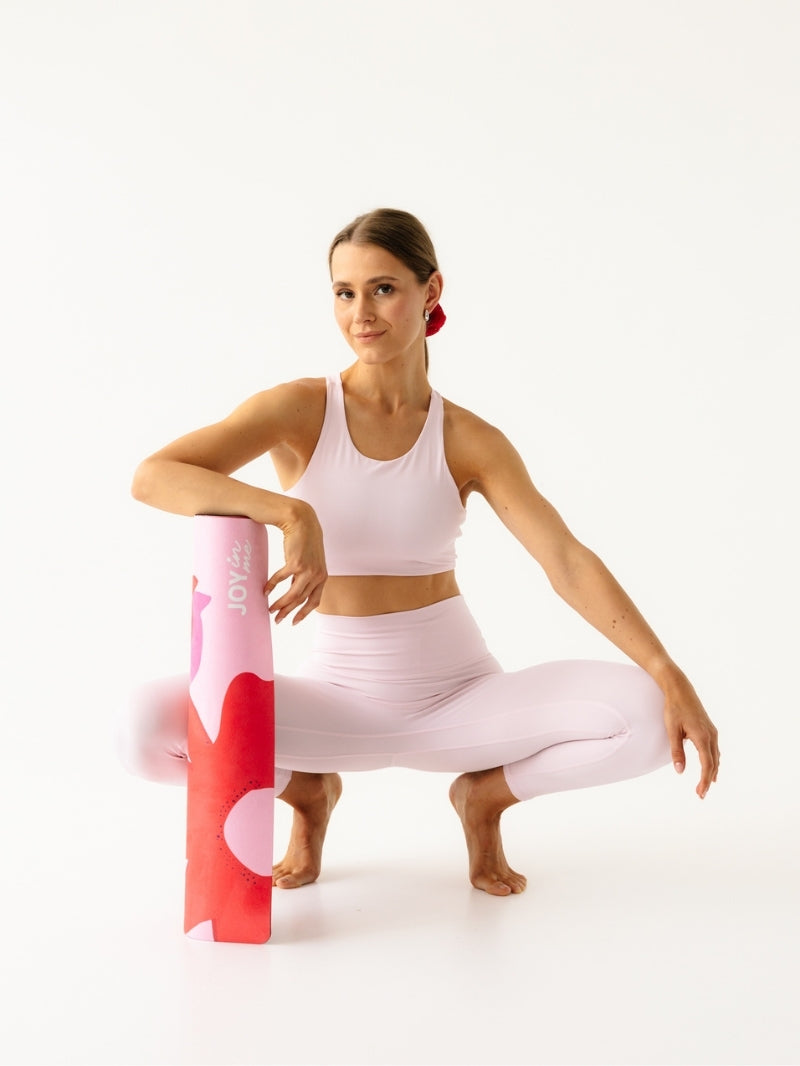
You don't need specialized equipment for pilates, but it is worth getting a few basic and very versatile items. What will you need during your workout? Obviously, an exercise mat, thick enough to cushion your movements and ensure comfort.


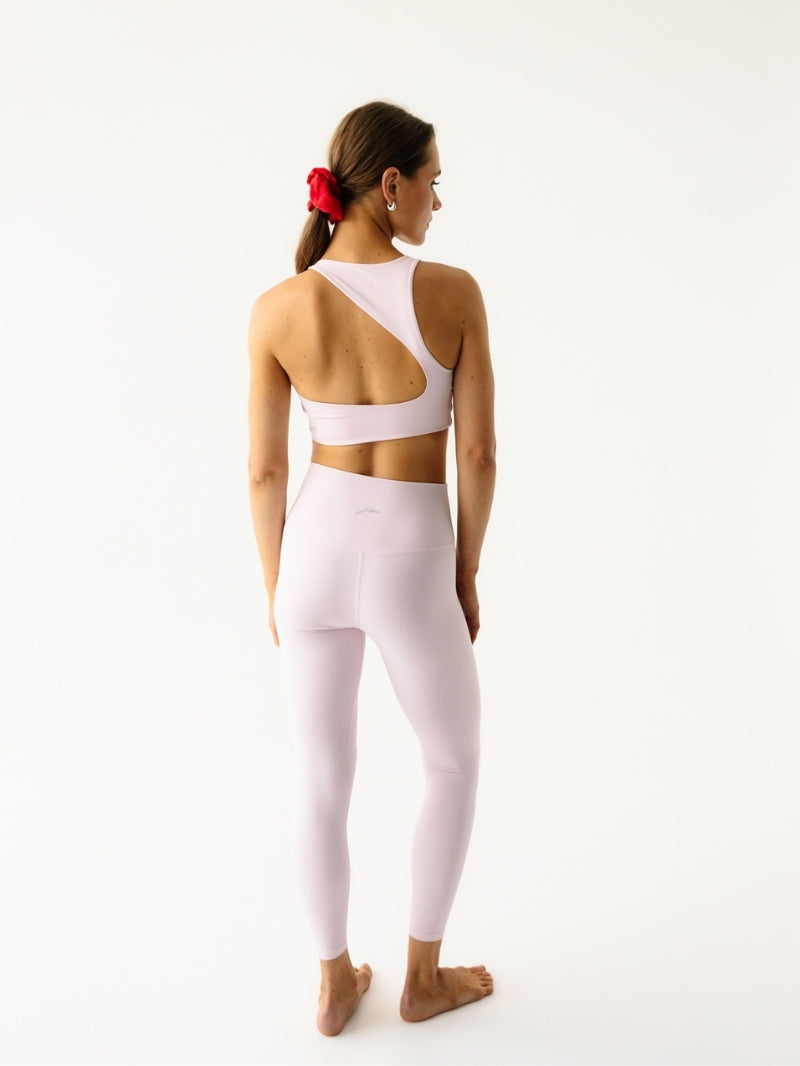
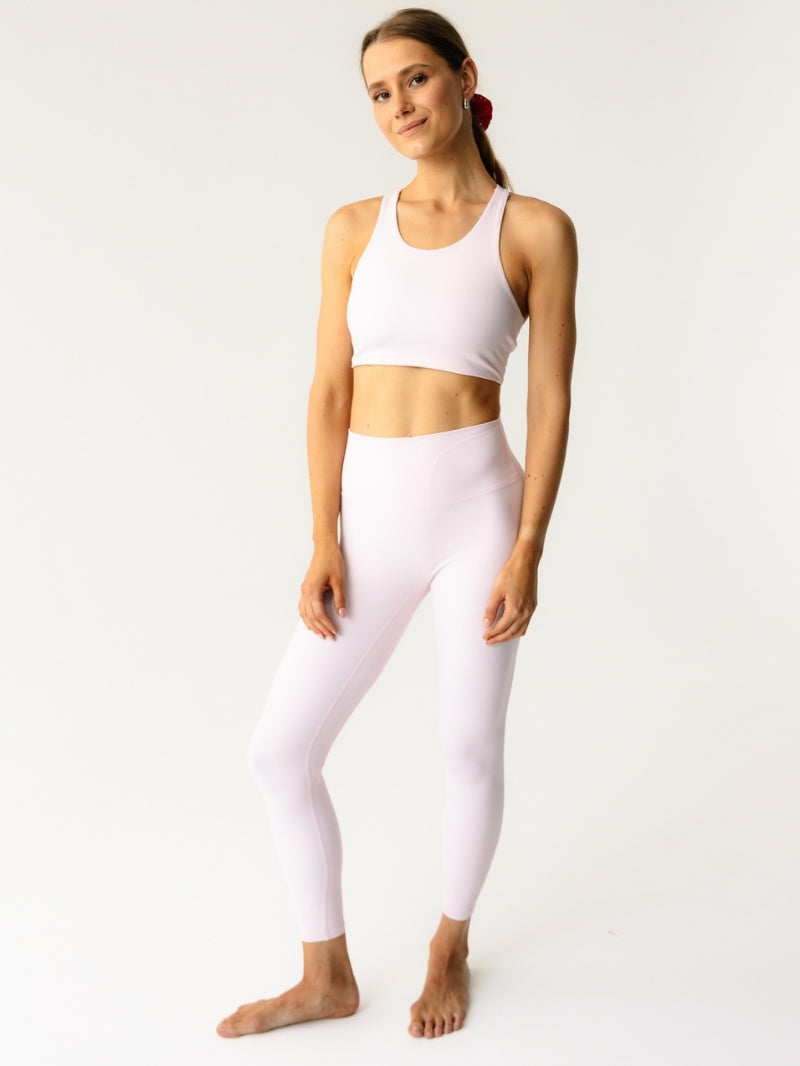
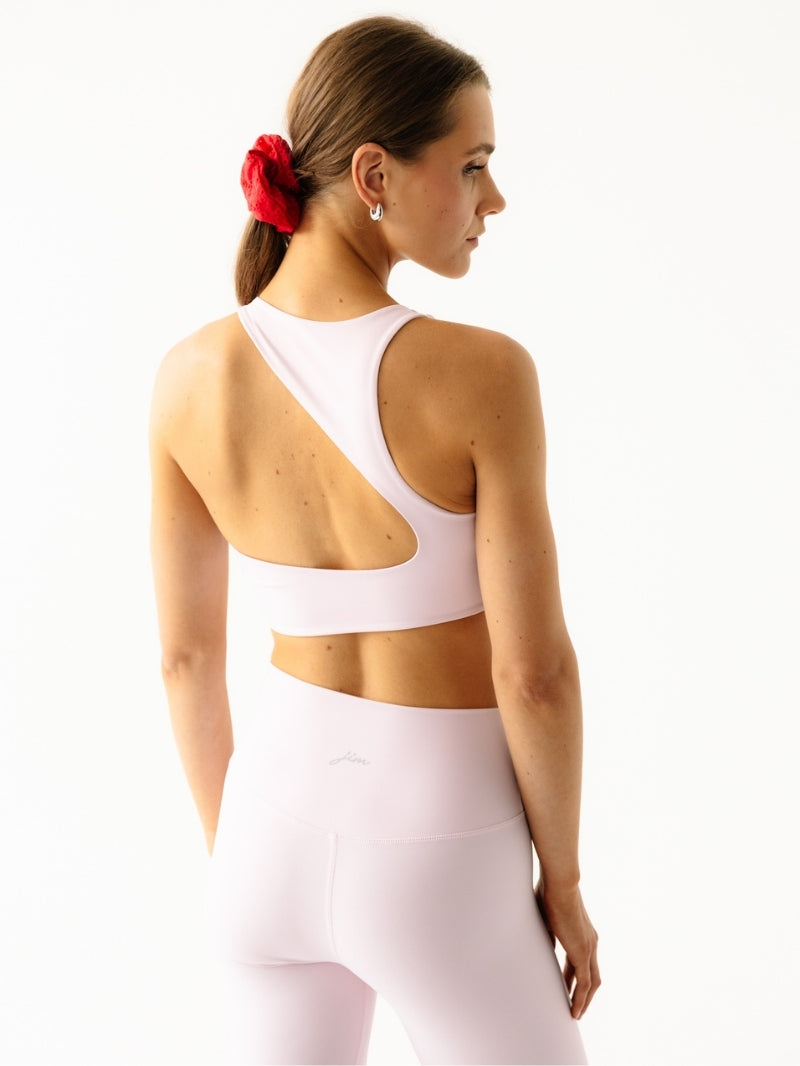
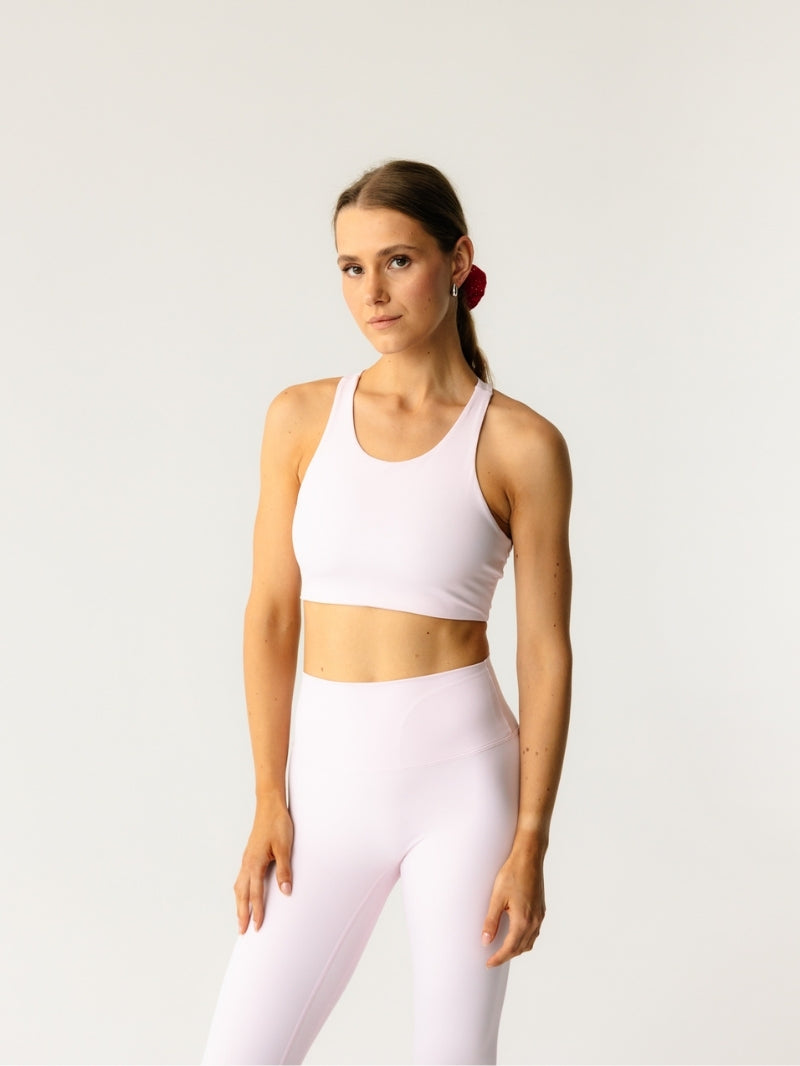
Comfort is essential, which is why your pilates set should not restrict you. In pilates, it is good if the clothing is flexible and fits the body—this could be a fitted top and comfortable exercise leggings. As with any form of training, you must also ensure a warm-up to boost circulation and prepare your muscles for exertion.
During pilates, it is important to have correct pelvic alignment, ensuring proper posture and protection of the spine. Core stabilization helps avoid strain, and precise exercise technique reduces the risk of injury.


Pilates – spinal exercises for beginners
Pilates may seem demanding at first, but if you start with simple exercises and dedicate time to learning the correct technique, you will quickly notice an improvement in your strength and flexibility. Learn more about exercises dedicated to specific sections of the spine.
Pilates exercises for the cervical spine
The cervical spine is responsible for head mobility and stabilization of the upper body. Many people struggle with tension around the neck and nape. The reason? Very often, long hours spent sitting at a desk. The following exercises will help reduce tension and improve posture.
Head Nods
-
Lie on your back.
-
Bend your knees, placing your feet hip-width apart.
-
Gently tuck your chin toward your sternum, performing a nodding motion.
-
Return to a neutral position.
Neck Rotation
-
Sit upright or lie on your back.
-
Gently turn your head to the right and try to look behind you.
-
Return to the center and perform the movement to the left.
Pilates exercises for the thoracic spine
The thoracic spine is responsible for stabilizing the torso and supporting correct posture. Its limited mobility can lead to back pain and shoulder tension, which is why in such cases, it is worth focusing on improving torso rotation and chest flexibility—you can achieve this with the following exercises.
Spine Twist
-
Sit with your legs straight, arms extended to the sides.
-
Rotate your torso to the right, keeping your hips stationary.
-
Return to the center and perform the movement to the left.
Thread the Needle
-
Get into a quadruped position, lift your right arm up.
-
Thread your arm under the left arm, resting your shoulder on the mat.
-
Hold the position, then return to the starting position.

Pilates exercises for the lumbar spine
Strengthening the lumbar spine helps prevent back pain and improves the stability of the entire torso, including the lower back and pelvis.
Bridge
-
Lie on your back.
-
Bend your knees and set your feet hip-width apart.
-
Lift your hips by engaging your glutes.
-
Slowly lower your hips to the mat.
Single Leg Kick
-
Lie on your stomach.
-
Rest your forearms on the mat.
-
Lift one leg and perform two short kicks.
-
Switch legs and repeat the movement.
Exercises for full spinal mobility
By incorporating exercises that engage all sections of the spine into your daily routine, you will improve its overall mobility. Performing the following positions will also affect the flexibility and awareness of your entire body.
Cat-Cow Stretch
-
Get into a quadruped position.
-
Inhale – lift your head, arch your back downwards.
-
Exhale – round your back, lower your head.
Swimming
-
Lie on your stomach, then extend your arms forward.
-
Alternately lift the opposite arm and leg.
-
Perform the movements dynamically, maintaining core tension.




How often and how long to practice pilates for spinal problems?
How to achieve the best results? It is enough to practice regularly. You can start with one or two sessions a week, e.g., 30-45 minutes long. If you want to energize your body, try to do the workout in the morning. In the evening, however, pilates allows you to relax muscles that have been tense all day.
Pilates pairs perfectly with other forms of activity, e.g., yoga, walking, or swimming. Before starting your journey with exercise, remember to consult a physiotherapist or instructor to choose a workout suited to your individual needs.


