
It doesn't take much to start taking care of your health and physical fitness. Regardless of the type of activity, your body should be properly stretched and prepared for movement. What is stretching? Check out these sample exercises!
What is stretching?
The term "stretching" comes from English and simply means stretching. In practice, it is a system of exercises aimed at increasing the flexibility of the entire body.
Furthermore, it is versatile – it can function as a standalone workout or as a permanent element of any activity, helping muscles not only to stretch but also to relax.
Types of stretching – static and dynamic training
There are several ways to stretch. The most popular exercise methods include:
- static – recommended as the culmination of physical activity, it primarily serves to cool down muscles, which are stretched while at rest and then relaxed;
- dynamic – involves intense repetition of specific positions, with the goal of improving joint range of motion and activating muscle groups, among others.
Benefits of stretching – why and when should you stretch?
Stretching for beginners can also provide a range of benefits that positively affect the entire body. Learn the most important advantages of stretching!
Improvement of flexibility and range of motion
The exercises involve lengthening myofibrils, which are the basic elements of the fibers that make up muscle tissue. As a result, the length of a given muscle increases, which naturally translates into improved flexibility and range of motion.
Reduction of muscle pain and tension
Stretching the spine, for those struggling with pain, especially in the cervical or lumbar region, will help alleviate tension. For this reason, stretching is a great solution for anyone who works in a seated position.
In the case of problems related to inflammation or muscle strain, it is worth consulting a doctor.
Strengthening joints and preventing injuries
Stretching the body helps achieve a greater range of motion in the joints, which, combined with better flexibility, results in improved posture, stability, and coordination.
To effectively minimize the risk of potential injuries – in addition to stretching – it is necessary to simultaneously strengthen your muscles.
Improving well-being and reducing stress
It is also worth stretching to improve your overall well-being. Stretching helps you relax and reduce stress.
Stretching for beginners – how to start?
Starting your journey with physical activity, regardless of your fitness level, requires some caution and deliberation. Check out how to properly prepare for stretching!
How to incorporate stretching into your daily routine?
Introducing stretching should be done gradually. Observe your own body so you don't overstrain it. It is worth starting by mastering the basics and choosing a set of exercises for beginners, applying them, for example, after waking up or after strength training.
Choosing the right place, clothing, and time for stretching
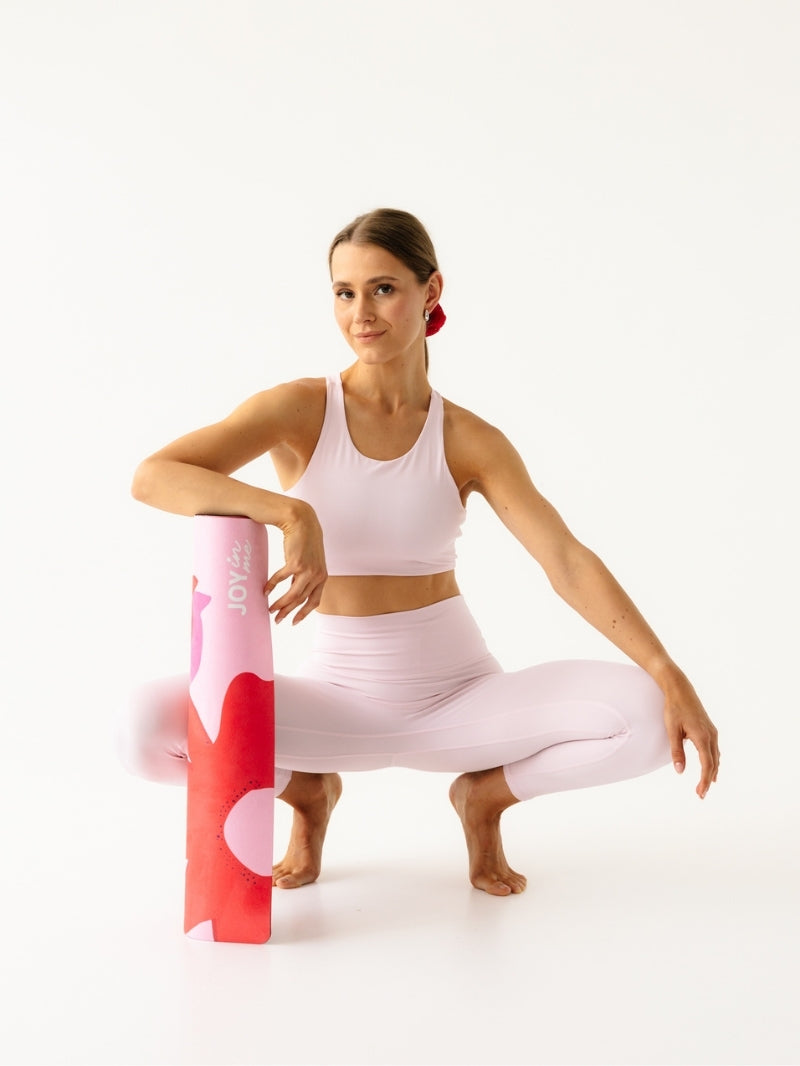
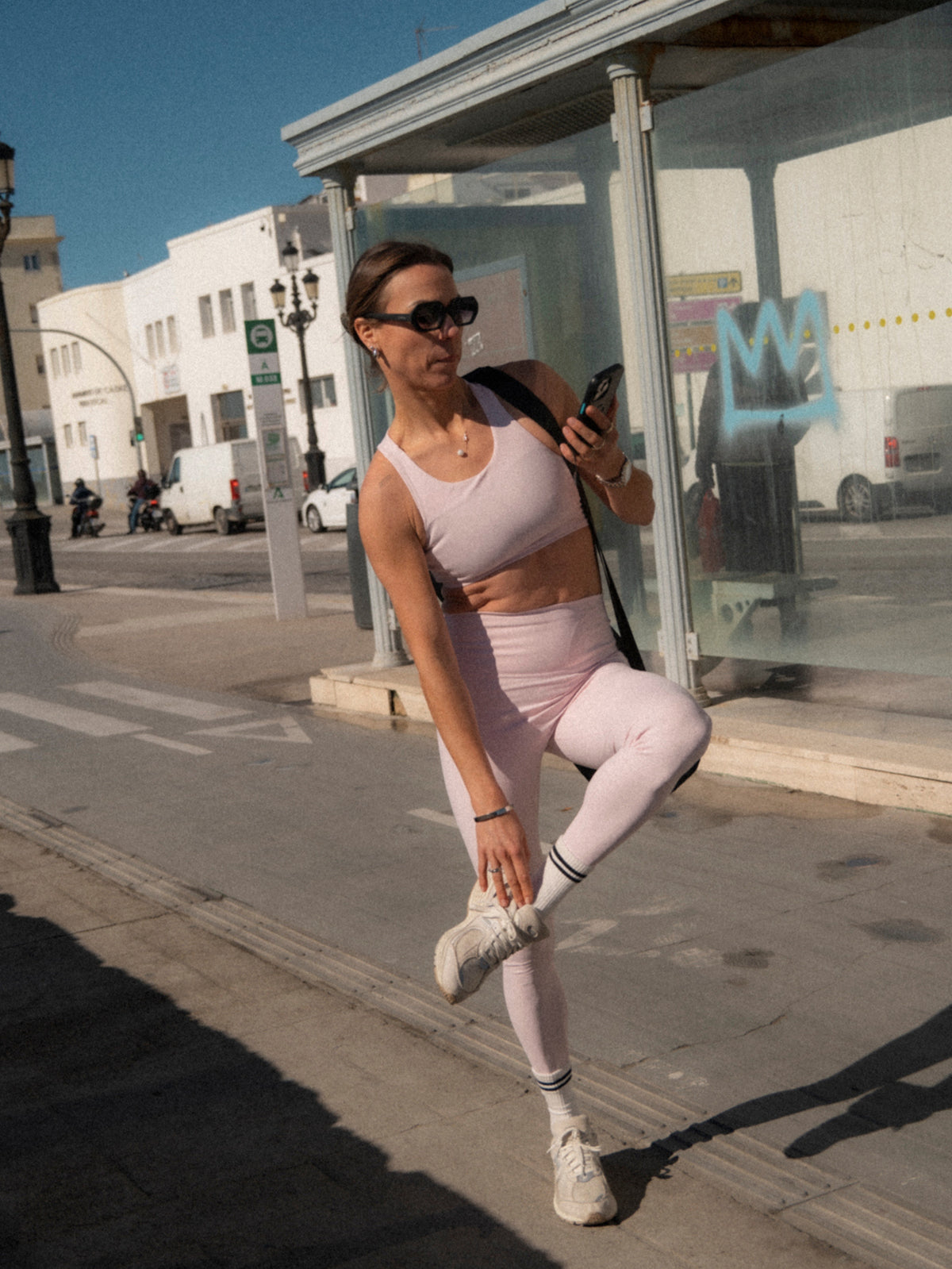
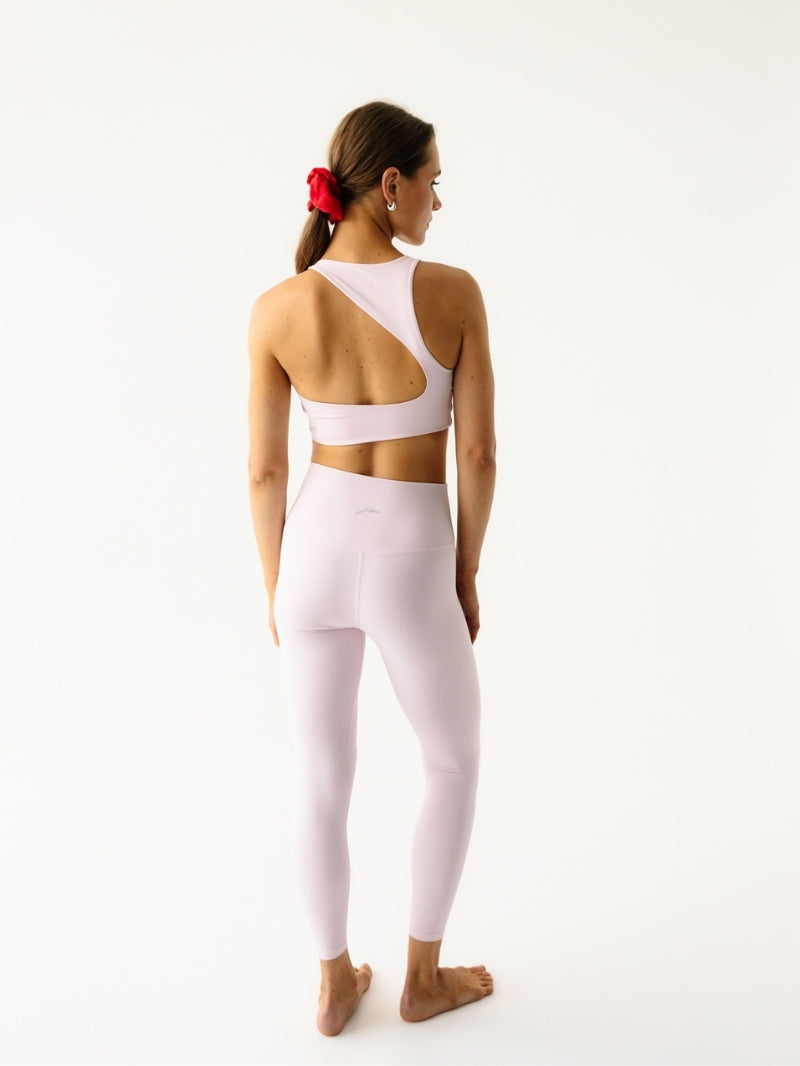
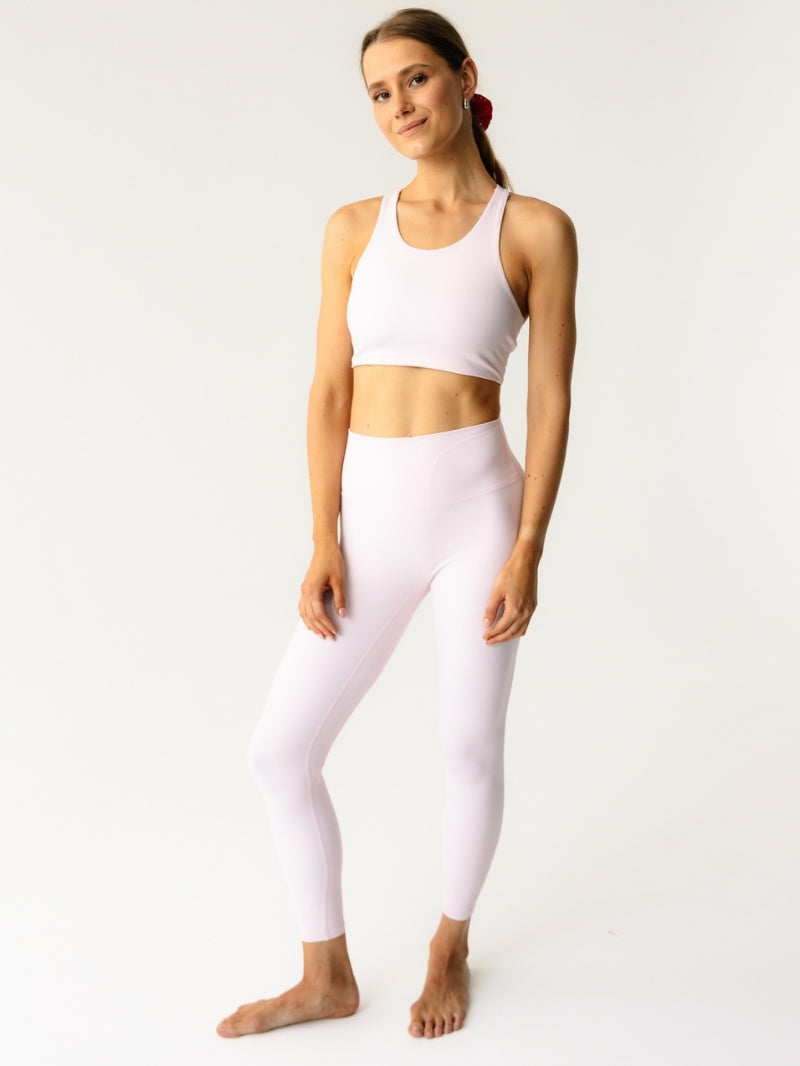
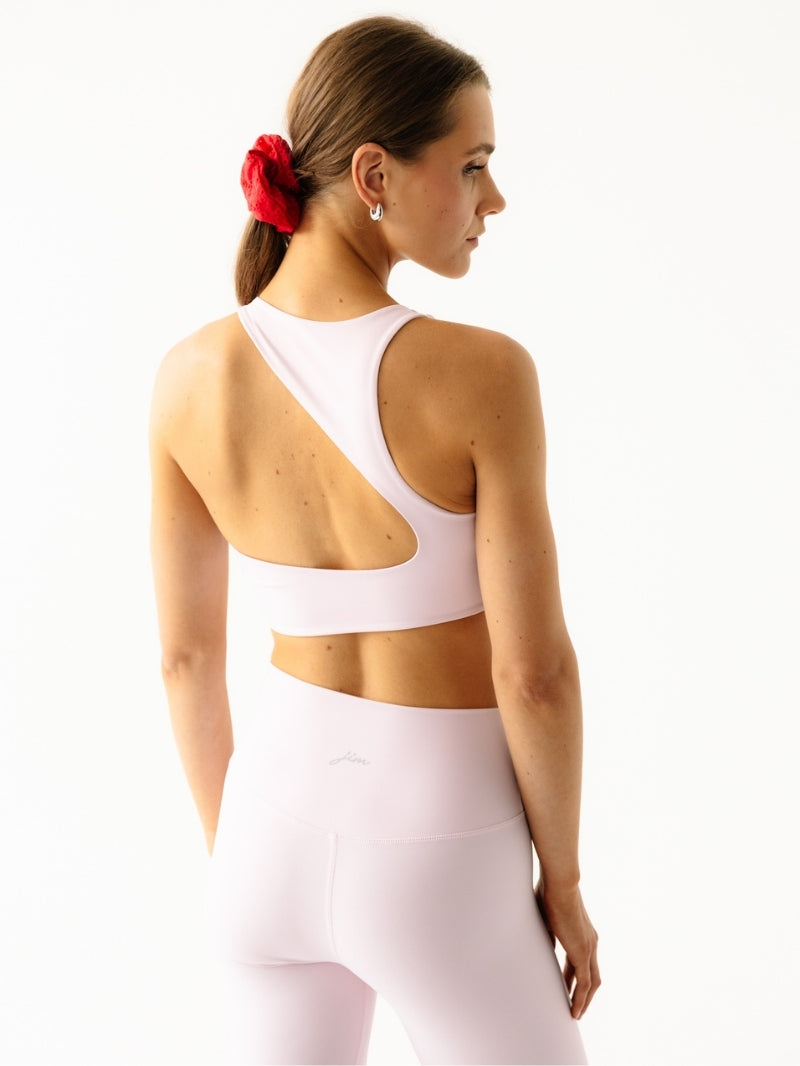
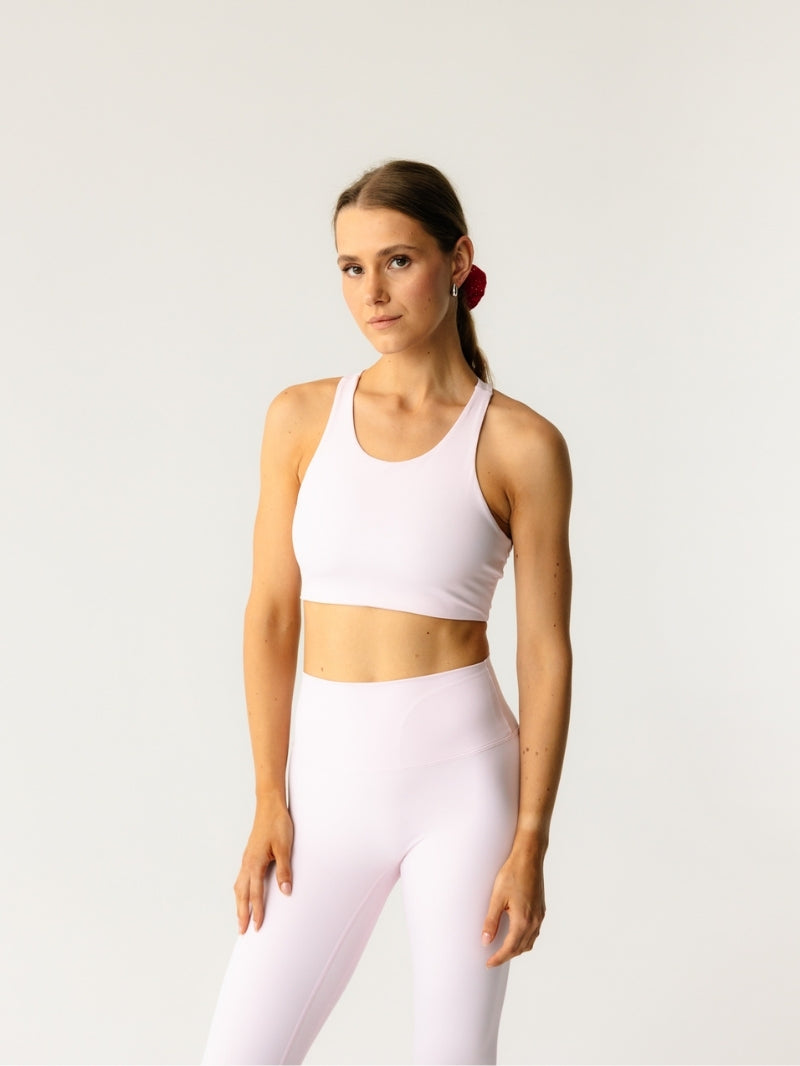
Stretching, like any other activity, requires comfortable and flexible workout attire, such as yoga leggings and a fitted, comfortable sports top. Perform the exercises wherever you feel most comfortable – it doesn't matter if you choose the gym or a training mat in your own home.
Warm-up before stretching
Although your training may focus on specific muscle groups, warming up your entire body is extremely important. Take a deep breath, calm down, and stretch your head, neck, back, and limbs in sequence.
Principles of safe training and stretching at home
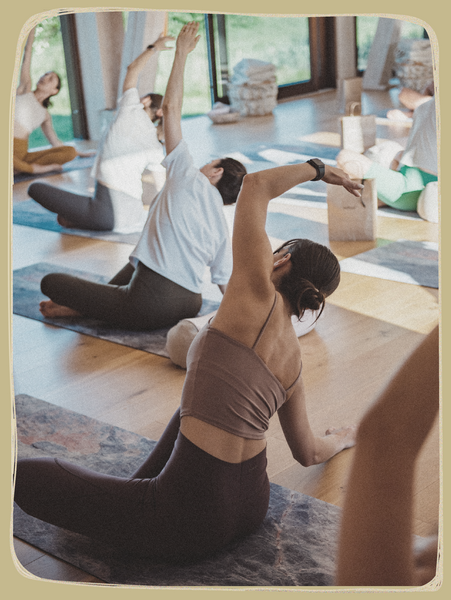
When training at home, create a safe space that provides a full range of motion. Perform each position precisely on a stable, non-slip exercise mat.


Stretching with or without equipment
You can stretch without specialized equipment. However, if you want to enrich your daily routine, use tools such as an arch or an exercise ball.
Sample set of basic stretching exercises
Here are basic stretching exercises that are a great place to start your stretching journey:
- head stretches – stand with your legs apart, tilt your head from side to side, holding it lightly with your hand, then return to the starting position and perform movements forward and backward;
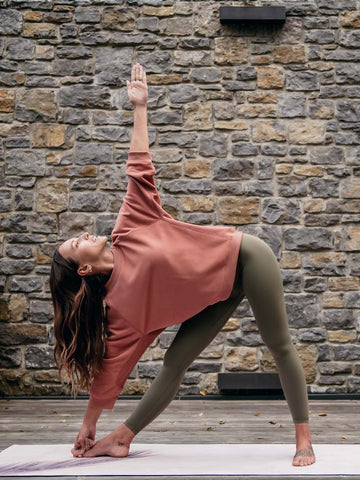
- back stretches – sit down, raise your hand, and gently lean to the side; if necessary, you can support yourself with your other hand, resting your weight on the floor;
- arm stretches – stand or sit, straighten one arm, grab your elbow with your other hand, and pull until you feel tension.
Motivation for regular stretching – when to expect results and how to stay encouraged?
The beginning is always difficult, so develop your skills slowly and in harmony with your own body. Consistency and precision are key – not only for achieving satisfying results but also for minimizing the risk of injury.
If you want to add variety to your daily workouts, it is worth alternating between dynamic and static stretching.