

Many people do not realize how many advantages merino wool has. Furthermore, it works brilliantly not just in winter! What makes clothing made from this material a must-have in every wardrobe? Check out why merino wool apparel is so highly valued!
Merino wool – definition and origin
Merino is wool from merino sheep, a breed found primarily in the New Zealand Alps. The animals must face harsh and very unfavorable weather conditions there. Merino sheep adapted to this difficult and demanding climate thanks to their wool, which adjusted to the temperature and weather, while the elastic and fine fibers easily expanded or contracted.
Simultaneous protection against cold and heat makes merino clothing stand out for its exceptional functionality and versatile application.
Merino wool – properties and advantages
The most important feature of merino wool is its thermoregulation, i.e., the aforementioned ability to adapt to changing weather conditions. However, this is not its only asset. The material's advantages also include:
- breathability and air permeability – ensures air circulation and effective moisture wicking;
- antibacterial properties – this type of wool is resistant to the growth of bacteria and fungi;
- softness and lightness – fine fibers are gentle on the skin, and the clothing is comfortable to wear;
- high hygroscopicity – merino absorbs moisture without losing its thermoregulatory efficiency.
Merino wool – application and types
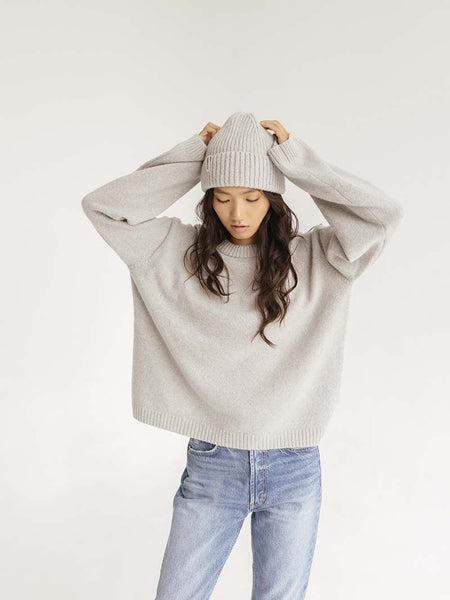
Due to its diverse properties, merino wool works great in many situations. Without a doubt, sweaters made of this material and winter clothing in general are the most popular. They wrap pleasantly around the skin, providing warmth and serving as a very comfortable and stylish solution.
The high functionality of merino wool means it is also used in hiking and outdoor clothing. It guarantees effective protection even in very low temperatures and extreme weather conditions. For this reason, merino is chosen by people who enjoy sports and various outdoor activities.
For example, merino socks are perfect for trekking not only because of their thermoregulation, but also their moisture-wicking capabilities. Other types of clothing used for sports and recreational purposes include shirts, hats, gloves, or thermoactive underwear. It is worth adding, however, that while outdoor clothing may be predominantly merino, it does not have to be – there are plenty of products that contain other, synthetic materials, such as elastane.
In the summer, when choosing clothes containing merino wool, you can benefit from its thermoregulatory properties. You will gain not only proper circulation but also protection against UV rays, thanks to the UPF filter.
Merino wool – care and storage
The advantages of merino wool also include the fact that it does not absorb unpleasant odors. The frequency of washing depends on the level of dirt, the appearance of visible stains, and the purpose for which the garment is worn (e.g., sports). The more intense the effort, the more likely cleaning will be necessary.
In many cases, airing out merino wool is enough to freshen it up. Outdoor clothes can be washed either by hand or in a washing machine, following the manufacturer's instructions on the label. It is worth remembering to turn items inside out.
Here are the most important rules for washing merino clothing:
- the temperature should not exceed 30°C;
- set a low spin cycle (no higher than 400 rpm) or omit it entirely;
- use delicate detergents, preferably products dedicated to this type of wool.
Merino material – comparison with other materials
The antibacterial properties of merino wool mean that, unlike other materials, it does not need to be washed as often. What’s more, it does not crease and does not require ironing, and thanks to the high twist of the fibers, it fits the body perfectly. Many other types of wool, e.g., from mountain sheep, are not pleasant to the touch.
Merino sweaters do not irritate the skin and are friendly to people who have problems with issues like allergies. Outdoor clothing dominated by synthetics, such as polyester, does not allow for air circulation nor does it have thermoregulatory functions.
The quality of merino wool sets it apart from other materials, though this translates into the price. By choosing this type of clothing, you are investing in a high-end product. Regardless of the type of activity and whether you wear merino wool clothing on a daily basis or while trekking in the mountains, you will improve your overall comfort, even during intense physical exertion.


