

Many people wanting to improve their physique and fitness often do not know how to start, and furthermore, do not feel comfortable in group classes. Pilates can be the solution to this problem. Did you know that you can take care of your abdominal muscles in the comfort of your own home? At the very beginning, a simple mat is enough. What does wall pilates for abs look like for beginners in practice?
We will provide some valuable tips on specific positions and how to properly prepare for them. Ensure a safe and effective workout. Discover a set of effective wall pilates exercises to strengthen your abdominal muscles!
What is wall pilates and why is it worth trying?
Pilates is a set of exercises created at the beginning of the 20th century by Joseph Pilates. Back then, training was enhanced by using special machines designed by the German athlete, such as reformers. Over time, pilates not only gained popularity but also saw many other variations. One of its varieties is training using a wall, for which you only need a comfortable yoga mat and adequate space.





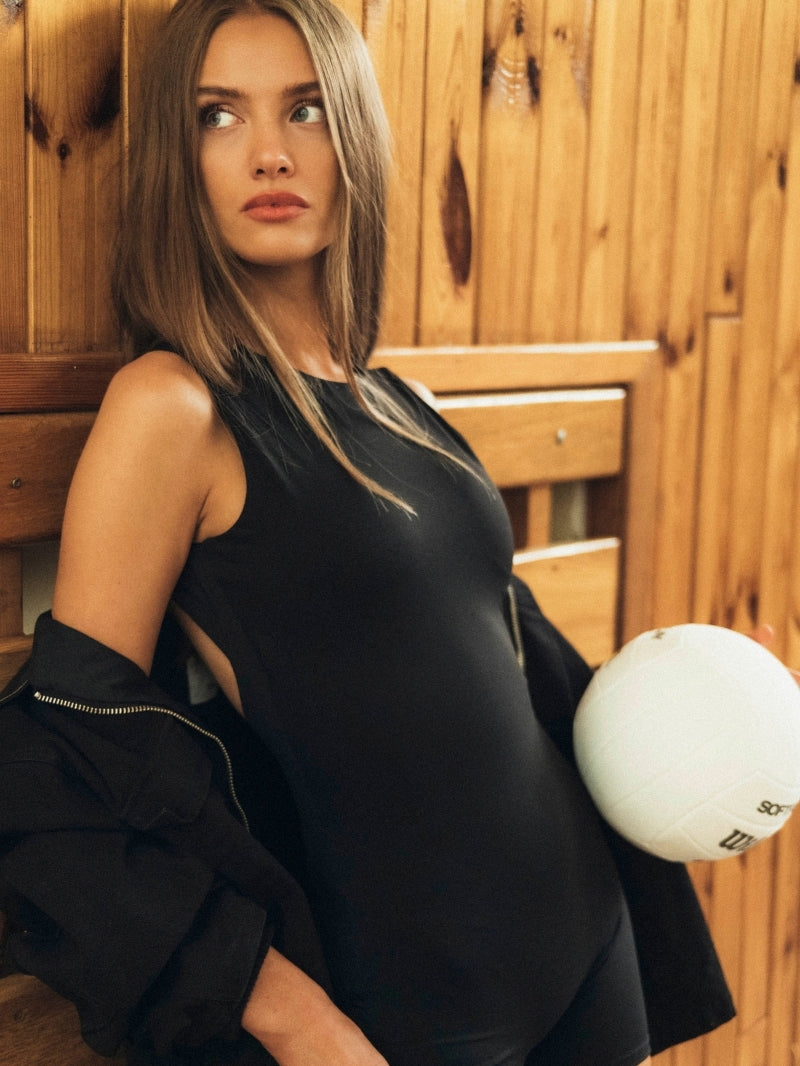
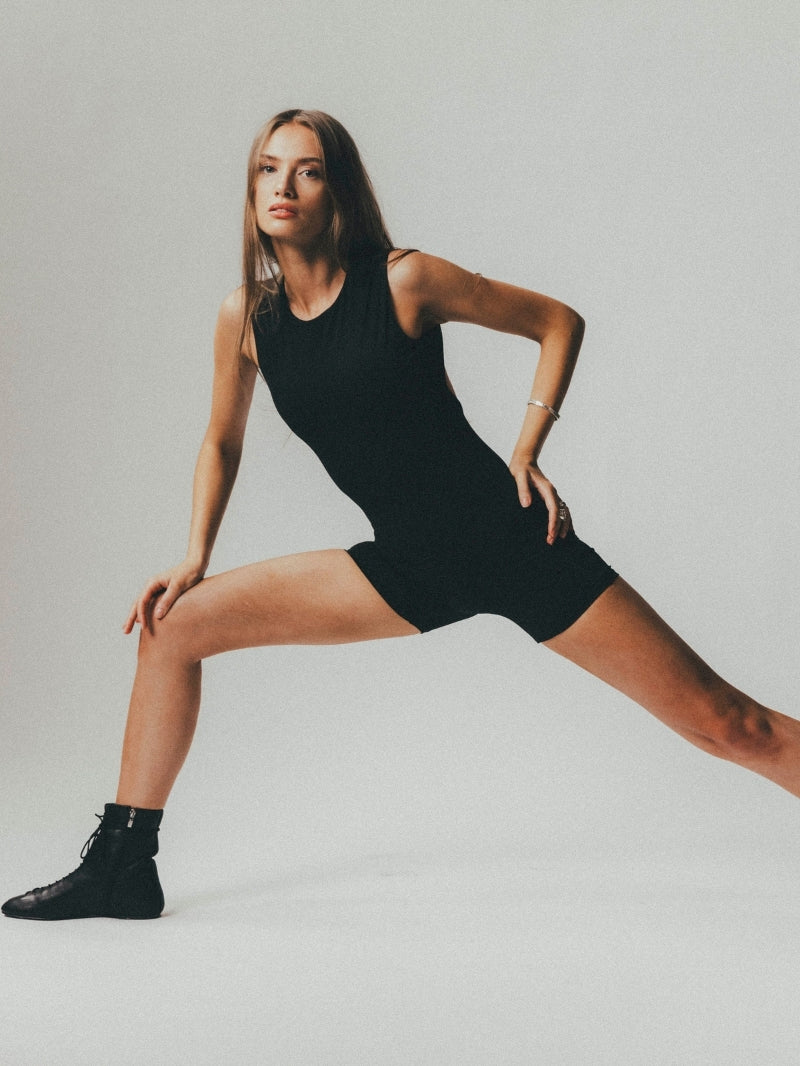



You don't have to be a fit person to start your pilates adventure. Abdominal exercises, as well as those engaging other parts of the body, are not the most difficult. Adapting the training to your current physical condition should not be a problem. Today, there are really many options – depending on individual preferences and needs, you can sign up for group classes and develop under the watchful eye of an instructor or exercise in the privacy of your home.
Independent pilates training at home, however, requires proper preparation and – above all – choosing substantive and valuable materials. The internet certainly makes searching for information easier, although it is worth relying on content created by experts.
Pilates allows for great flexibility and freedom – in total, over 500 different exercises have been developed, which can be further diversified using yoga accessories.
Wall pilates – which exercises for a flat stomach?
Training against a wall can be truly varied. Below you will find several examples of pilates exercises for the abs:
- Squat – start from the starting position, which is standing upright. Leaning against the wall, perform a sitting motion in the air. Maintain a 90-degree angle in the knee and hip joints without lifting your back off the wall. Tighten your thigh and glute muscles, holding this position for about 30 seconds.
- Plank – set yourself up like a standard plank, but with your hands resting against the wall. Align your body in a straight line from head to feet, avoiding sagging of the lower back and limiting hip lift. Try to hold for at least 30 seconds, keeping your abdominal muscles tight the whole time.
- Leg raises – lie on your side with your hips against the wall and your legs straight in front of you. Lift one leg and then the other, tighten your muscles, and return to the starting position.
The type and intensity of training as well as the duration in a position depend on many factors, primarily the person's level of advancement. If your capabilities allow it, perform individual exercises for longer.
How to diversify wall pilates training and increase its effectiveness?
If you are looking for a way to diversify your wall training, you can use many accessories available on the market. A great and universal solution would be choosing weights (both for wrists and ankles) adjusted in terms of size and weight to your individual needs.
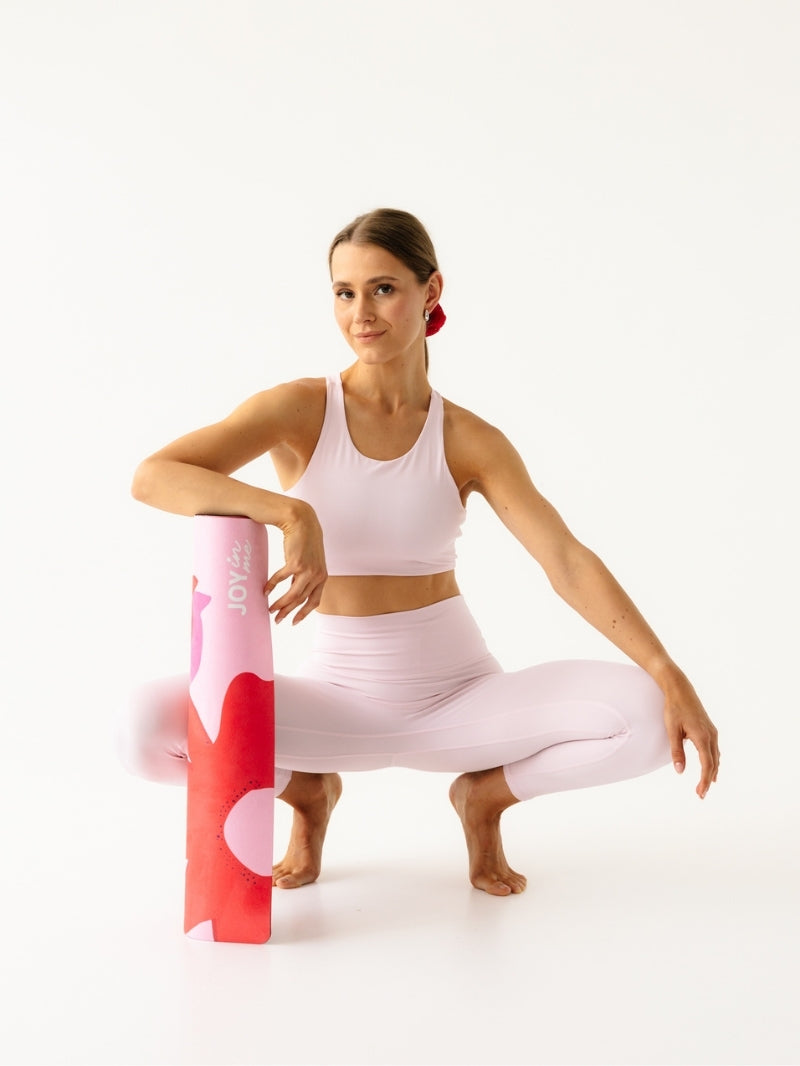
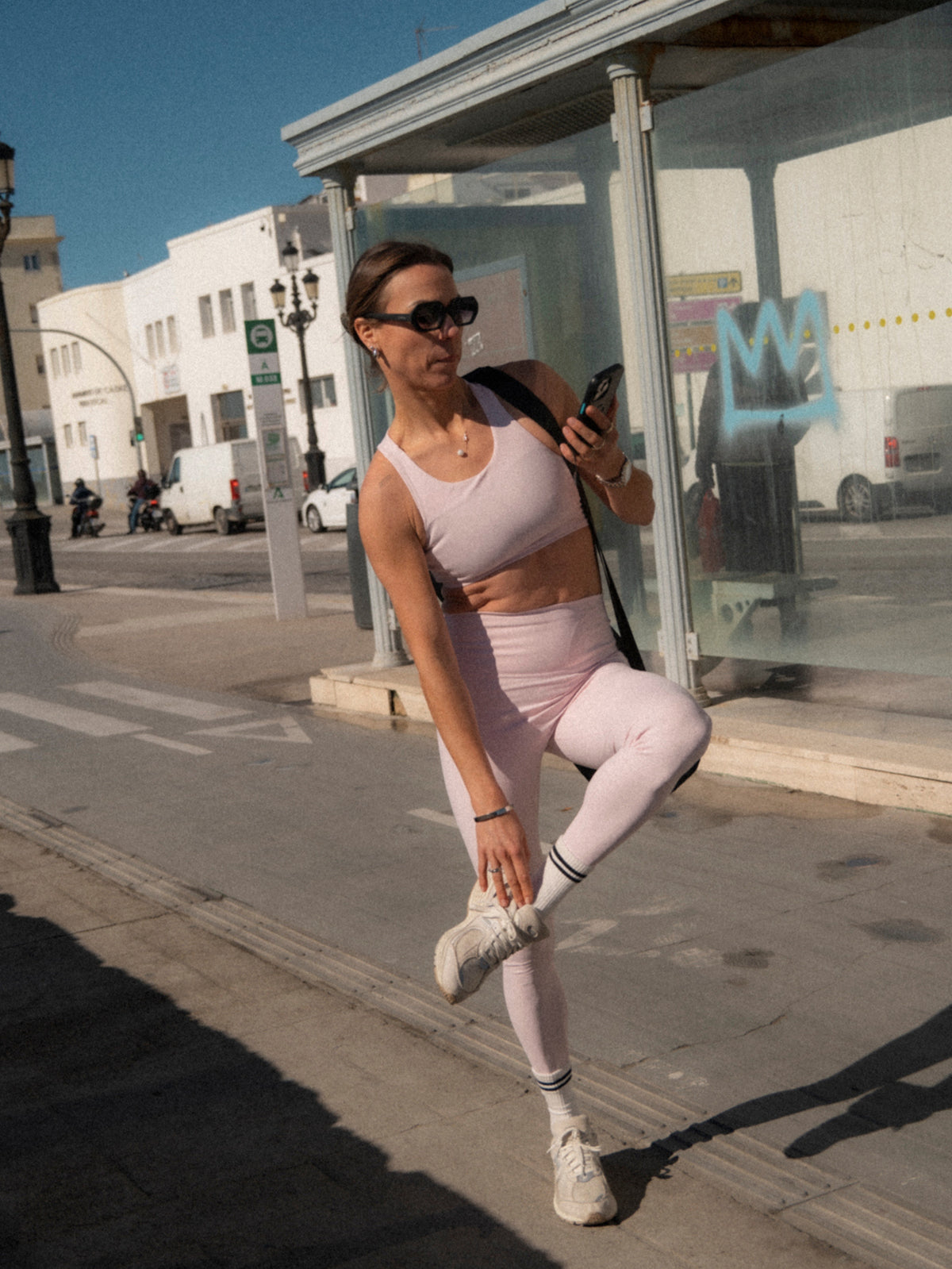
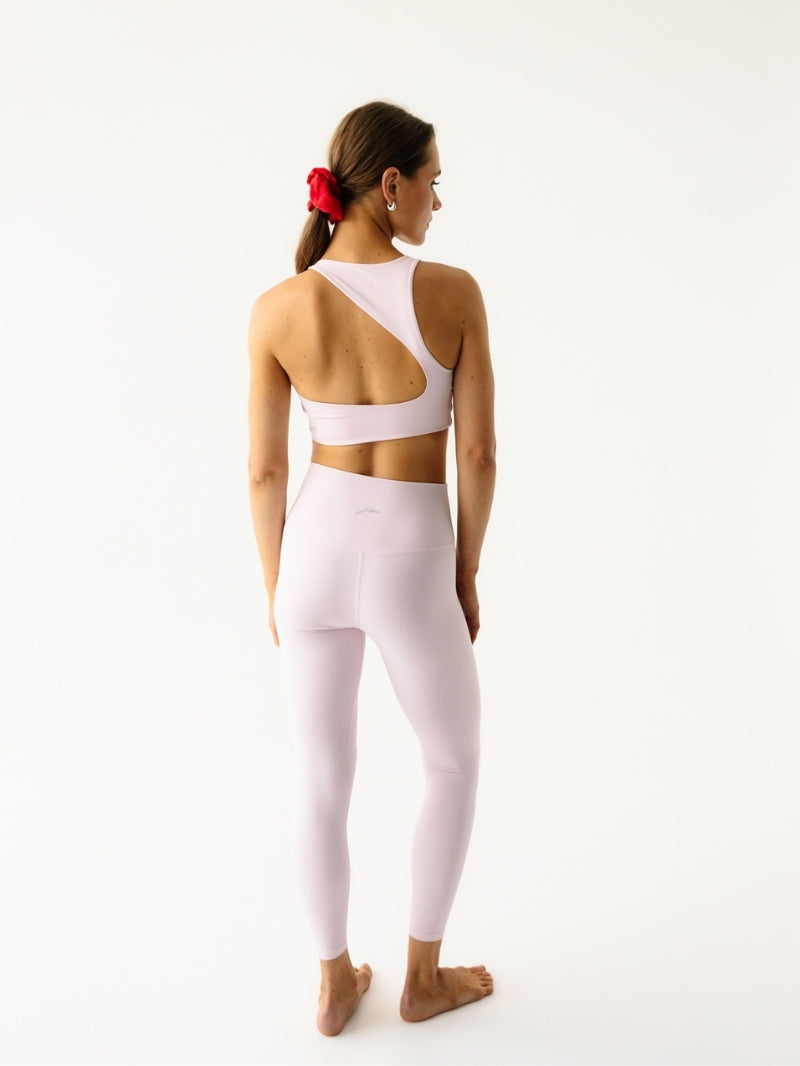
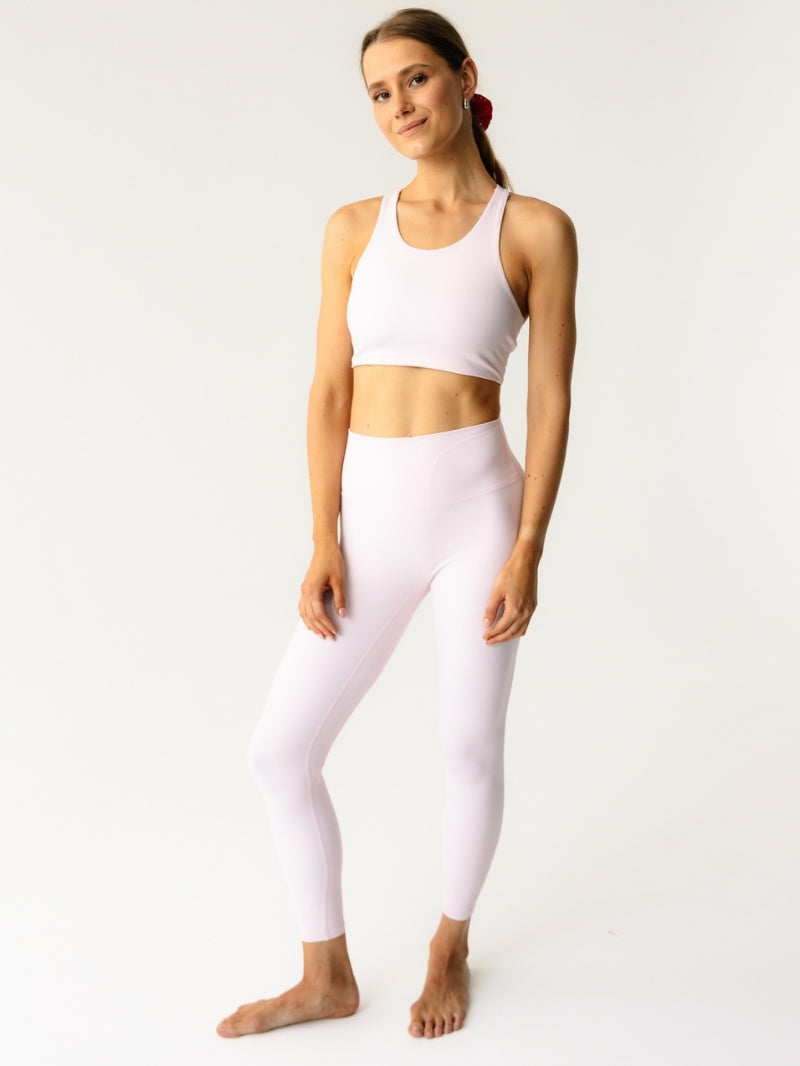
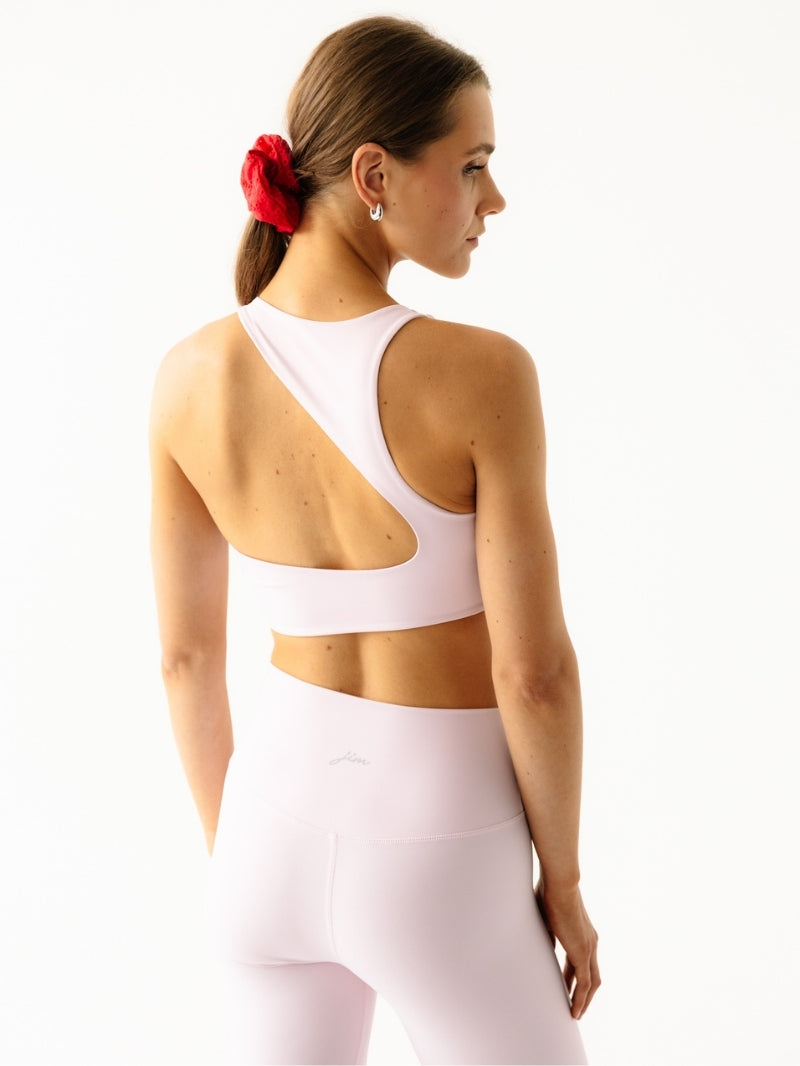
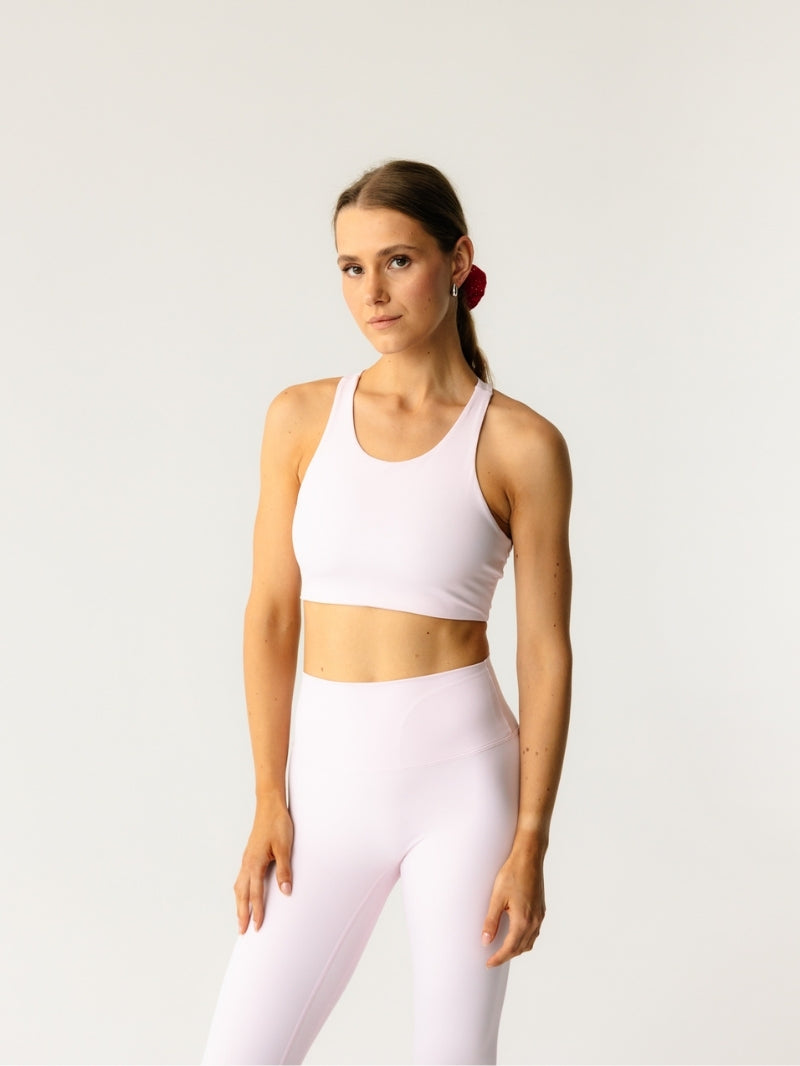
Increased resistance strengthens muscles more effectively, which translates into training efficiency. At the very beginning, a simple water bottle is also enough – this is a good method to see if exercises using accessories are comfortable for you before deciding to purchase specialized equipment. It is worth, however, starting your training in a pilates set properly fitted to your figure.




How to take care of abdominal muscle recovery after wall training?
After wall training – just like any other intense physical activity – muscle recovery is important, in this case primarily for the abs. It is worth taking care of not only proper stretching but also relaxation. The regeneration process can be supported by, among other things, rolling with a foam roller, which simultaneously improves circulation. A properly balanced diet enriched with a high protein content supports muscle repair. Hydration is also essential.
To avoid injury and discouragement from continuing training, which happens very often at the very beginning, remember to rest. The body needs time to recover – avoid intense training of the same area every day.
Stay alert to signs of pain and discomfort, giving your muscles enough time to regenerate. This is the only way to safely work on improving your physical fitness and physique.
Pilates for a flat stomach – results
Wall pilates for the abs also brings benefits for the entire body. In addition, it is a fantastic complement to other physical activities or sports disciplines. A slimmed figure is not the only advantage! What does pilates for the abs do? The effects will begin to appear thanks to a systematic approach and commitment.
Regular training:
- allows you to strengthen deep muscles,
- leads to increased body awareness and fitness,
- improves overall motor coordination,
- firms the skin,
- positively affects the spine and posture.


